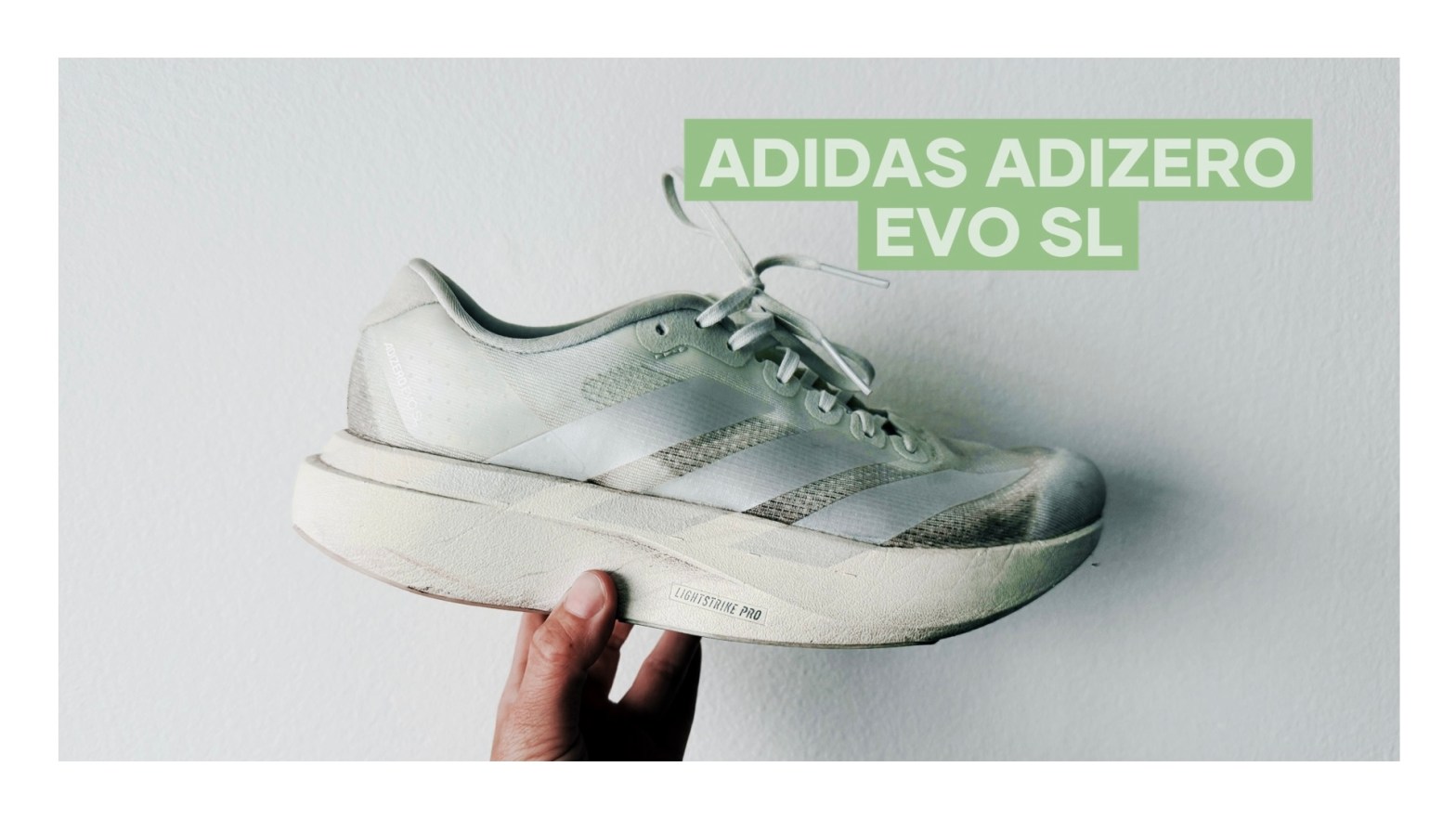
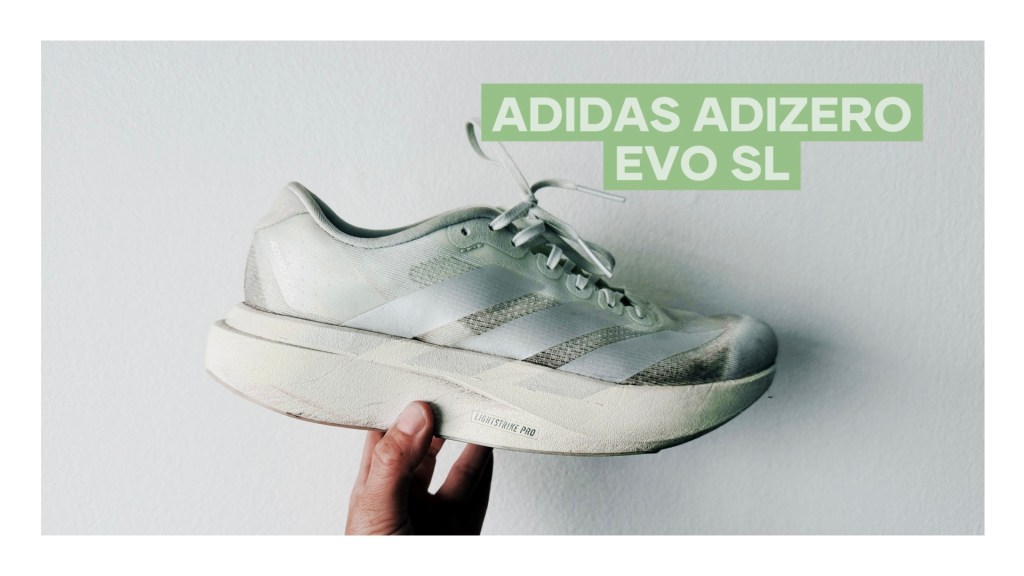
Adidas Adizero EVO SL
I have a long history with Adidas. Back when I first started writing about running, they supported me for several years. I had already been running long before that, but Adidas came into my life when I started writing about running. It was the time around Boost foam was first introduced. Also I still remember racing marathons in the Adizero Boston—those shoes were legendary at the time.
As life took me to different places, I lost touch with them. And honestly? I felt like Adidas also lost touch with running for a while. But now? I’m thrilled—they’re back, and they’re doing exciting things again on both the road and trail.
First Impressions After 100 Miles
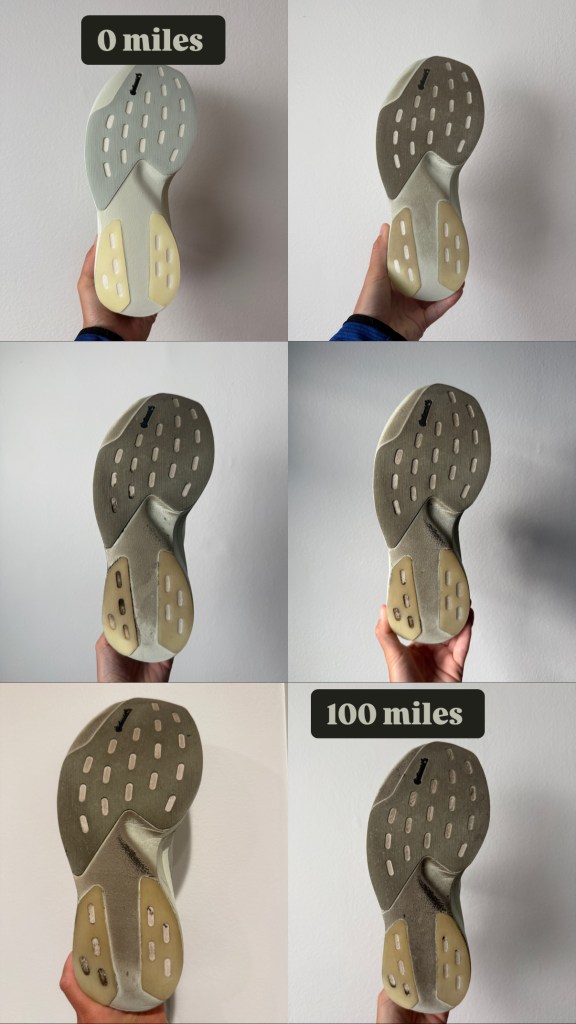
After 100 miles in them, here are my honest thoughts.
The moment I put them on, my first reaction was: this is a good running shoe. And I don’t say that casually. To me, shoes are either good or bad. If they’re good, they’ll work for most runners—and then it’s just about personal preferences and needs at the moment. Bad shoe rarely work for lot os people. For me when shoes are good most of the time it means I will have them in different colors for sure.
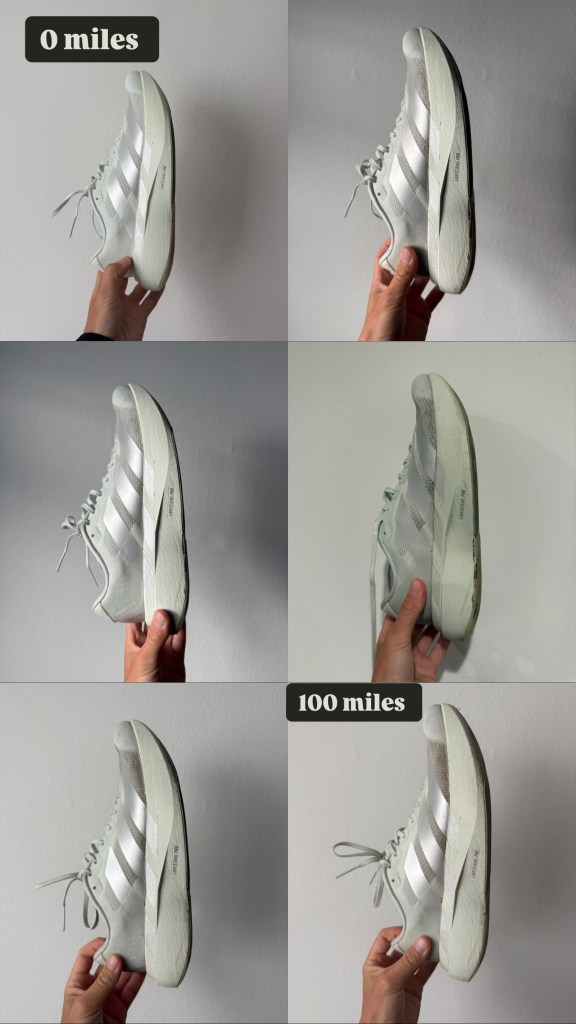
Why Are They Good?
Let’s start with the fit.
The heel is secure—even if you don’t lace them super tight, your foot stays in place. The forefoot is refreshingly wide. So many shoes these days feel too narrow up front, but this one gives your toes room to spread and breathe.
The lacing and upper feel comfortable across the top of the foot, and the collar height is just right—no digging into your ankle bones. So they are not deep or shallow, just the right size.

So the fit is more about how they hug your feet. Those shoes hug very gently, not tight but keep you safe.
The Midsole & Ride
The foam feels well-distributed and balanced, which means the shoe performs consistently whether you’re running flats, climbing hills, or running downhills. I’ve tested shoes that feel great uphill but sloppy on downhills—those shoes handles all of it.

The ride is lightweight and smooth. It’s slightly firm and not overly responsive—but that’s not a bad thing. I’ve been testing a lot of carbon-plated racers lately, which can skew your sense of what’s “normal.” For a daily trainer, a bit of firmness is actually a plus—it gives you control, lets you cruise easily, and still lets you pick up the pace when you want to. I feel like too much responsiveness from the foam not a good for every day running, as it puts too much pressure in achilles and calfs areas. So not soft , not very responsive shoes with solid amount of foam feels like the best choice for everyday running.
Comparison: Adizero EVO SL vs New Balance Rebel v4
A lot of runners—myself included—compare this shoe to the New Balance FuelCell Rebel v4. They look similar. I would even say they are belong in the same segment, even though New Balance positions the Rebel as a tempo shoe, while Adidas calls the Adizero EVO SL a daily trainer, they both can do different types of runs for sure.
Here’s the difference I feel:
Rebel v4: Softer, slightly less foam underfoot. Great for shorter to mid-distance runs.
Adizero EVO SL: Just as light and roomy, but with more foam and a firmer ride. Feels more stable and works well even for long runs.
Honestly, the EVO can be whatever you need it to be—everyday miles, tempos, and maybe even race day. It’s not a $250 supershoe, but at $150? It’s light, fast, and delivers great value. ( we will see for sure after 500 miles) They Look Good Too. And let’s be honest—looks matter.
Downsides?
Sizing: Could be tricky. I got them in 7.5 us and feel like they might be too short on downhills, but they are wide and that is why they feel just amazing on flats. I do have all my Nike in 8us and Rebels in 8.5us. I am going to order EVO in 8 us just to compare and see.
Durability: Too early to judge long-term durability. I’ll update after more mileage. But feel like it might be an issue for them.
More details
The Foams:
New Balance FuelCell Rebel v4: FuelCell Foam (PEBA/EVA Blend)
This is a mix of traditional EVA and high-performance PEBA, designed to give you a soft, energetic ride. You get flexibility, bounce, and lightness in one package.
Adidas Adizero SL: Lightstrike Pro
This shoe combines a full-length Lightstrike Profoam core (the same foam found in Adidas’ elite race shoes)
Lightstrike Pro is NOT EVA and NOT PEBA.
It’s Adidas’ superfoam. While Adidas hasn’t shared the exact formula, most experts believe it’s TPU-based or TPE-E-based, offering high energy return and low weight. It does feel very familiar with PEBA, but not as soft. So we do not for sure what is that, we know for sure:
Lightstrike Pro ≠ EVA – It’s much softer and bouncier than standard EVA.
Lightstrike Pro ≠ PEBA– Similar in performance, but probably based on a different compound (more like Saucony’s PWRRUNPB or Puma’s Nitro).
Side-by-Side Running Shoe Comparison
Feature:
New Balance FuelCell Rebel v4
Adidas Adizero SL
Weight:
7.5 oz / 212 g
7.9 oz / 224 g
Heel Stack Height:
34 mm
39 mm
Forefoot Stack Height:
28 mm
33 mm
Heel-to-Toe Drop:
6 mm
6 mm
Plate/Shank:
None
Nylon shank
Price:
$139.99
$150.00
In general I feel like Adidas made really great shoes for very good price. I need to see how durable they are before telling that it is one of the best shoes, but they are very close.

