
Winter running.
For many people, the idea of running outside during winter is intimidating—and that’s completely understandable. The days are short, it’s always dark, and it’s cold. For me, the hardest parts of winter running have always been the darkness and the road conditions. Let me tell you my story.
I started running in 2001, most likely during the summer, and, as is typical in Russia, deep winter arrived by early October. At that time, I had no information sources about running—no friends who ran, no running magazines, nothing. Running quickly became my passion, and I couldn’t imagine stopping for winter. Why would I? Just to give some context, treadmills didn’t exist in my life back then. So I continued running, despite the conditions.
My mom was terribly worried about me running alone in the dark, but no one could stop me. I didn’t have proper running clothes, but alpine skiing and snowboarding were becoming popular in Russia, as was cross-country skiing. So, I layered up in snowboard clothes, put on some weird shoes from Decathlon, and hit the road. Since then, I’ve never stopped running.
Back then, Decathlon was one of the few stores I knew, and brands like Puma were far too expensive. It wasn’t until 2010, when Nike came into my life, that I even learned what technical running clothes were. Recently, I joked with a friend: Can you imagine having all these amazing Gore-Tex clothes back then? It would’ve been incredible. But I survived for years without them.
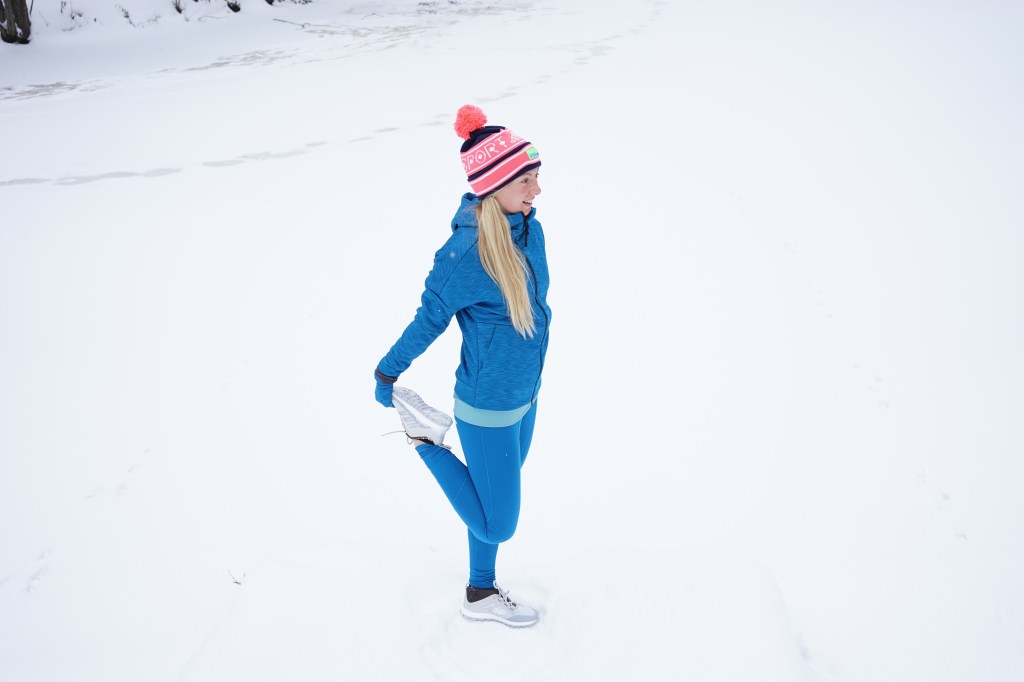
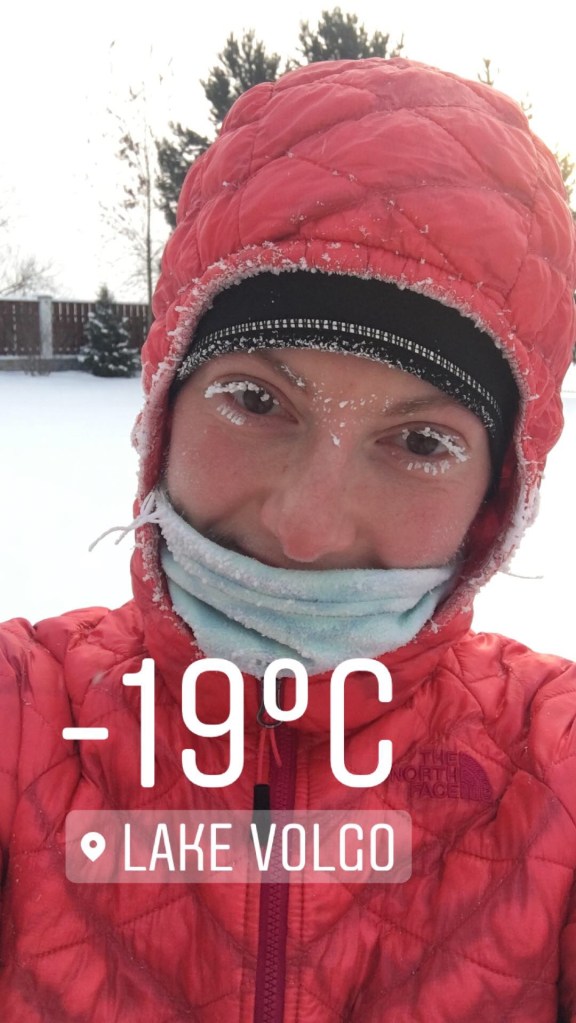
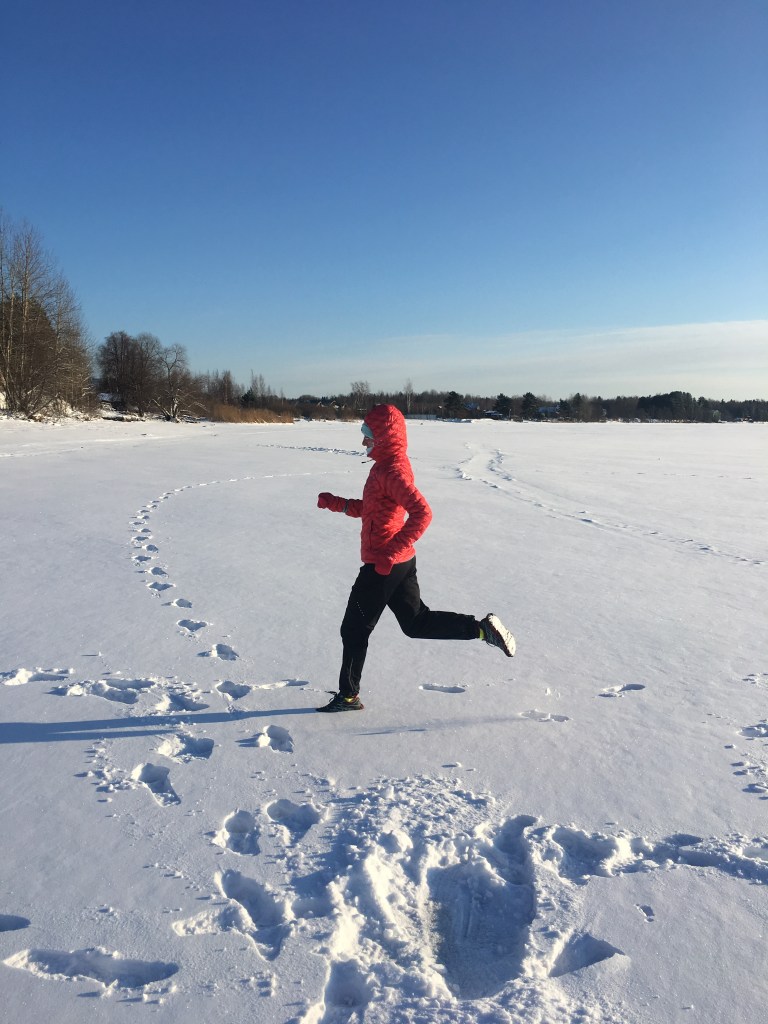
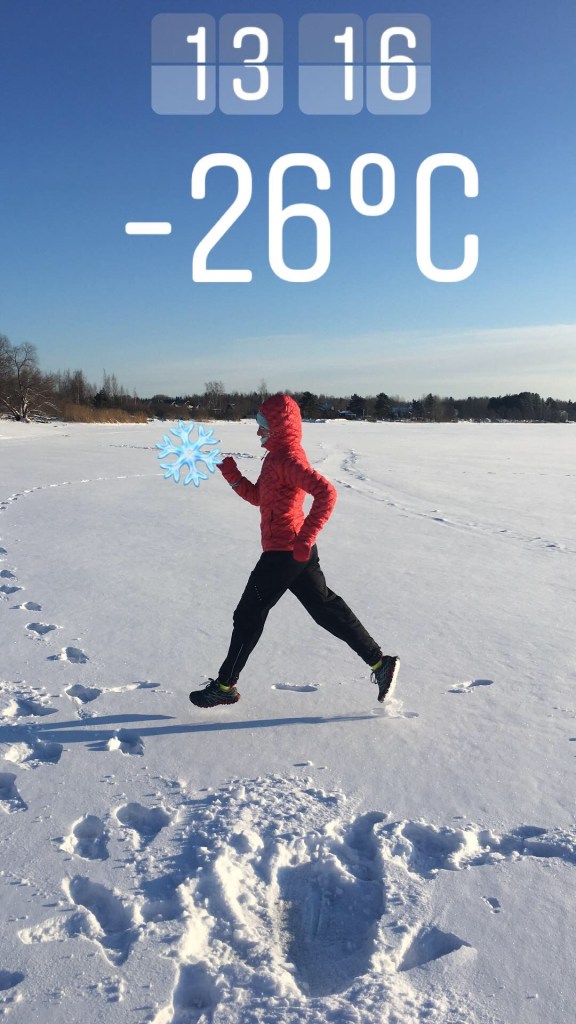
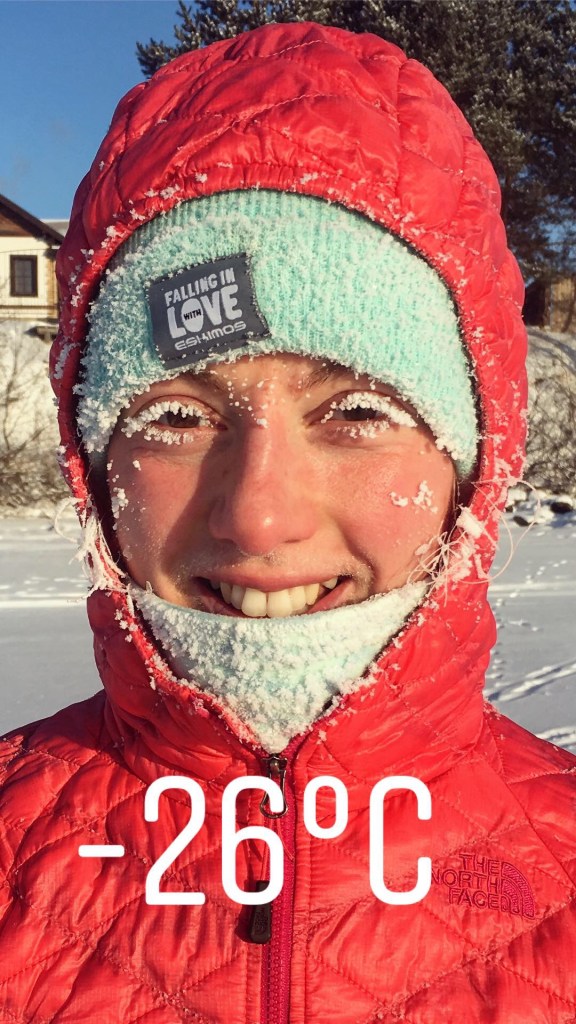
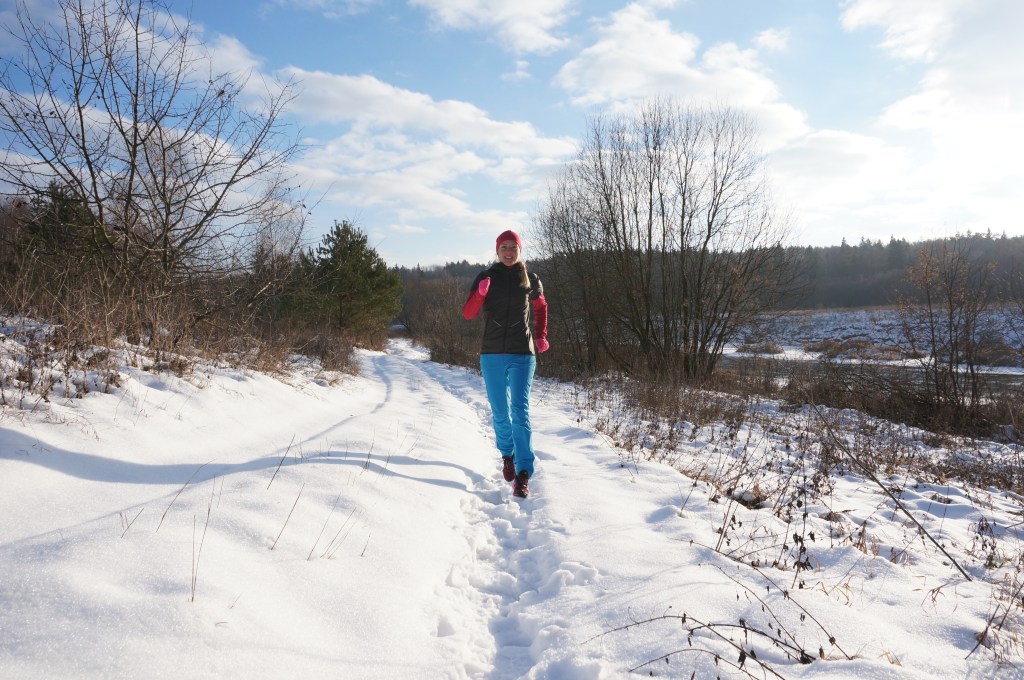
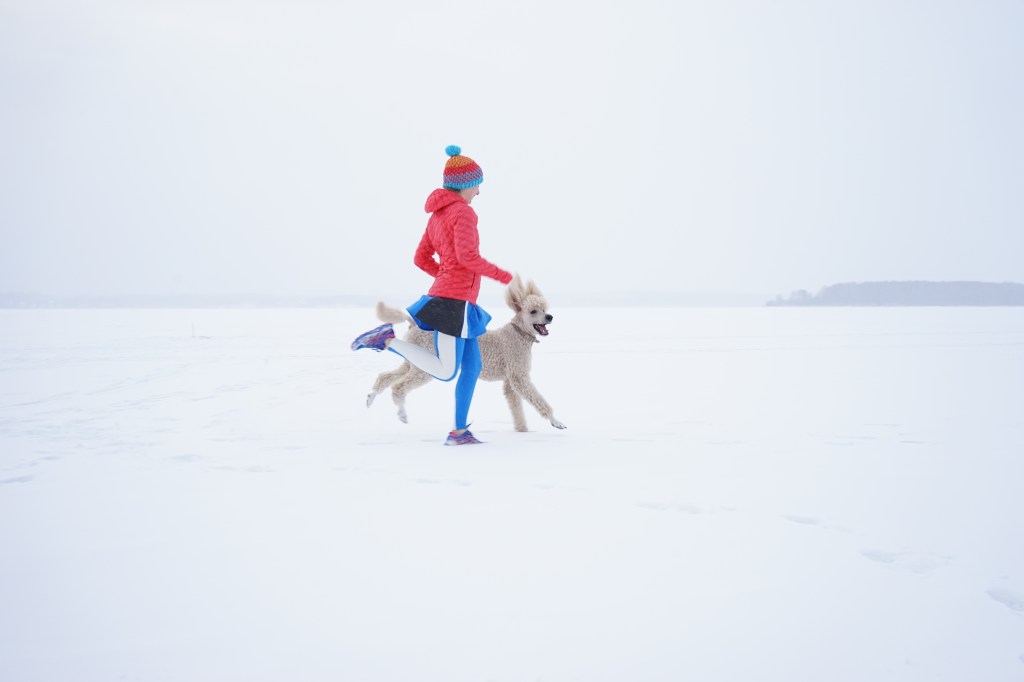
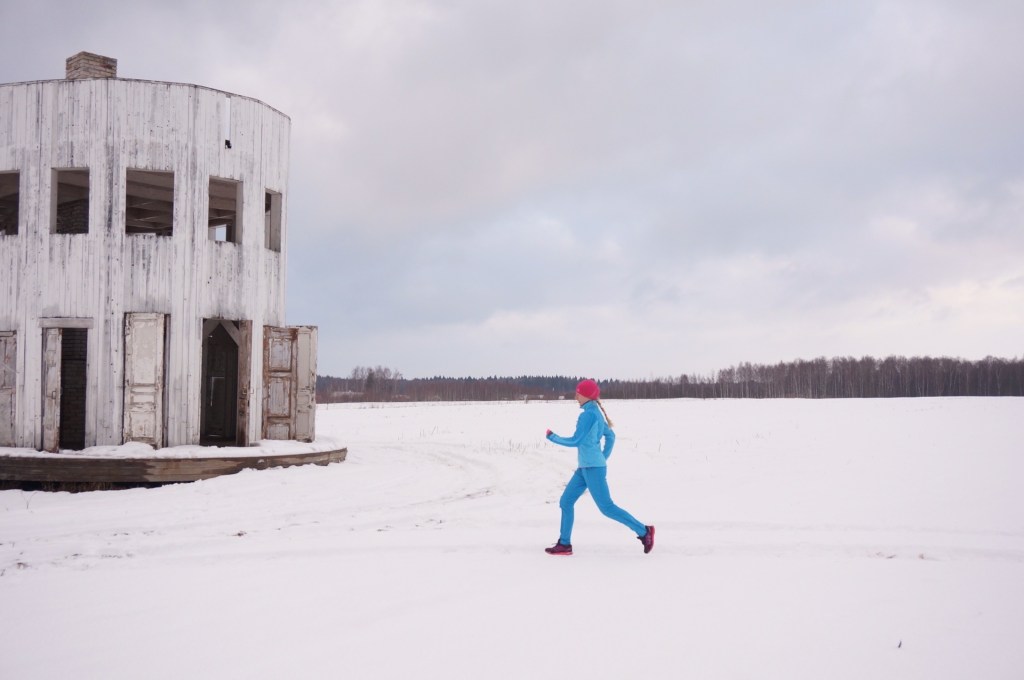
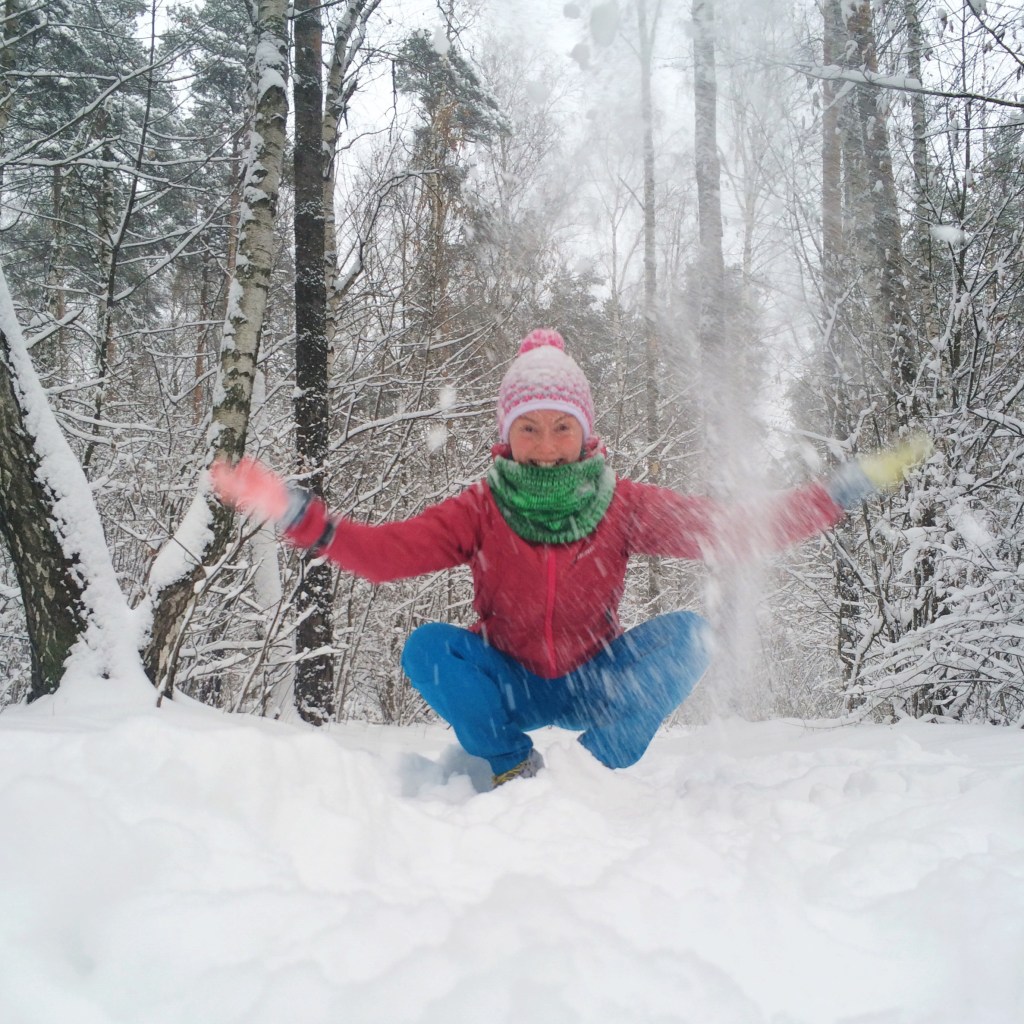
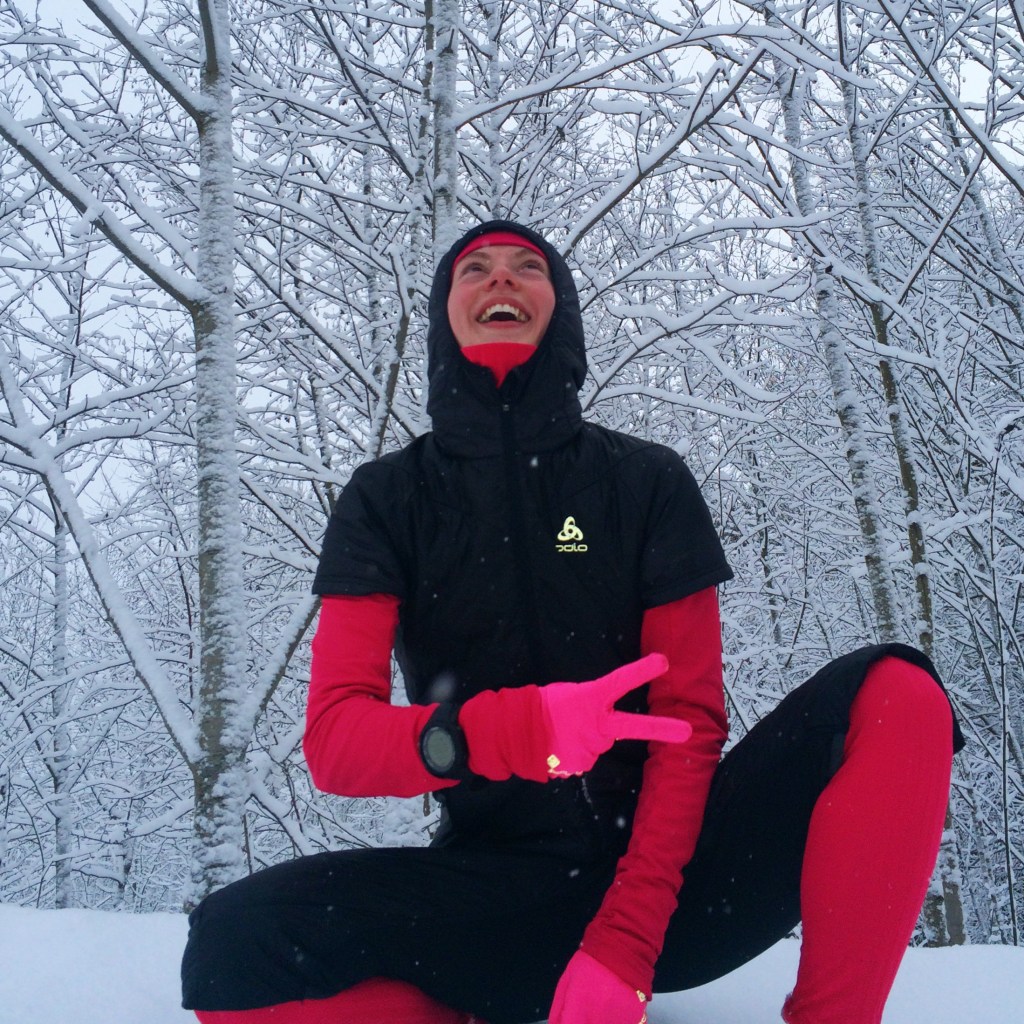
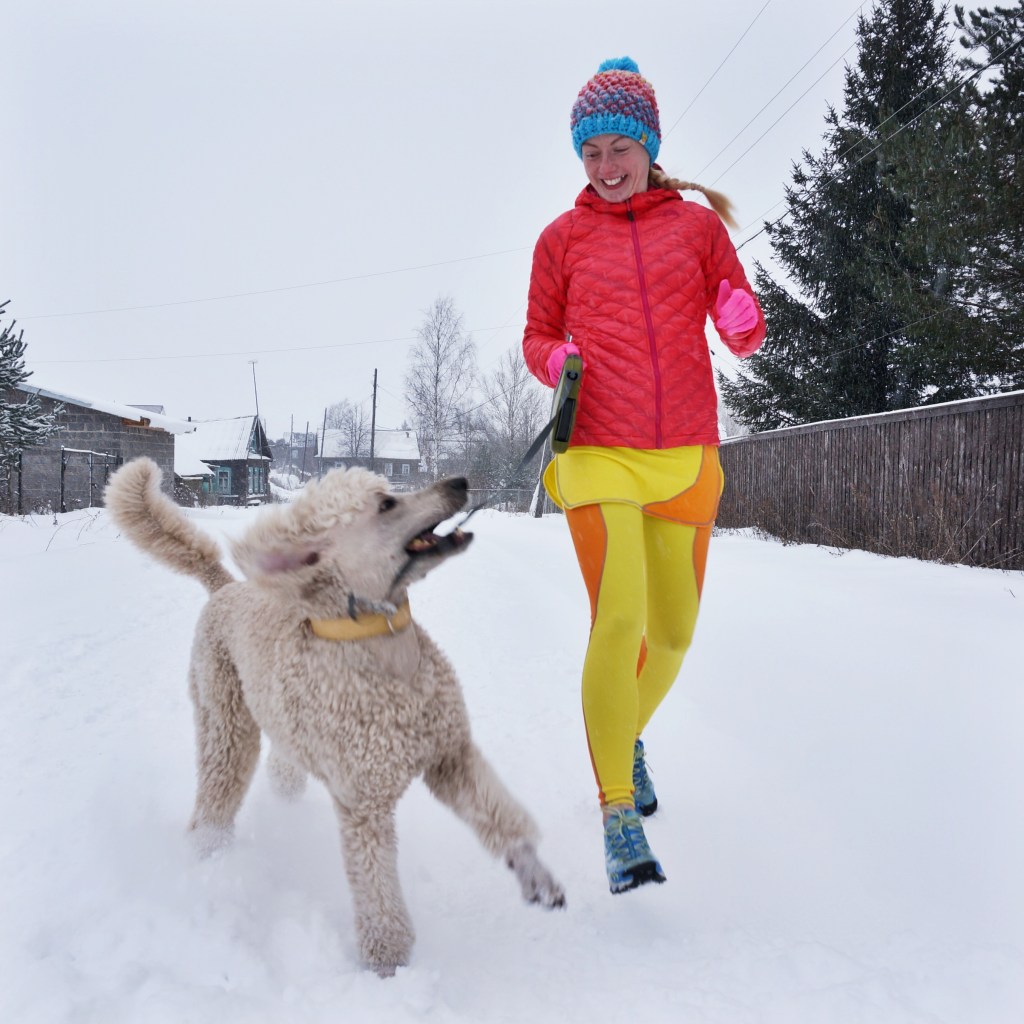
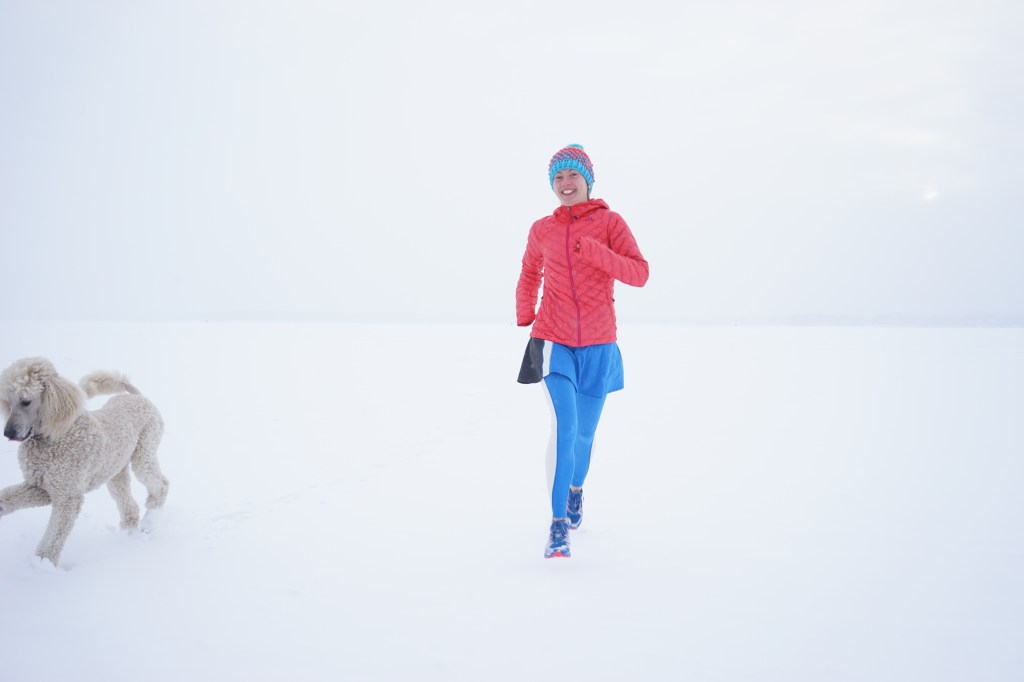
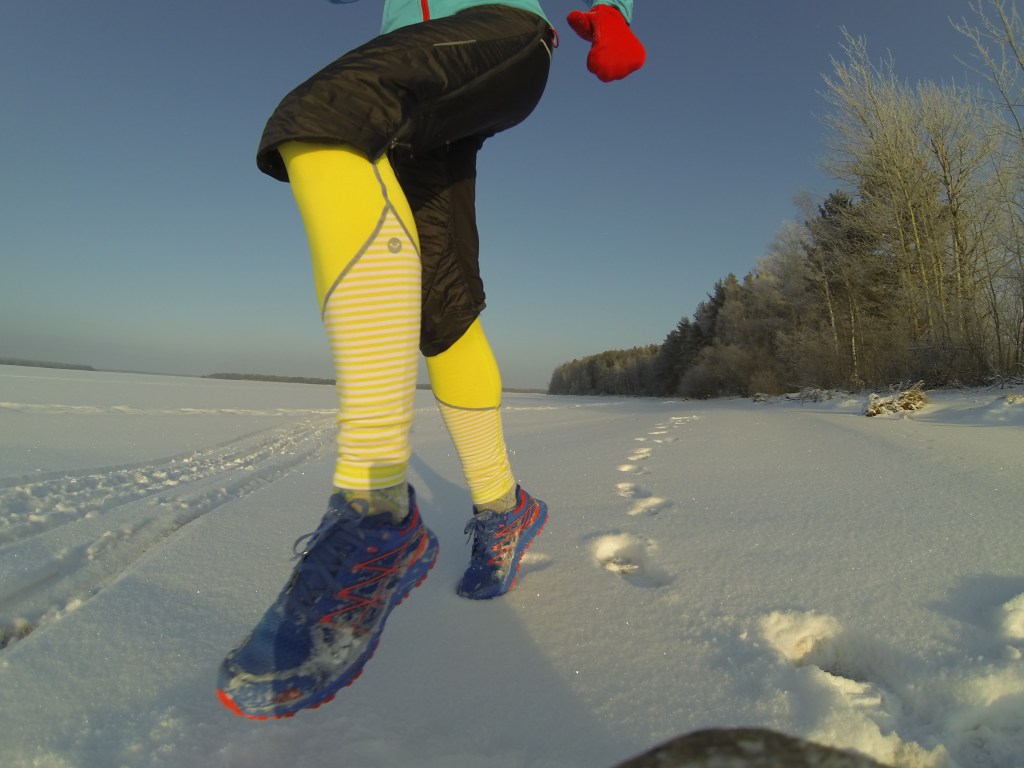
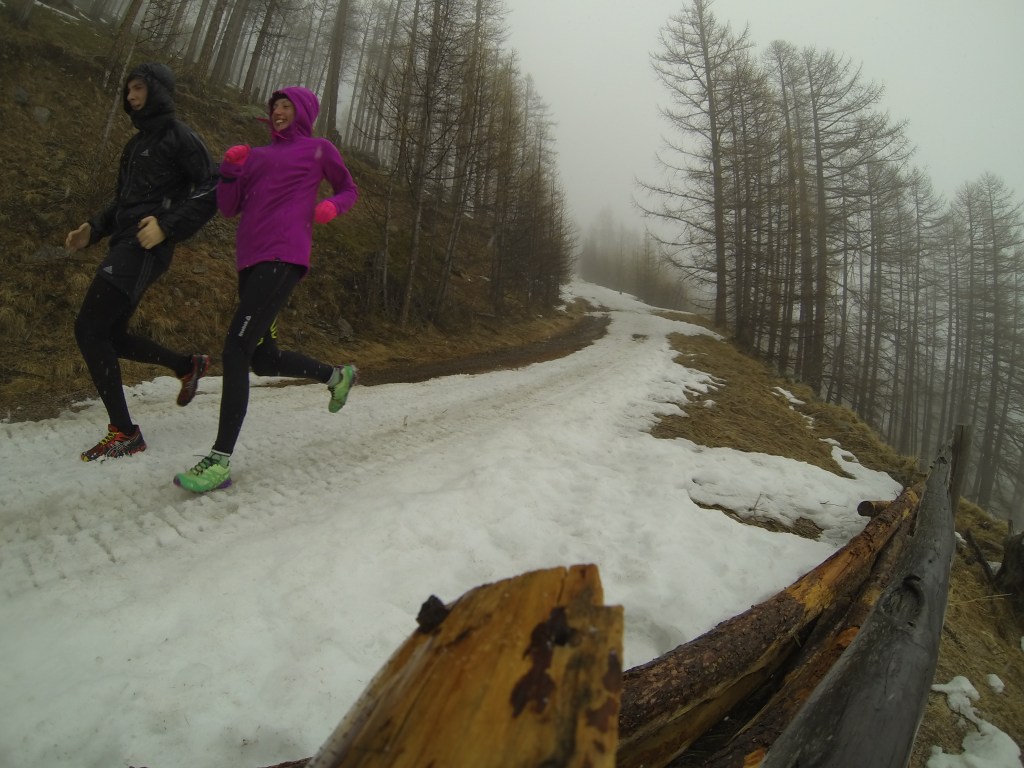
Some old pictures from winter runs over the years










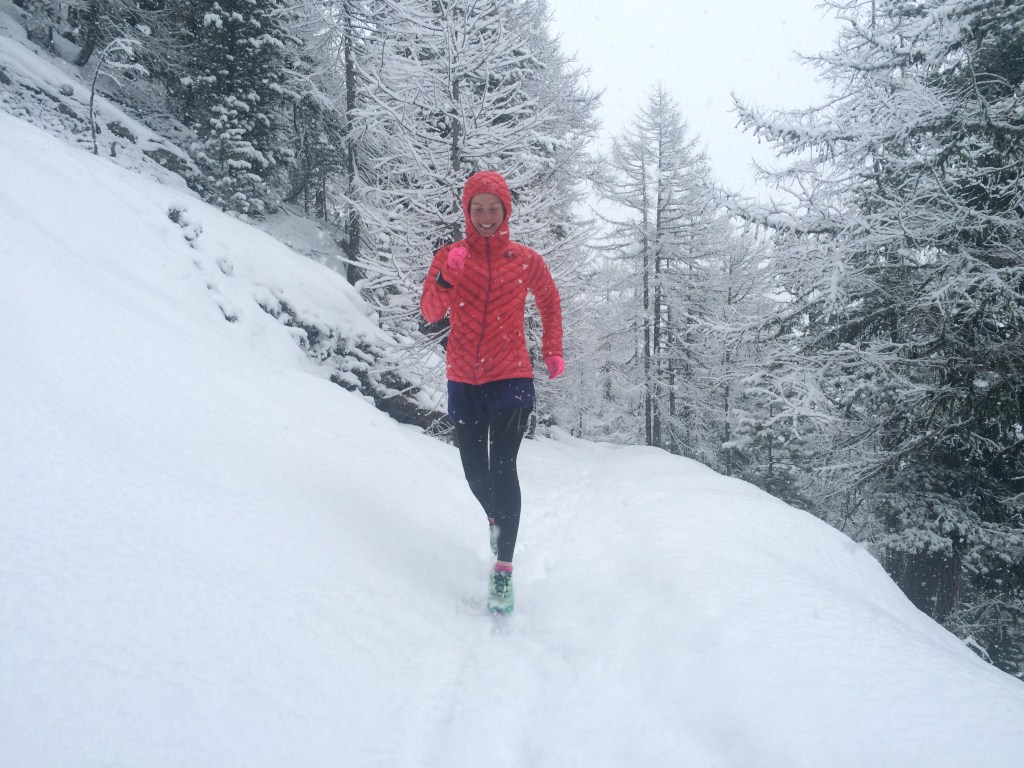


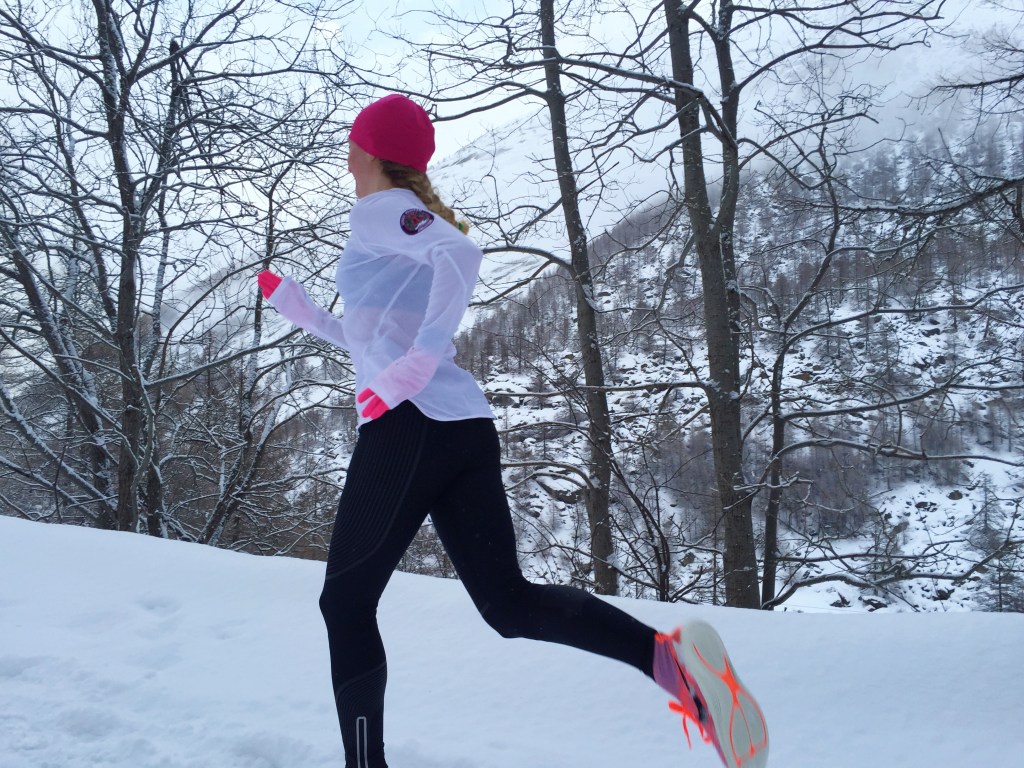
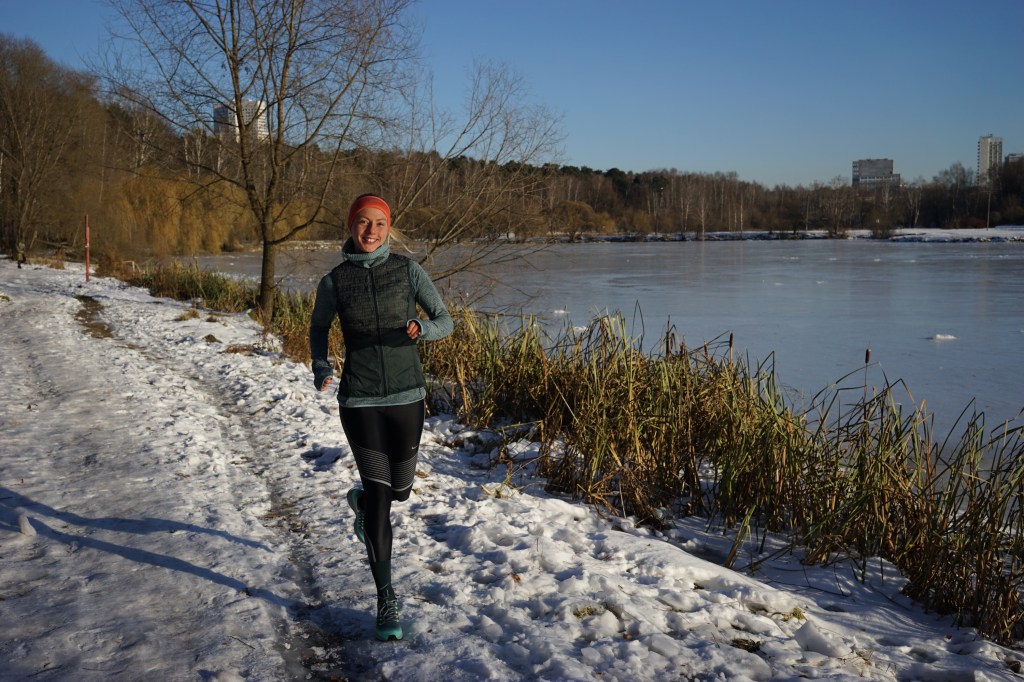
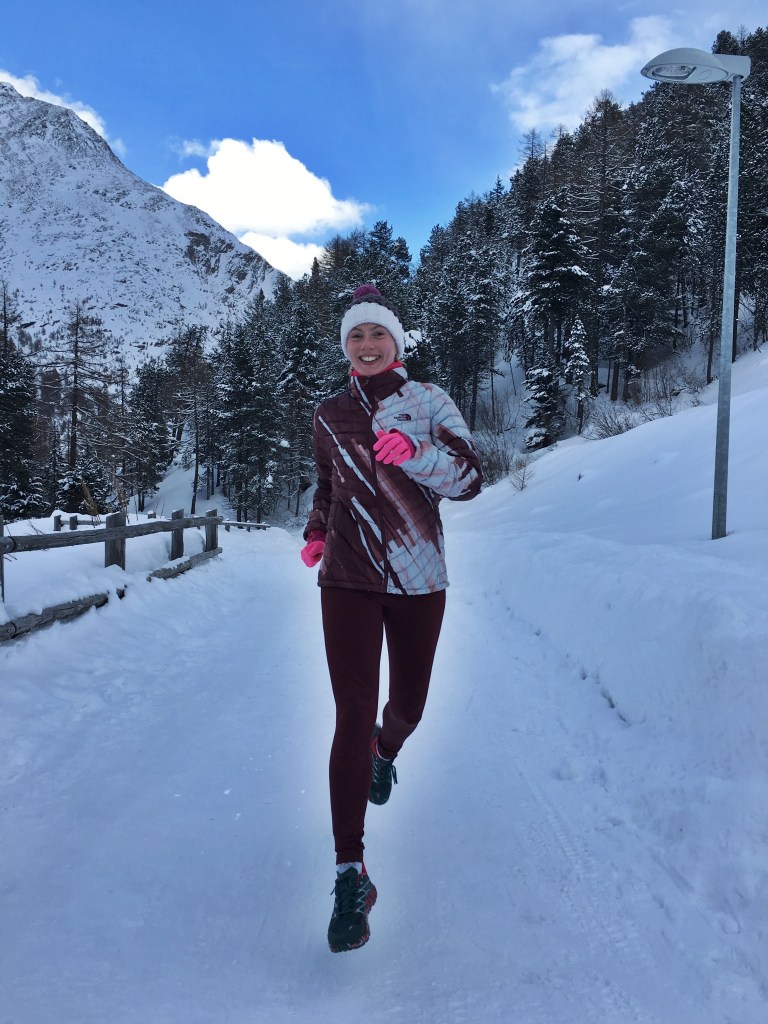
Road Conditions and Winter Running
For many years, road conditions bothered me the most during winter runs. Even in a big city, snow and ice were constant challenges, and you needed to be extremely cautious. Over time, I developed my own system. I knew that at certain points in the park or on specific roads, I’d be able to run safely. My advice: explore your area and find different types of terrain you can run on. For example:
- Fresh Snow: Trails in the forest might be ideal.
- Spring Melt: Roads may be better as snow begins to clear.
Winter running became a routine for me, and with time, it felt normal. By 2012, I had proper running clothes and better shoes. Now, it’s a completely different era—winter running clothes are amazing. They’re light, technical, and effective.
Why Everyone Should Try Winter Running
I know buying winter running gear can feel overwhelming. Many people prefer to stick to running indoors, and that’s a good option. But I believe that at least once a week, going outside and experiencing winter running is one of the greatest gifts of all. Don’t be afraid—my winter running layering guide is simple, and you’ll see that you don’t need a lot of clothes, just the right layers for your weather conditions.
We all live in different winter climates, so it’s important to experiment and find what works best for you. I’ve made so many mistakes—dressing too cold, too hot, and so on. But eventually, it became easy to dress for winter running.

Let’s Start from the Beginning: Layering for Winter Running
1. Base Layer
I prefer merino wool as a base layer because it works year-round and is perfect for colder conditions. My favorite merino layers include:
- Tracksmith Brighton (link)
- Satisfy Merino (super light, but not very durable for the price link )
- Uniqlo Thermal with Cashmere ( link)—affordable and surprisingly effective.
- Polartec Grid Base Layers from MAAP (link) or Rapha (link), which are technically for cycling but work wonderfully for running, keep your body really warm, I use it fro really cold conditions.
These materials are warm and retain heat even when wet.
2. Second type of base layers or Mid-Layer
This is usually made from technical materials, like the Arc’teryx Team Thermal Hoodie (link) or Bandit BRUSHED STAMINA™ WOMEN’S COLD WEATHER QUARTER ZIP (link). It can be worn on its own in late fall or layered over a merino base for colder conditions.
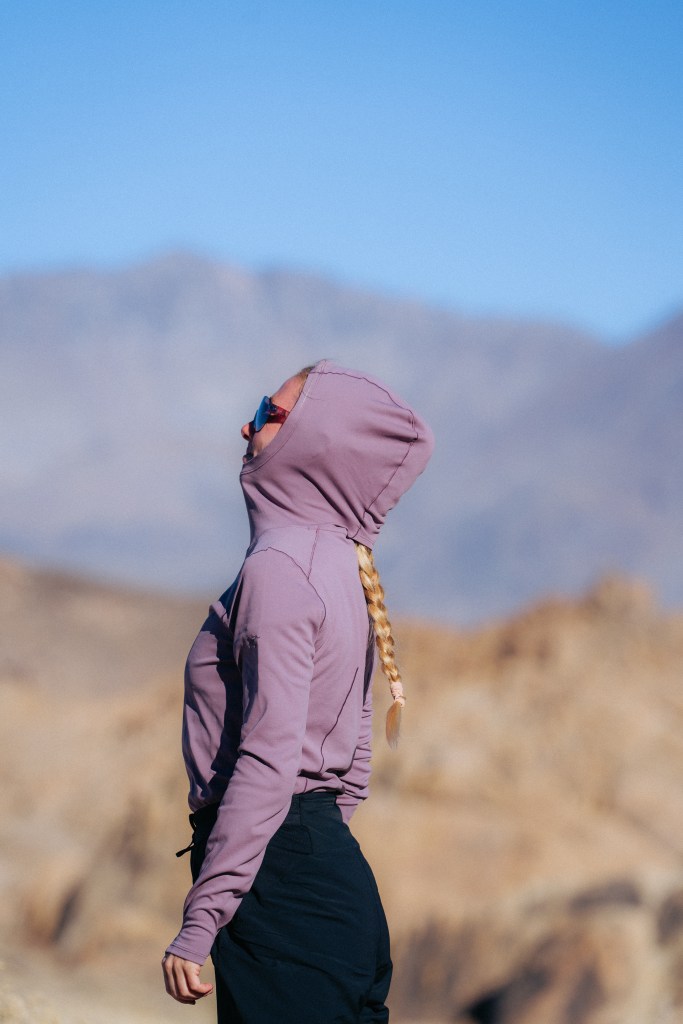
3. Fleece Layer
I prefer technical fleece for winter running. It can be worn year-round and layered as needed:
- On top of the base layer
- As a standalone layer
- Over a mid-layer for extra warmth
My favorite fleece layers are also made from Polartec. Like Satisfy GhostFleece™ Half‑Zip (link) or Polartec Alpha Fleece, can be found from Nike, Satisfy, or independent brands like SenchiDesigns (link)
4. Insulation Layer
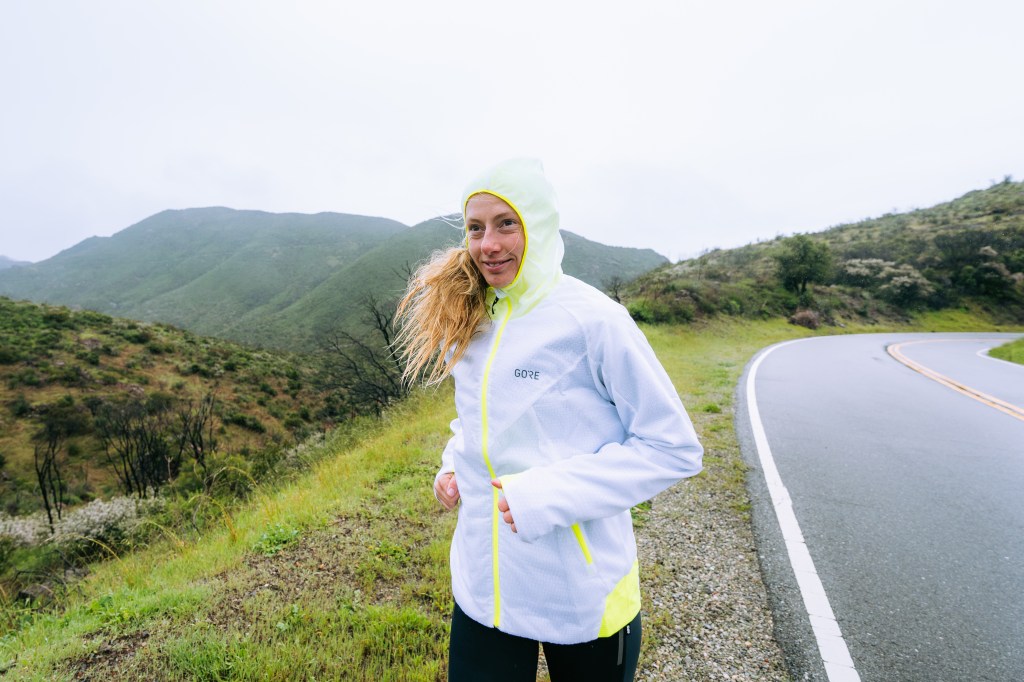
This layer can be a vest or jacket. I use vests fro more warmer conditions or like extra layers.
I prefer jackets with Polartec Alpha fleece, which are super light yet warm. Some favorites include:
- GOREWEAR R5 GORE-TEX INFINIUM™ Insulated Jacket: Super lightweight protection from wind and cold with breathable, quick-drying Polartec Alpha insulation.
- ON Running Men’s Trek Insulated Jacket: A versatile midlayer for outdoor adventures, offering warmth and breathability.
- Peak Performance Vislight Polartec Alpha Insulated Jacket: Ultralight insulation with Polartec Alpha Direct for breathable, stretchy warmth.
- Diadora Polartec Alpha Jacket: Lightweight warmth and breathability for running in winter conditions.
5. Shell Layer

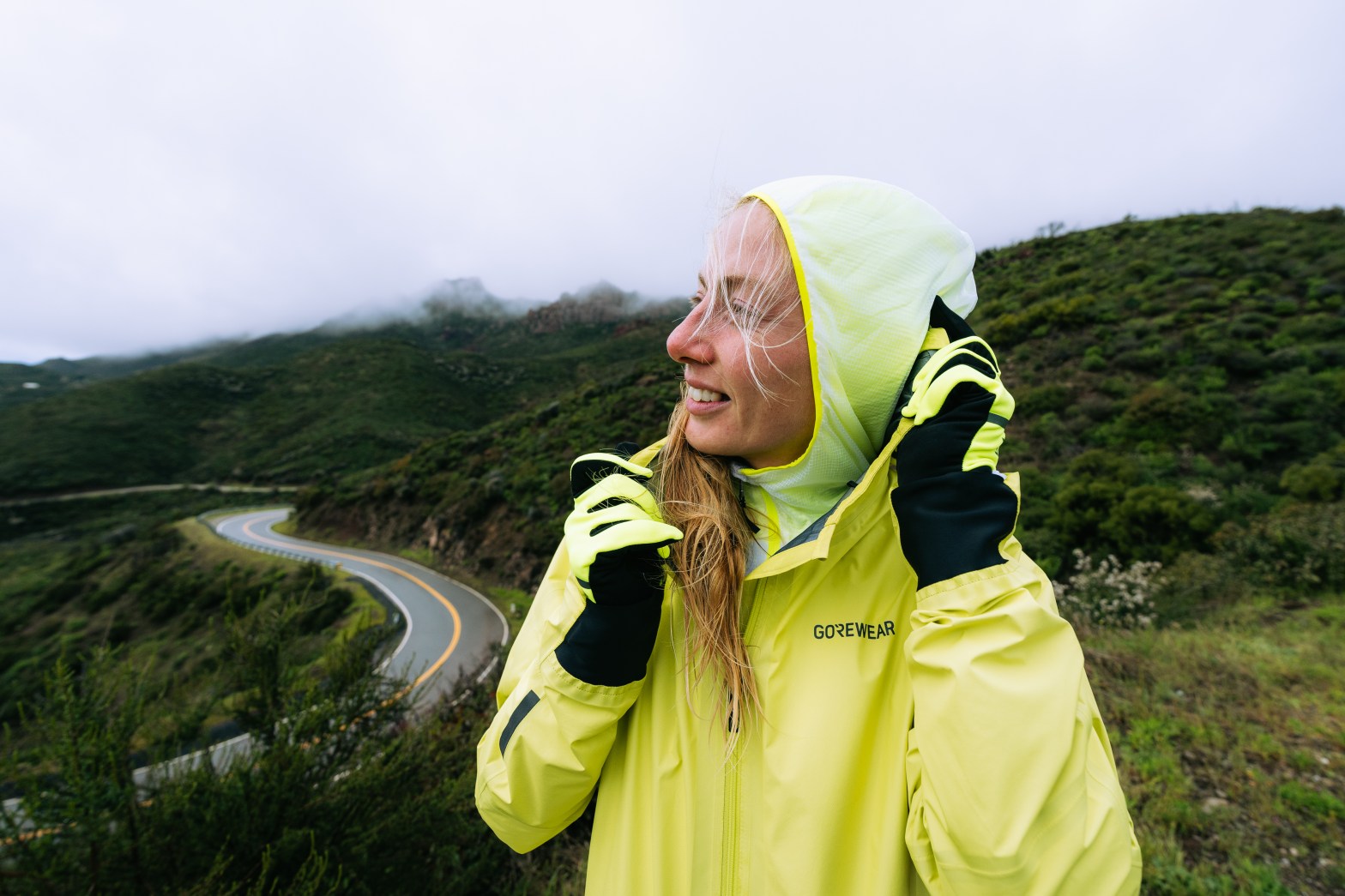
A waterproof and windproof shell is essential, depending on the weather. These jackets are versatile and can be used year-round. The GOREWEAR CONCURVE GORE-TEX Jacket is one of the best shells on the market. It is lightweight and warm, featuring a low-profile, streamlined fit and innovative body mapping for second skin-like freedom of movement without excess bulk. This jacket utilizes GORE-TEX ePE fabric, offering unmatched protection from the elements.
Bottom Layers
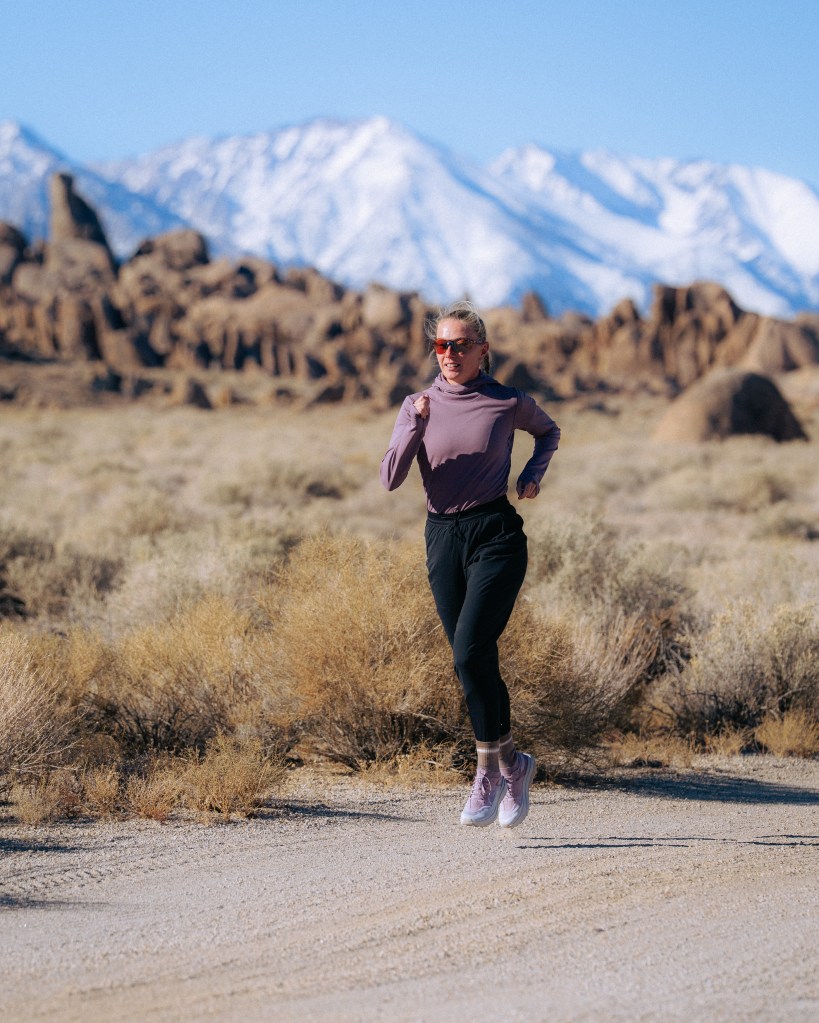
The same layering principles apply:
- Base Layer:
- Thermal or merino pants: These are great for retaining heat even when wet.
- Winter tights, like the Bandit Brushed Stamina Winter Tights, work well as standalone or base layers. Plus you can use pockets even wearing pant on them. That is why sometimes I use shorts with side pockets as base layer for medium cold conditions as I can use their pockets.
- Insulation Layer: Winter pants, such as:
- Arc’teryx Norvan Insulated Pants: Lightweight insulation and wind resistance for cold-weather running.
- ON Running Weather Pants: Designed to protect against wind and rain while maintaining breathability.
- Saucony Women’s Core Boston Pants: Comfortable and moisture-wicking, ideal for cooler temperatures.
- Shell Layer:
- My favorite is the GOREWEAR R5 GORE-TEX INFINIUM™ Pants: Windproof, water-resistant, and breathable for harsh weather conditions. Pocket is the best for winter running. I think it is only one pants with pocket where you are actually can keep your phone while running.
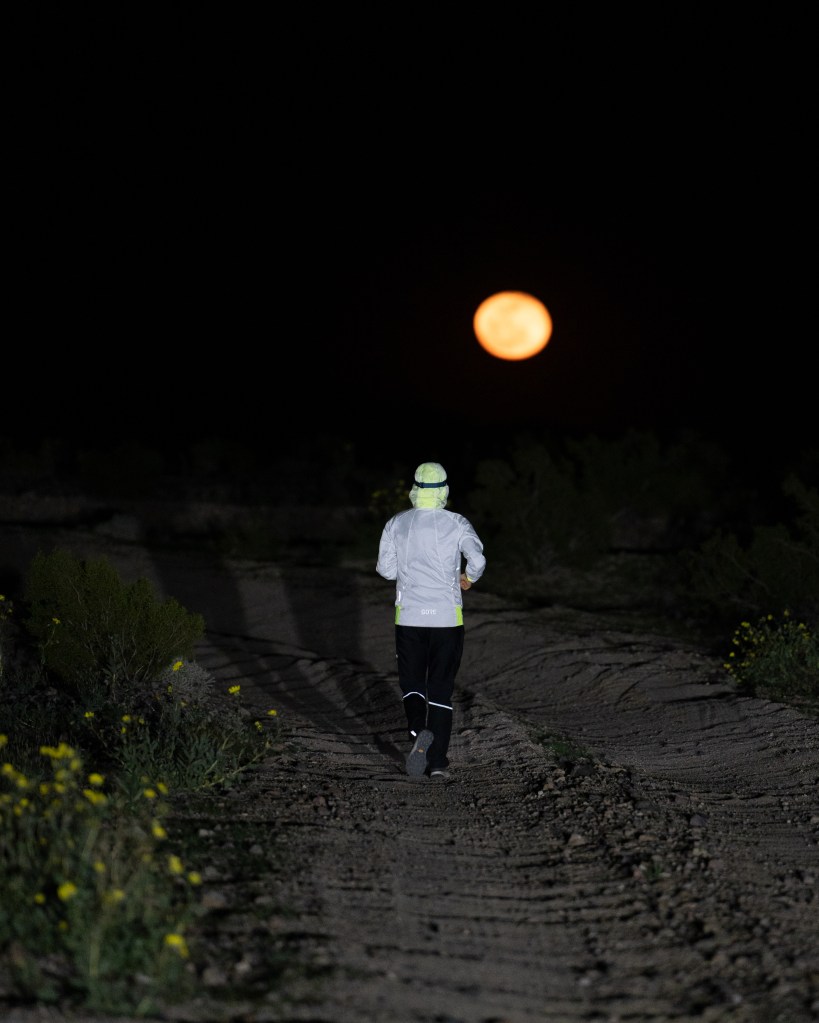
Detailes
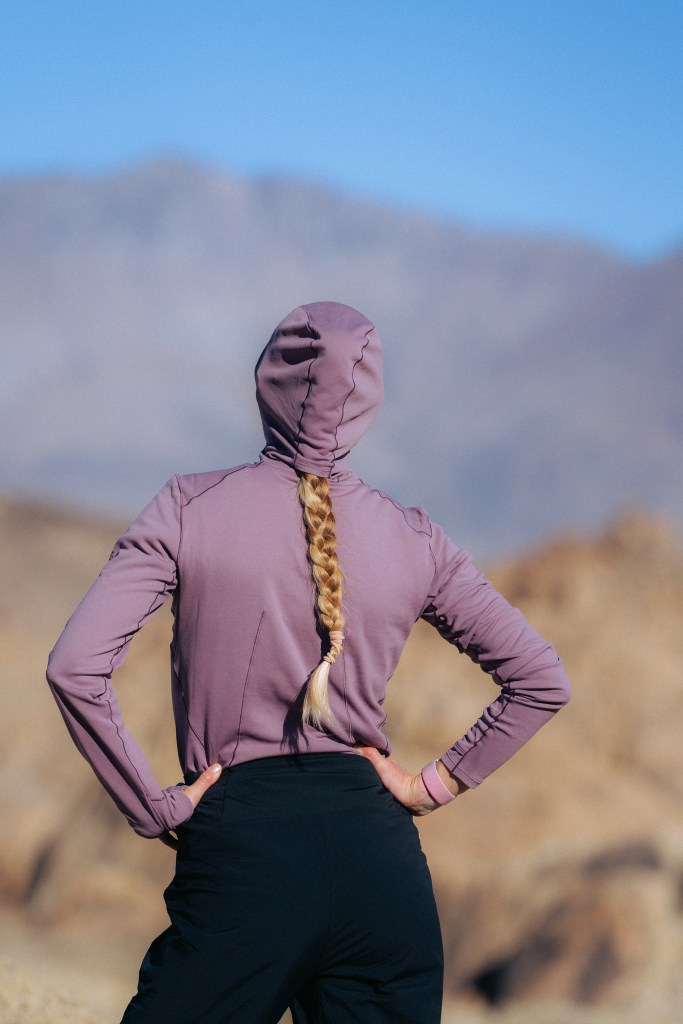
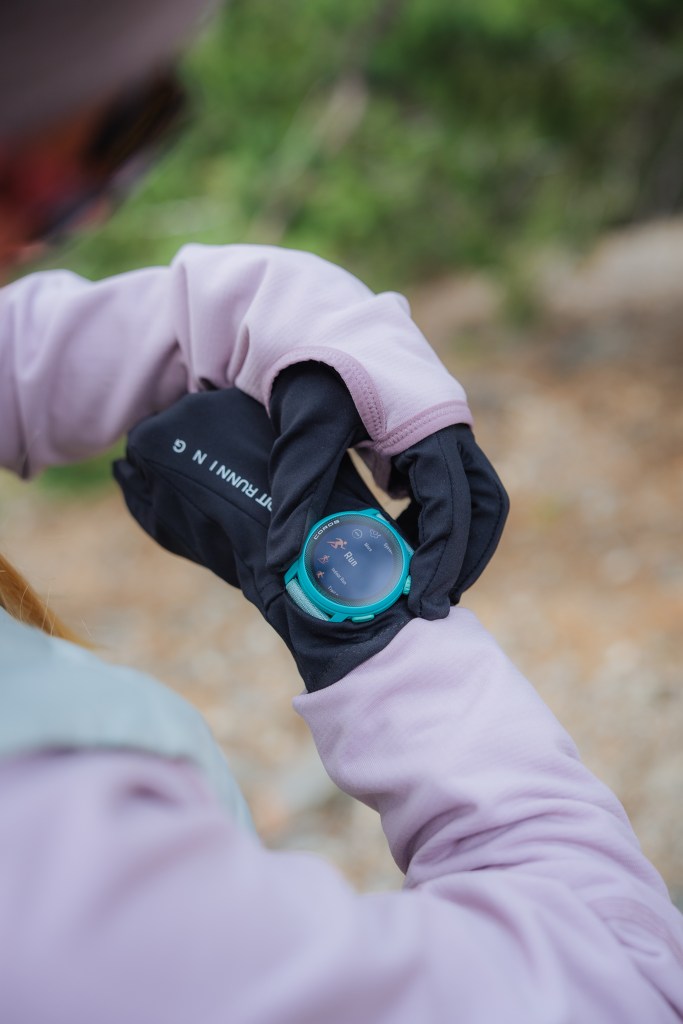
When selecting winter running gear, attention to detail can significantly enhance your comfort and performance. Features like watch windows in gloves or ponytail openings in hoods are small but impactful considerations.
For instance, the Bandit SoftSpeed™️ Gloves are designed with a watch window, allowing you to check your watch without exposing your skin to the cold.
Why Technical Fleece?
You’ll get wet regardless of your layers, but technical fleece does a better job of keeping you warm while minimizing moisture buildup. For example, I once tried Uniqlo fleece, and it trapped sweat like a plastic bag—not ideal for running. Like I said the main job is keeping body warm no matter what.
Why Polartec Alpha Fleece Jackets?
They’re incredibly light and warm, and you can easily carry one mid-run. I’ve tested GOREWEAR Alpha Fleece Jackets for nine months, and they’re the best on the market.
The Underwear Problem
For deep winters, I recommend merino underwear from Icebreaker or Tracksmith. Merino wool retains heat even when wet, making it ideal for cold-weather activities.
For women, many sports bras lack the technical features necessary for winter, potentially trapping sweat and reducing the effectiveness of your other layers. I recently tried a Polartec® Power Stretch® Pro™ bra from Ragged Mountain, which offers excellent breathability and moisture-wicking properties. I hope this type of gear becomes more common.
Important Considerations
- Longer Runs: The longer you run, the more critical your clothing becomes. For a short 5K, it might not matter as much, but for a 10K in -30°C (-22°F), your gear is crucial. Longer runs mean more sweat, which can lead to losing heat. Technical and functional layers will help keep you warm and dry.
- Travel-Friendly Gear: Technical clothes are lighter, dry faster, and take up less space in your bag—perfect for travel.
The Essentials
To sum up, you need:
- A Base Layer
- A Fleece Layer
- An Insulation Layer
- A Shell Layer
Invest in technical clothing—it’s lighter, more functional, and worth it for the comfort and performance.
This guide is based on years of trial and error, and I hope it helps you enjoy the magic of winter running. Don’t be afraid to start—it’s one of the most rewarding experiences!
Anya
 Live an Active Lifestyle