
Pictures by https://www.vspictures.com
Last Time I Tried Brooks
The last time I had Brooks running shoes was in 2018. Back then, they were significantly heavier compared to similar shoes from other brands and just didn’t seem worth it. Time has passed since then, and I decided to give them another chance. I got the Glycerin Max for testing.
My Current Rotation
Currently, I’m running in the New Balance Rebel 4, which are super light and wide shoes. They’re excellent for my easy runs. I also like the Nike Pegasus 41, Asics Novablast 4, and Diadora Cellula, all of which great for easy runs or just everyday trainings. I do not use those shoes for tempo or intervals.
On the other hand, I’m not a fan of ON Running shoes due to their “dead foam,” which lacks responsiveness and energy return.
That’s where I stand with my everyday running shoes.
Brooks Glycerin Max: Technical Specs
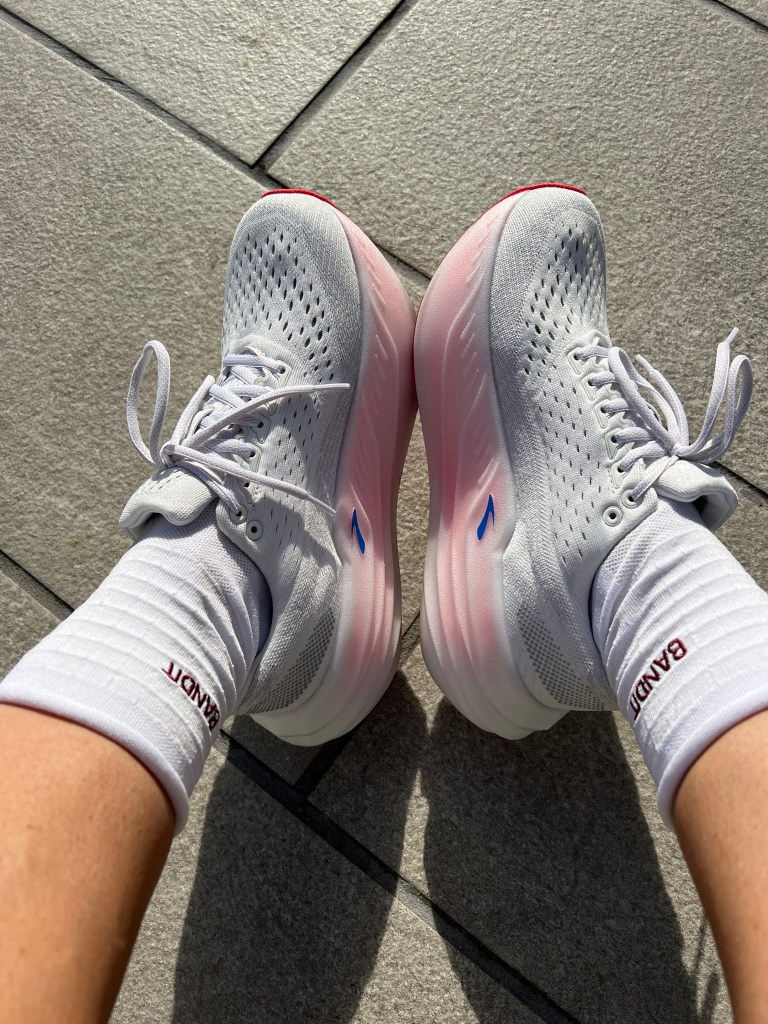
- Midsole Drop: 6mm
- Weight: 9.5oz / 269.3g (Men’s Version: Approximately 10.9 ounces (309 grams) for a U.S. men’s size 9. Women’s Version: Approximately 9.3 ounces (264 grams) for a U.S. women’s size 8.)
- Stack Height: 45mm heel, 39mm forefoot
The Glycerin Max features a nitrogen-infused, EVA-based midsole. The foam is tuned during the manufacturing process to provide softer, more plush cushioning in the heel and firmer, more responsive foam in the forefoot.
What Brooks Says
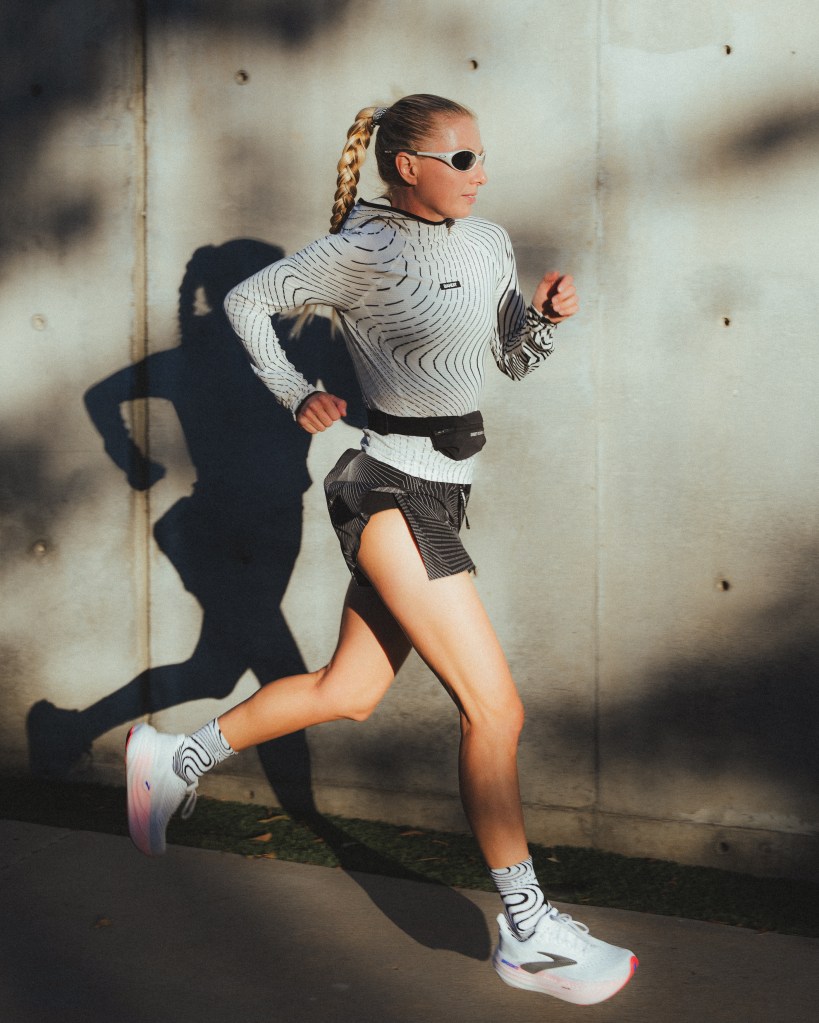
“The Brooks Glycerin Max introduces an innovative midsole technology called DNA Tuned, marking a significant advancement in the Glycerin series. This nitrogen-infused foam utilizes dual-sized cell technology, featuring larger cells in the heel for plush landings and smaller cells in the forefoot for responsive toe-offs.
The Glycerin Max also features GlideRoll Rocker to promote smooth heel-to-toe transitions. With an increased stack height and enhanced cushioning, this shoe provides a unique balance of softness, responsiveness, and durability.”

Summary
What is DNA Tuned
DNA Tuned is a proprietary midsole foam technology developed by Brooks Running.
The DNA Tuned foam in Brooks shoes, including the Glycerin Max, is a nitrogen-infused EVA-based foam.
A nitrogen-infused EVA-based midsole” refers to a shoe midsole made from ethylene vinyl acetate (EVA) foam that has been infused with nitrogen gas during the manufacturing process, resulting in a lighter, softer, and more responsive cushioning compared to standard EVA foam alone; essentially, the nitrogen creates tiny air bubbles within the EVA.
Base Material:
- EVA (Ethylene Vinyl Acetate): The foam’s foundation is EVA, a common material in running shoe midsoles due to its lightweight and cushioning properties.
Nitrogen Infusion:
- The foam is infused with nitrogen gas during manufacturing. This process:
- Expands the foam cells for a softer and more responsive feel.
- Allows precise tuning of density and performance characteristics, making it adaptable for different parts of the shoe (e.g., softer in the heel, firmer in the forefoot).
Dual-Density Structure:
Heel Zone: The foam features larger cells, providing a softer, more cushioned landing for impact absorption.
Forefoot Zone: The foam utilizes smaller, denser cells, offering a firmer, more responsive feel for efficient toe-offs.
First Impressions and Performance
I bought the same size as my NB Rebel 4, Pegasus 41, and other running shoes, all of which are size 8 US. I find the NB Rebel slightly wide and short, I know some people like to add half size in rebels, but I use my normal size in them due to the wideness.
I generally need around 50 miles in a new pair of shoes to form a solid opinion. Often, the initial impression shifts after a few runs, but after that, my view usually stays consistent. Opinion can change from “Oh, I love these shoes!” to “Oh, I hate them!”—and vice versa.
First Run

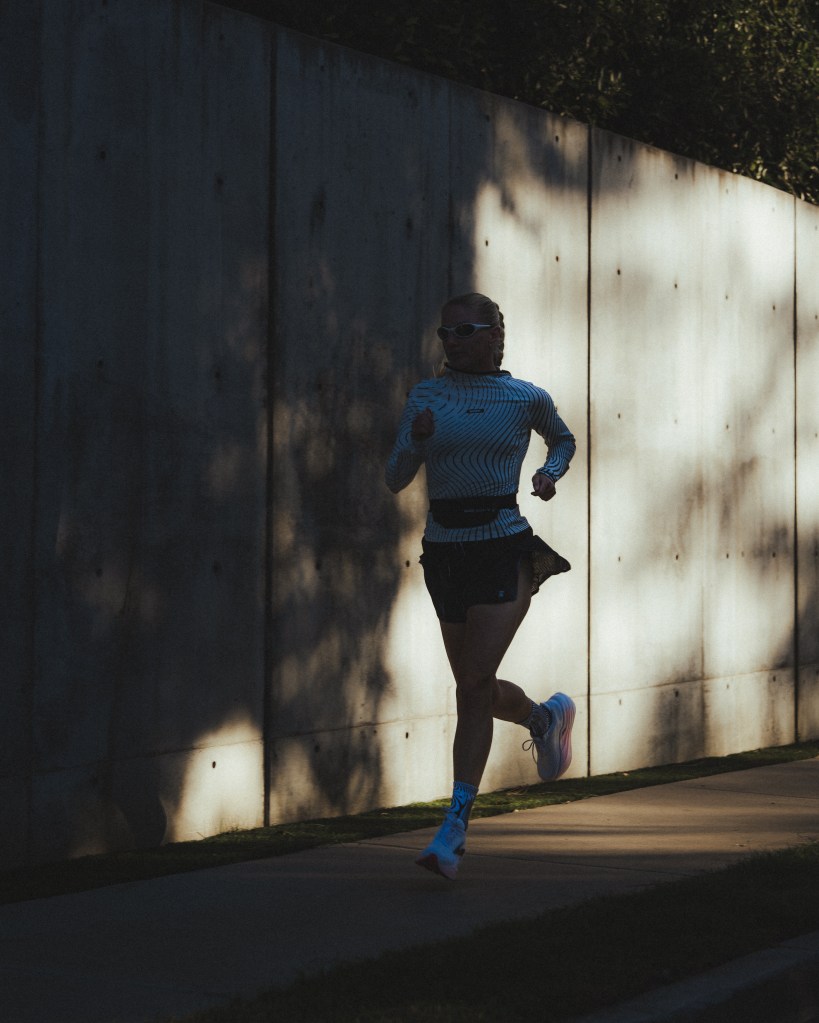
When I first put on the Glycerin Max, I felt unusually tall, which seemed to mess with my biomechanics. My legs felt “different,” almost like a teenager adjusting to a sudden growth spurt. It took a while to adapt, but initially, my stride felt unnatural.
The biggest surprise? How firm they were! Despite their advertised plush cushioning, they felt like firm, heavy bricks. The lack of ground feedback made running awkward, especially uphill, where the shoes felt stiff and unresponsive. It was like my feet were trying to bend and push, but the shoes wouldn’t budge. Running uphill felt almost dangerous in terms of injury risk. I run hills everyday, and I feel if you have even small hills on your route it is very important to pay attention how your feet feel inside the shoes during running uphill. Because it is the most critical part when you can hurt yourself. Also I did not feel rocker at all. They felt flat and high, and firm.
After the run, I felt like I’d been wearing wooden clogs. I hoped things might improve with more mileage.
Second Run
My second run was a longer one—13 miles (21 kilometers). Unfortunately, nothing changed. By the middle of the run, I started experiencing pain in my small toes, likely due to the shoes being too narrow. I don’t have wide feet, but after running in the spacious New Balance Rebel 4, the Glycerin Max felt restrictive and painful. I do not have this problem very often,I feel like the last time my small toes were hurting was in Tracksmith shoes, because they are very narrow.
I rotated between the Rebel 4, Pegasus 41, and Glycerin Max. Each time I returned to the Glycerin, my small toes hurt badly.
Ongoing Issues
I’m not small, light, or fast, but I’m not slow either—just an average runner who logs plenty of miles and tests lots of shoes.
That said, not all shoes are for everyone, and some shoes might not suit anyone. For me, the Glycerin Max lacks flexibility, responsiveness, and true softness, making it feel like my feet are constantly fighting against giant bricks. Over time, I even started experiencing pain in one foot, then the other, which I believe stems from the shoes’ inability to work in harmony with my natural gait.
Final Thoughts
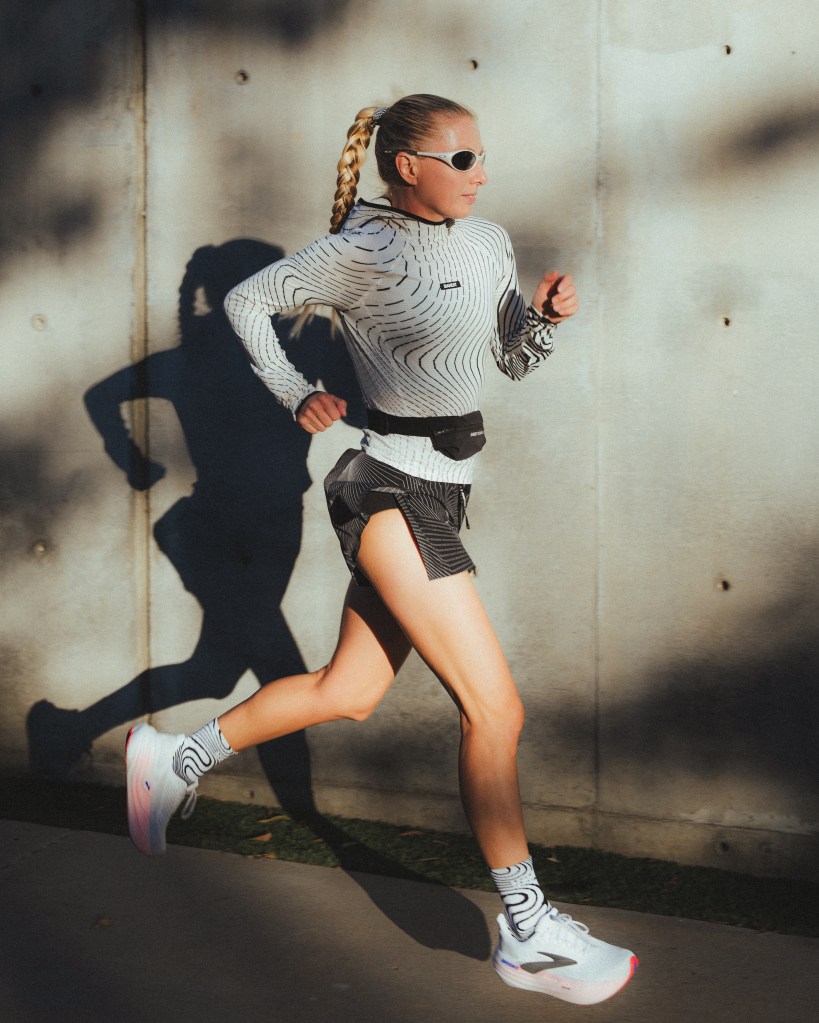
The Brooks Glycerin Max hasn’t lived up to expectations so far. I’ll continue testing them for a few more runs to see if anything changes, but as of now, they feel overly firm, unresponsive, and restrictive. While they might work for someone else, they don’t seem to suit my running style or needs.
 Live an Active Lifestyle