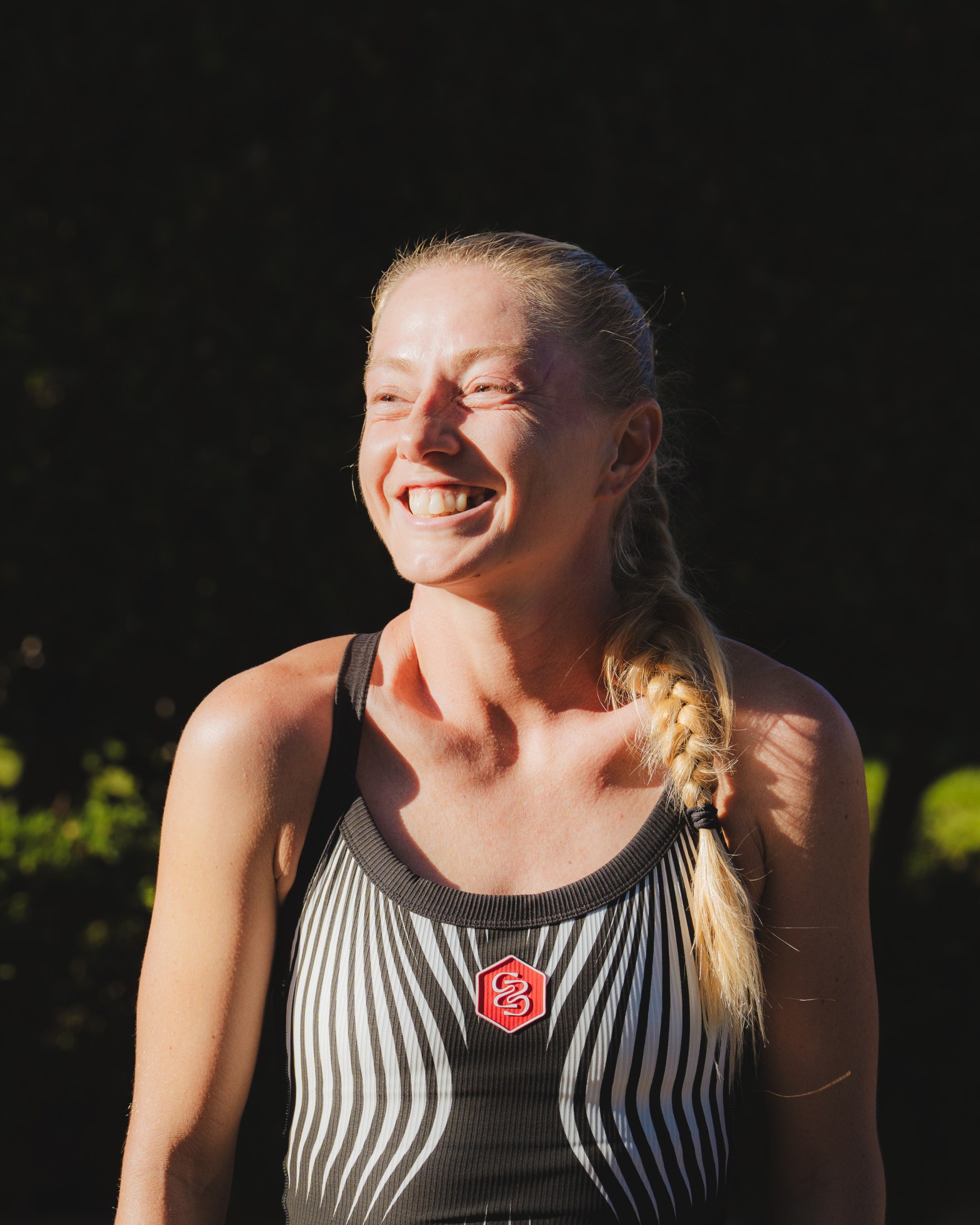
Marathon number 25
All pictures by https://www.instagram.com/vspicturescom/?hl=en
n February, I ran a marathon and set my current PR of 3:00:41. After that, I did lots of races and felt ready to give it another try to break 3 hours in the fall. I planned to run the Chicago Marathon. My training was good, and I followed the same routine as I did for the Ventura Marathon: running twice a day, two tempo runs per week, and no long runs. Since I’ve been running for many years, speed workouts are my weakness. I have great endurance, so I don’t need to run slow and far. Before Ventura, I decided to run 7k tempos twice a week, and it worked—I ran a 5-minute PR.
This time, I decided to do the same, only with 10k tempos twice a week. Everything looked perfect; my tempo pace was great each time, and I was confident I could run under 3 hours in Chicago. Unfortunately, during my taper, I found out there was a misunderstanding with my brand sponsor, and I didn’t have a bib. It was a big disappointment, especially since I was at my peak.
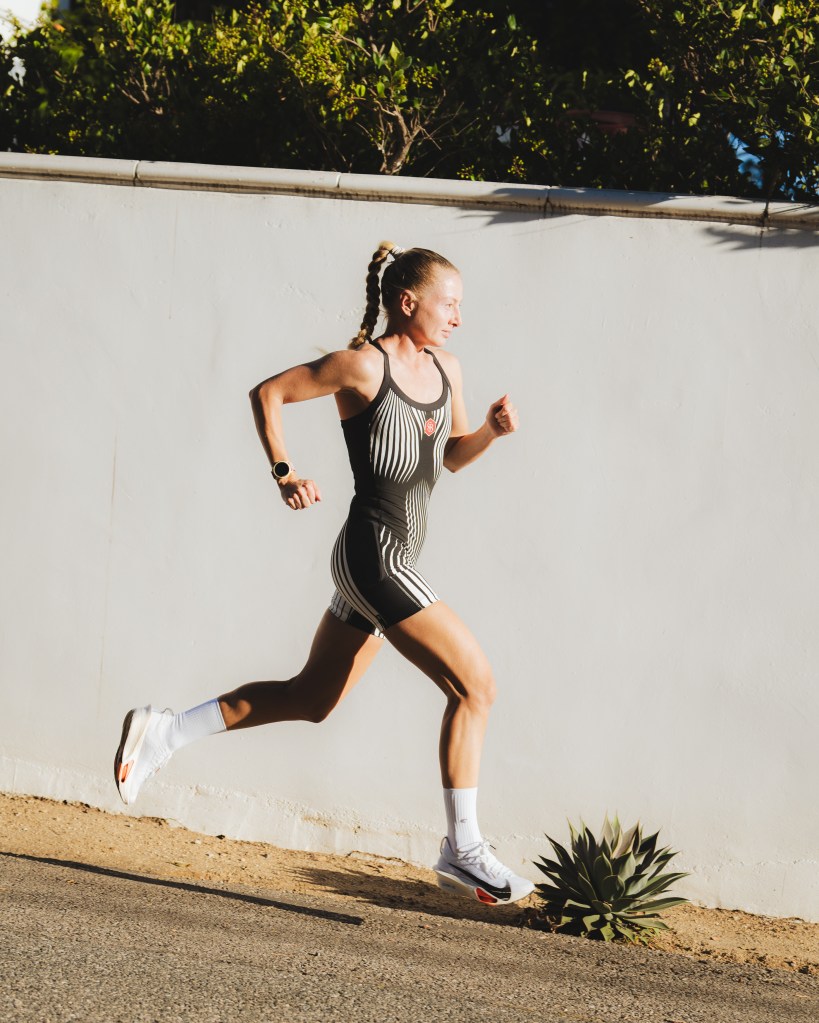
I started looking for another race in the fall, but none of them seemed right. Finally, I found the Las Vegas Marathon, which looked promising: short travel, lower cost, and a fast course.
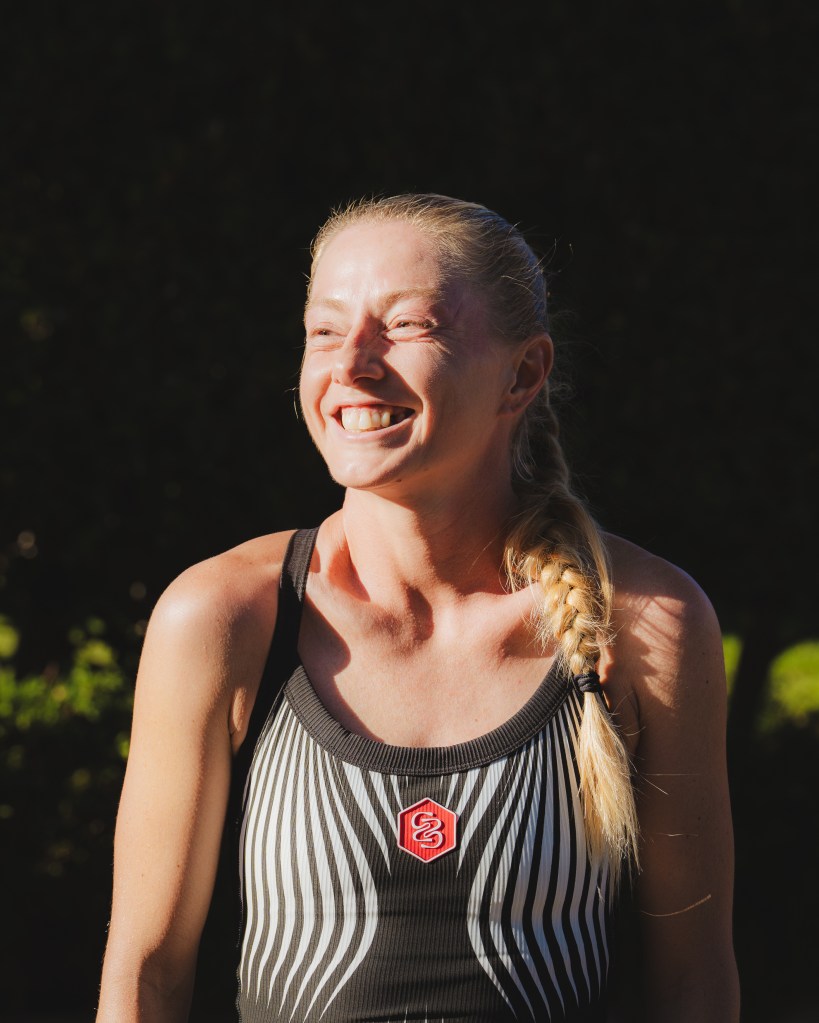
Injury History
During the summer, on long road trips, I started noticing pain from the back/inside of my knee. It wasn’t exactly pain, more like a spasm that would happen every time I was in the car. I kept complaining about how uncomfortable the car seat was for me, so I didn’t pay much attention to the spasms after road trips. When I started this marathon training cycle, I made one change compared to the previous cycle: I ran my tempos on hilly terrain around a golf course instead of along the beach. Also, in winter, I had done all my tempos in Saucony Speed shoes, but now I was using Nike Speed shoes.
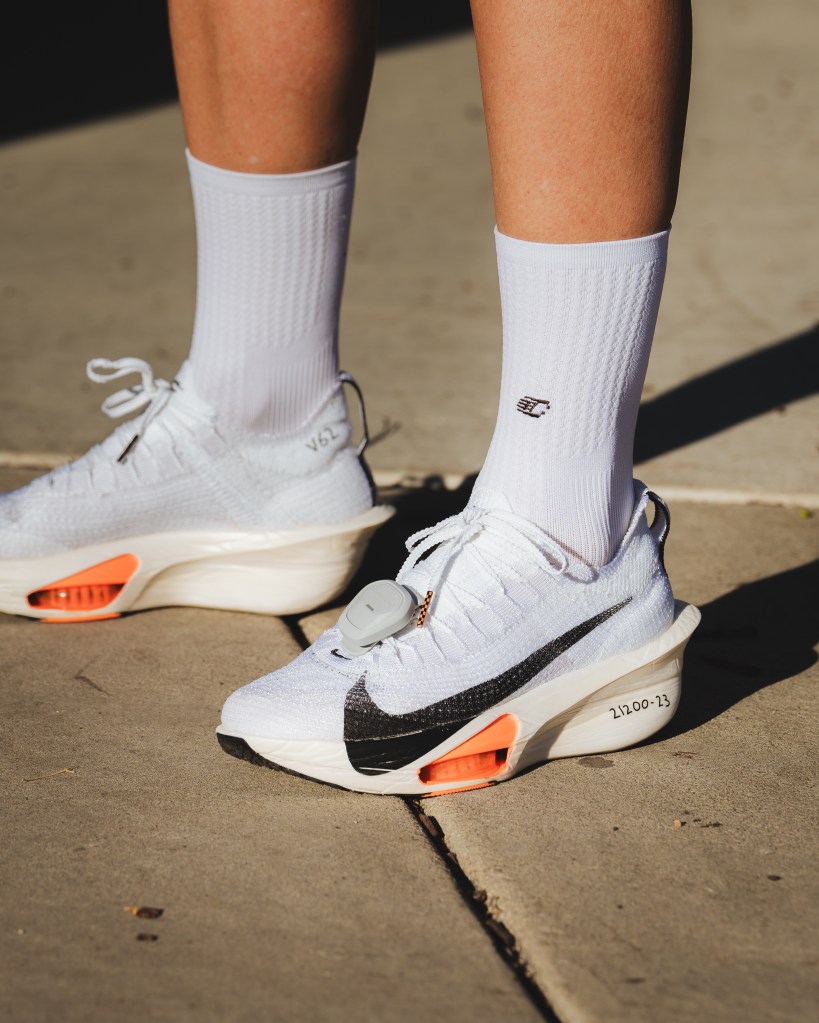
After some tempos before Chicago, I started feeling the same spasms at the back of my leg, inside of my knee that I’d noticed after road trips. At some point, my entire hamstring area was in small spasms. I figured it was probably a mineral imbalance, even though I do blood work every two months. I started taking more minerals, electrolytes, and water. My leg got better, but I was still feeling something at the back/inside part of my knee/leg.
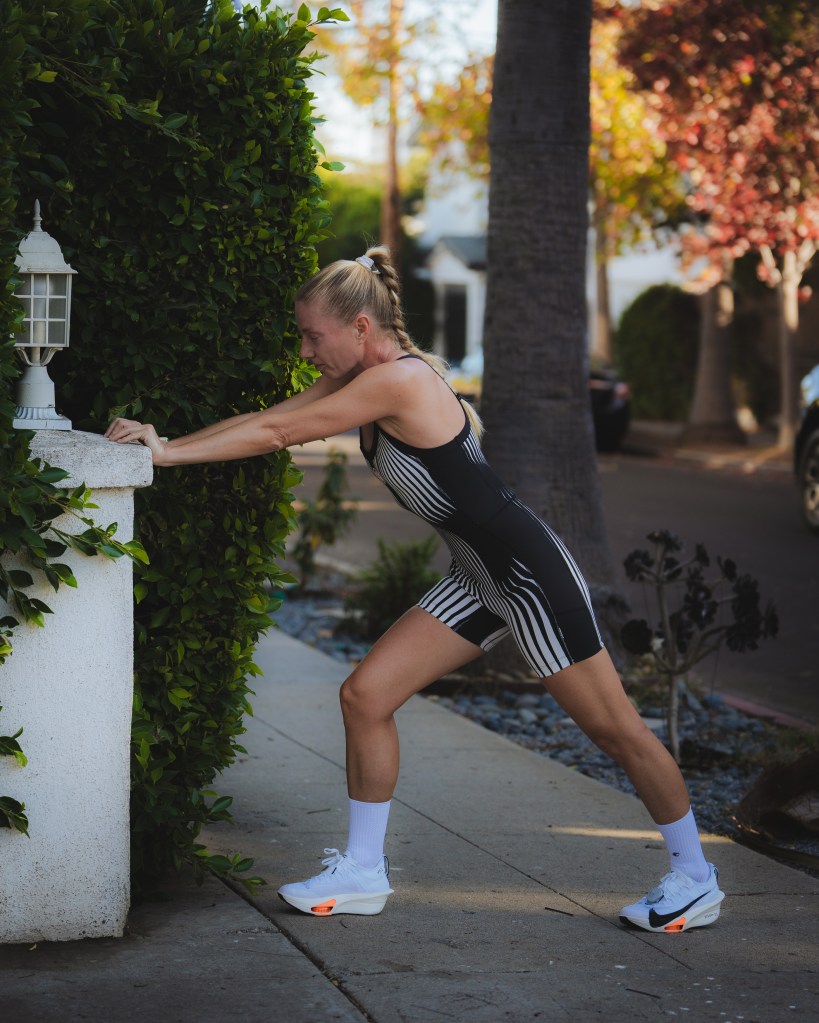
Marathon Day
Everything felt great leading up to the marathon—my fitness was good, nutrition was on point, and the course looked promising. I was sure I could break 3 hours. To be honest I had no idea that I would not. My level of confidence was so high and it hurts now.
Unfortunately, the weather didn’t cooperate. Race day was windy, with a strong headwind at the start. The starting line was cold.
As we began, there was a nice downhill where I could save some time for later. But as soon as we left Red Rock Park, the wind hit us full force. My legs started freezing up. My watch was set for a 2:55 pace (virtual pacer on COROS watch is awesome) , and I was holding it, but the wind erased the downhill advantage. Up to 10 miles, I was running well, but then something happened—I couldn’t move my legs anymore. I felt intense pain in my hips, and every step hurt. For the first time in my life, I was ready to DNF before reaching halfway. I knew something was wrong, but I blamed the cold, the wind, and everything in between.
I was frustrated and disappointed with myself for not being able to run faster. I’d never felt so prepared, but here I was, running 5 minutes per kilometer, and by the end, I was down to 6 minutes per kilometer. It was a sad day and a tough race. Usually, no matter what, I can find purpose and joy in my races, but not this time. I was completely disappointed in myself.
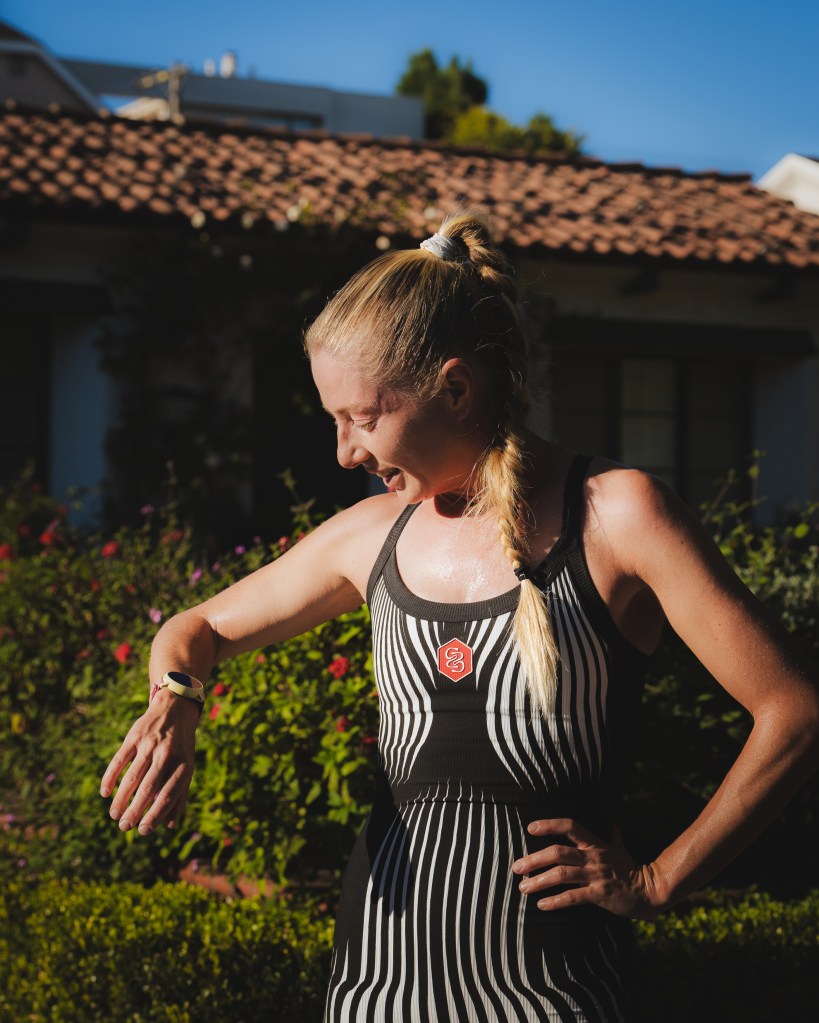
What Happened?
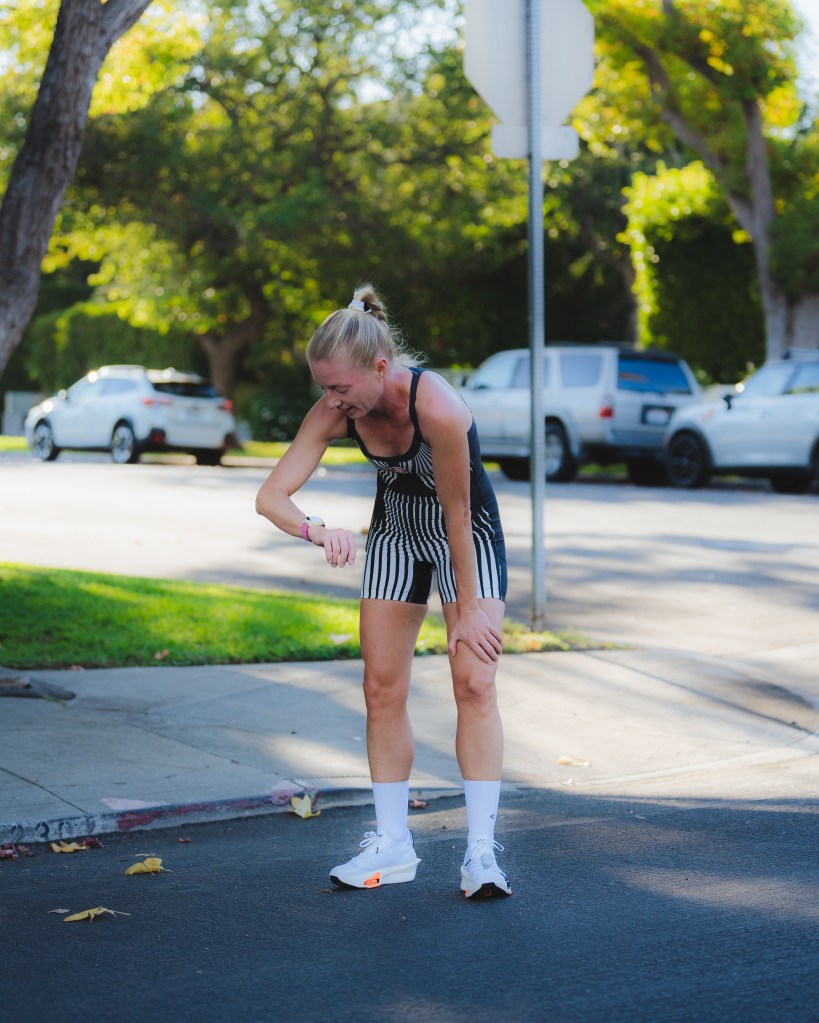
On the drive home, I couldn’t sit comfortably due to severe pain under my glutes. I started researching and realized I had all the symptoms of Proximal Hamstring Tendinopathy. It was shocking to think I might have had an injury without realizing it.
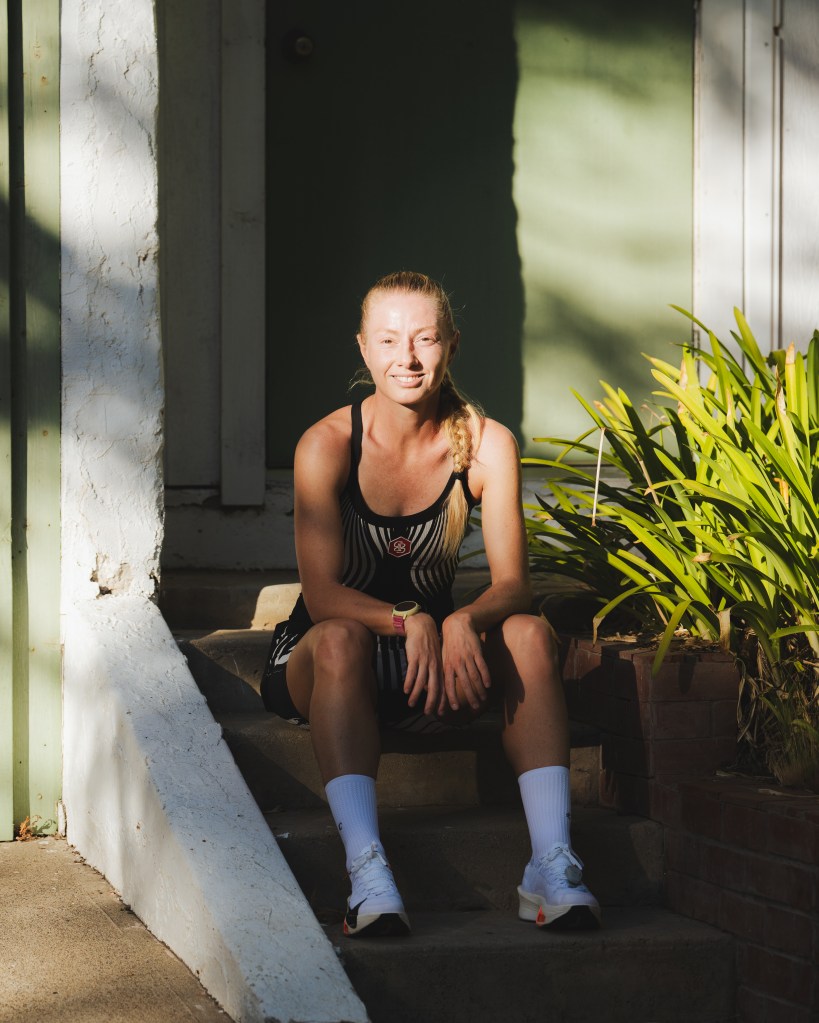
Looking back, I missed some warning signs: spasms behind my knee, spasms in my hamstring area, and the impact of doing hill tempos in super shoes with very bouncy foam and a carbon plate.
Now, I’m trying to get a doctor’s appointment—though we all know that’s a pain (literally!). I’ll likely need an MRI to see what’s happening with my tendons.
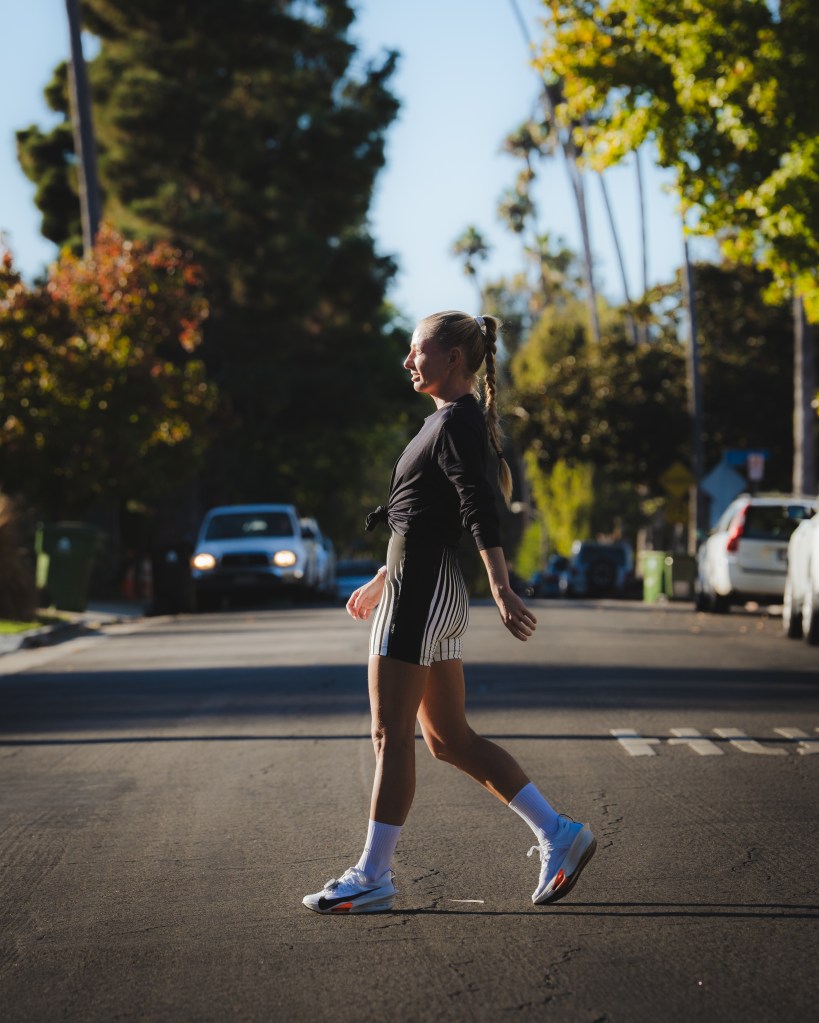
In general I do feel really down and upset about the race. But on the other side I did a lot of things right prior the race this time what in general lead to me feeling really well on the start line.
Race
I choose the race because course looks fast. It is fast course, so it has it advantages and disadvantages.
Advantages:
- Fast course
- Nice asphalt all the way
- Few turns
- No crowd
- Cheap travel
- Great timing, it is daily saving time, so more sleep
Disadvantages:
- Unpredictable weather, could be windy, too cold or too hot;
- Elevation;
- Aggressive downhill;
- Not a beautiful course;
- Early start ( buses)
What can be fixed: more restrooms on the start area for sure and need work on pacer groups and sights. Otherwise the organization was great.
I can recommend this race for PR or BQ, but downhill training must be done proper that. Even though it’s not that aggressive downhill, it still is at the begging. Also the course has some steep and shorts uphills, not a big deal, probably some time can be saved from the begging, but just keep it in mind.
SUB 3 project continues
 Live an Active Lifestyle