
Girl in runners world.
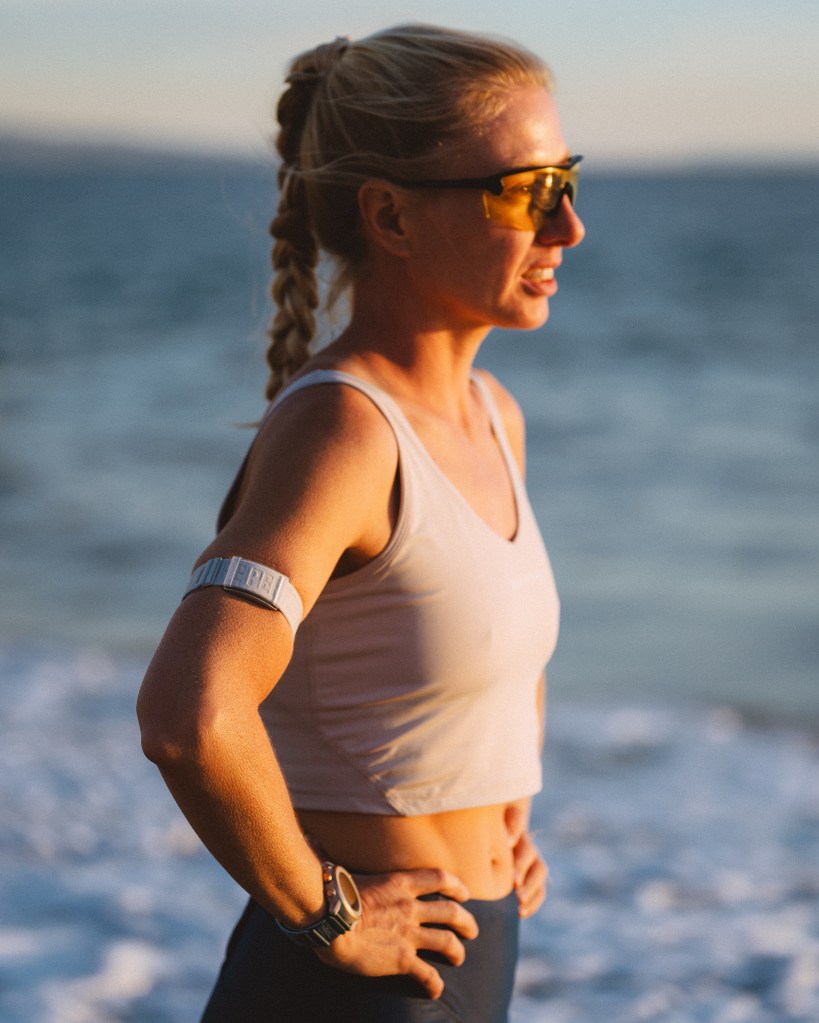
Being a girl in sports is challenging on its own, and adding chest heart rate monitors only makes it more challenging.
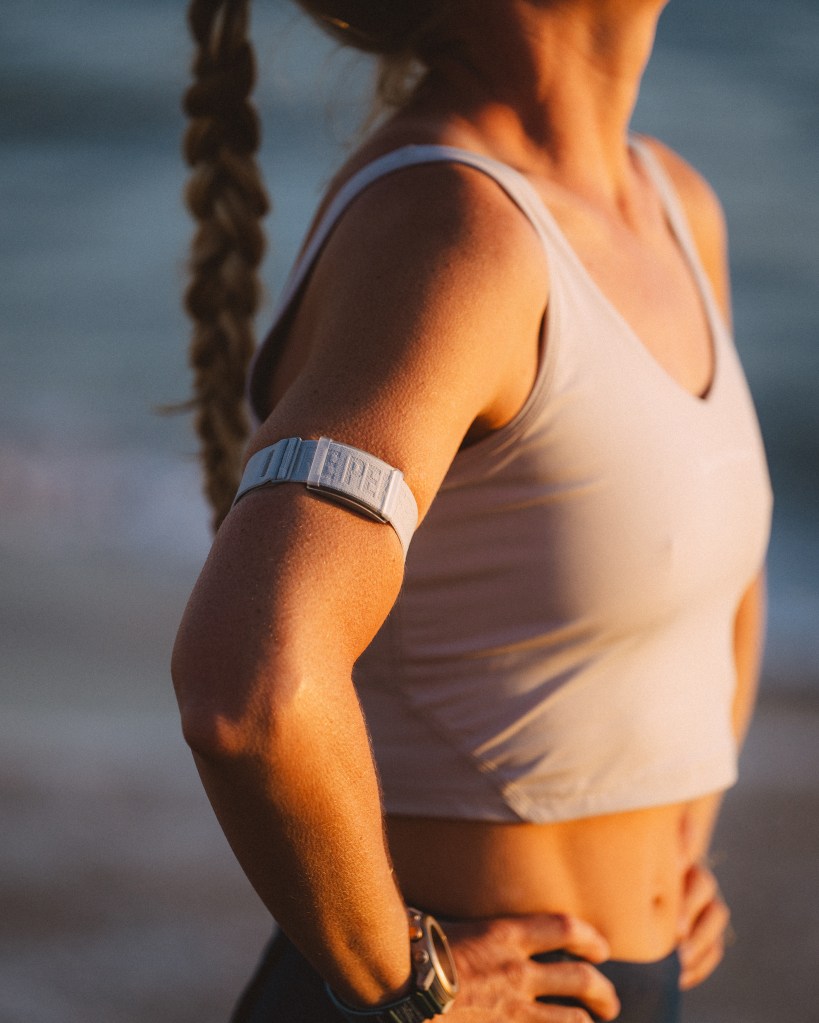
My journey in running is pretty unusual compared to everyone else I know. I was born in a small town where we didn’t have running programs in school or any running clubs for kids. I discovered my love for running when I was in middle school. I was really good and fast at super short distances, which we ran a couple of times a year in school. However, that was the extent of it. I had no opportunity to practice, have a coach, or be part of a team, though I would have loved to. I rediscovered running when I was around 15-16 years old, and since then, I’ve been running regularly on my own. For nearly eight years, I ran alone or with a friend, without any tracking devices, just using the big town watches we had in front of our town park. I typically did one or three loops around the park. I got my first tracking device in 2010; by that time, I had been running for around 8-9 years. It was the Nike app. Later that year, while in Italy, I got my very first TomTom Nike running watch, and it was simply amazing. So, I’ve been tracking my mileage since then.
The running boom hit Moscow around 2011, and I was ready for it. I discovered races, paces, times, and many other things. I also realized that running was predominantly a male sport with limited space for women. Looking back, I see that I didn’t fully understand it then, but I do now. From running clothing and shoes to running spaces, everything seemed designed for men and only men. Races, clothing, not to mention heart rate monitors, were all geared towards men. It was challenging enough to find the right sports bra (still is), and adding a heart rate monitor on top of that was a nightmare. I was frequently told that I must use heart rate monitors; otherwise, I’m not a “real” runner. I had a painful experience with them, with wounds all over my upper body from the bra and monitors. I refused to use them. I even had a bra (Adidas) where you could place a heart rate monitor, but it also didn’t work well for me. Later, wrist monitors became a thing, and I was so happy; finally, my struggles were over. I did significant research about the accuracy of chest strap monitors and wrist monitors. In my results, there wasn’t a big difference; I tested many together multiple times. Of course, there were some issues, especially with speed workouts, but for me, it was good enough.

Times have changed, and now brands like COROS make people like myself incredibly happy. They started with small and light watches for tiny kids’ size wrists, an amazing and user-friendly app, and incredible new heart rate monitors. As a woman, I couldn’t be happier for the girls in different sports who can now get very accurate heart rate data without suffering from absolutely terrible chest heart rate monitors.
Introducing COROS Heart Rate Monitor is a big step for our sport.
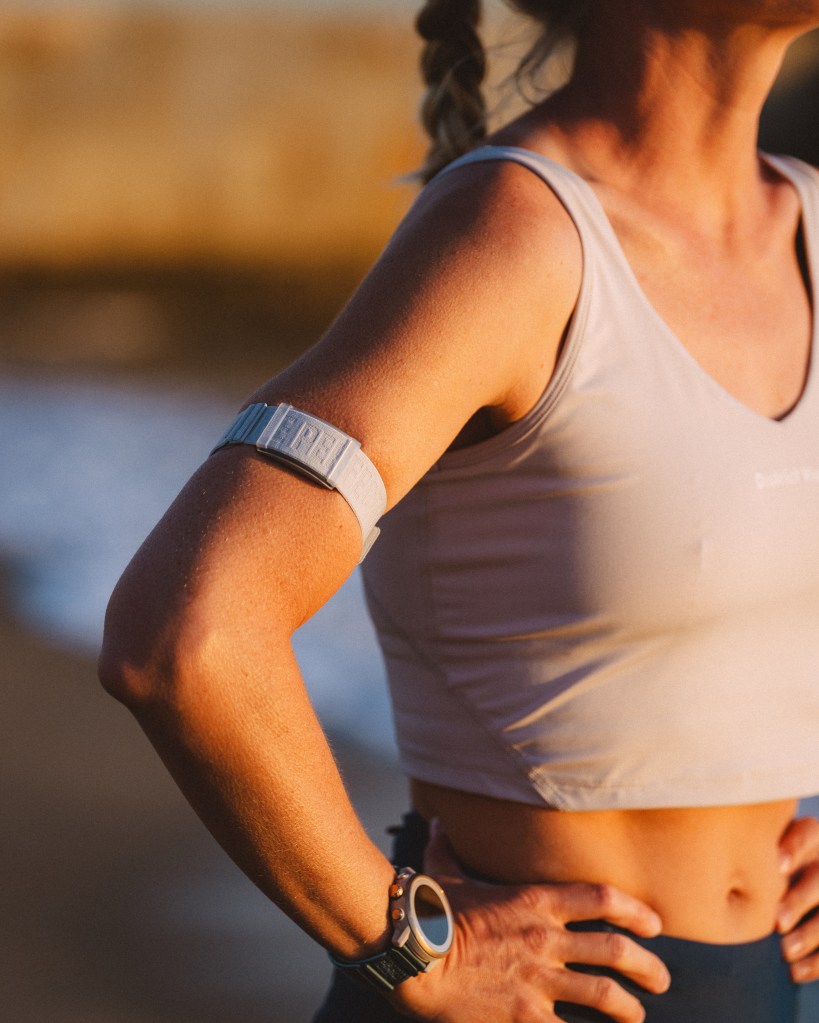
Heart rate monitors can generally be categorized into two main types based on the technology used for measurement:

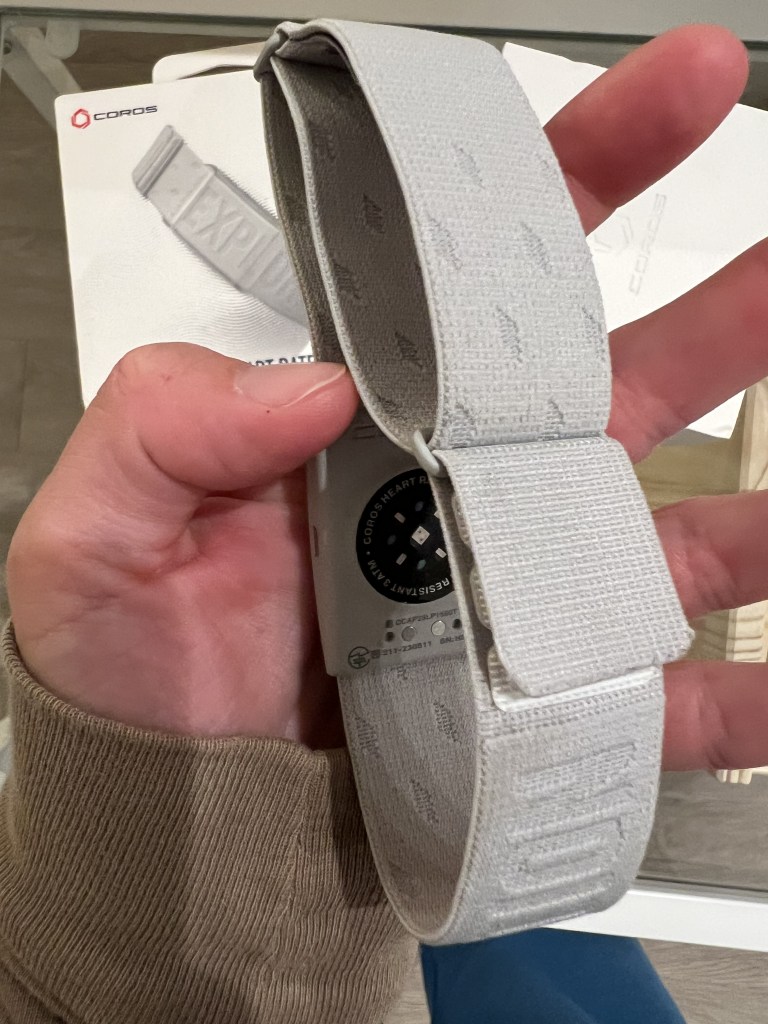
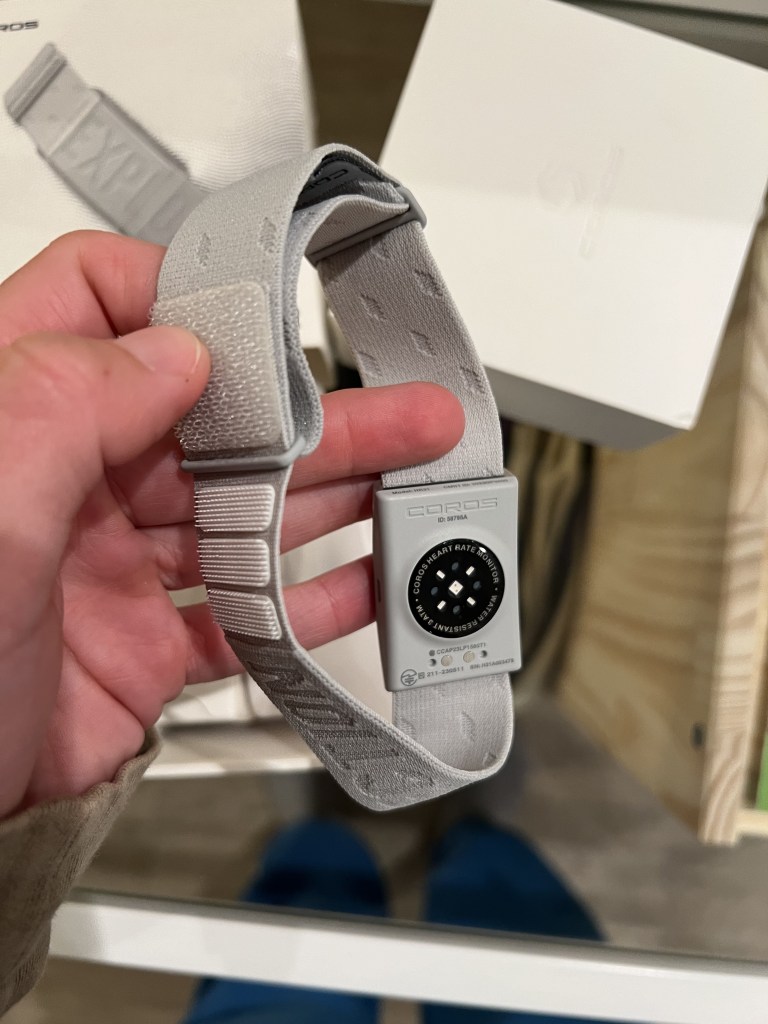
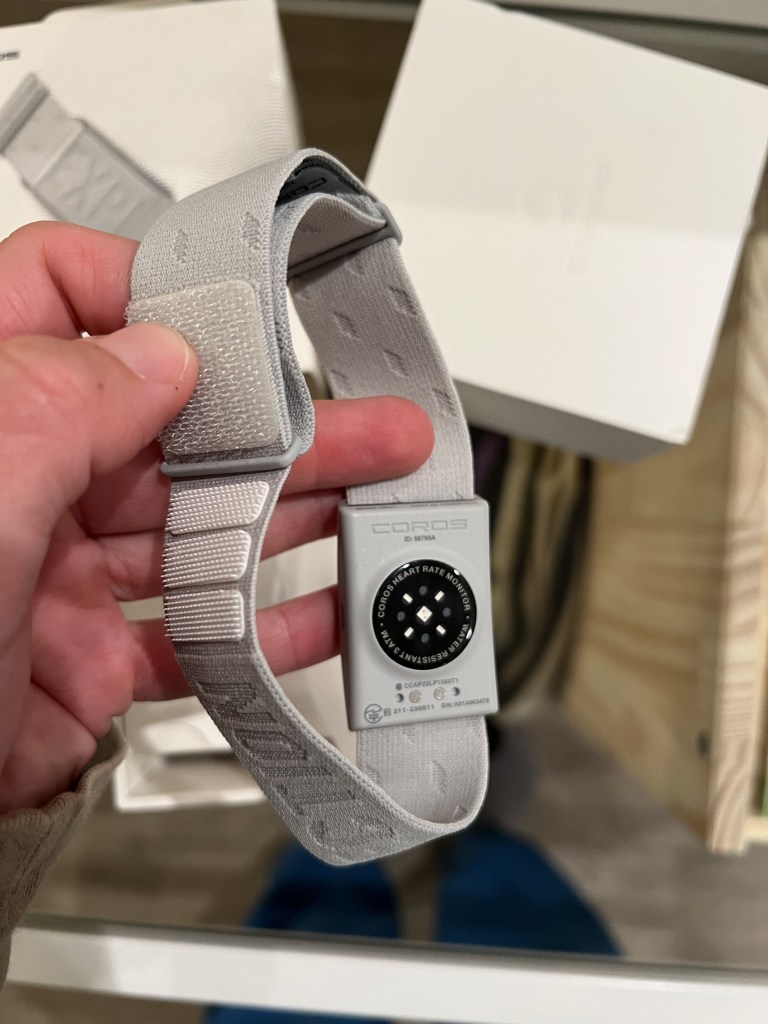
- Optical Heart Rate Monitors: This category includes devices that use light sensors to measure blood flow under the skin. Examples include wrist-based monitors found in smartwatches and fitness trackers, as well as smart clothing with embedded sensors.
- Electronic Heart Rate Monitors: This category includes devices that often use electrodes to measure electrical signals generated by the heart. Examples include chest strap monitors and finger sensors.
The main differences between optical and contact-based (electro) heart rate monitors lie in the technology they use for measurement, their form factors, and how they interact with the body:
1. Technology:
- Optical Heart Rate Monitors: Utilize light sensors to measure blood flow changes under the skin. These sensors emit light and detect the amount of light that is absorbed by the blood, allowing the device to calculate heart rate.
- Contact-Based or Electro Heart Rate Monitors: Use electrodes that come into direct contact with the skin. They measure the electrical signals generated by the heart’s contractions.
2. Form Factor:
- Optical Monitors: Commonly integrated into wrist-worn devices (smartwatches, fitness trackers) and smart clothing. They are designed for convenience and comfort during various activities.
- Contact-Based Monitors: Include chest strap monitors that go around the chest or sensors that clip onto the fingertip. These are often used in specific sports and fitness scenarios.
3. Accuracy:
- Optical Monitors: Advances in technology have improved accuracy, making optical monitors suitable for various activities. However, accuracy can still be affected by factors like skin tone, tattoo presence, and movement.
- Contact-Based Monitors: Traditionally considered more accurate, especially in high-intensity activities. They provide reliable data but may be less convenient for daily use.
4. Use Cases:
- Optical Monitors: Well-suited for everyday activities, sports, and continuous monitoring due to their comfortable form factor.
- Contact-Based Monitors: Commonly used in professional sports and fitness training where high accuracy is crucial, but may be less convenient for casual, daily use.
What is the new COROS and why it is better than optical monitor on your watches? Yes, it is.
- Compatible with any Bluetooth heart rate-enabled device, the COROS Heart Rate Monitor delivers over 38 hours of continuous accurate heart rate monitoring to track your workouts in distraction-free comfort. So, basically you can wear it with any devices and especially where you can not wear you watches, like during climbing.
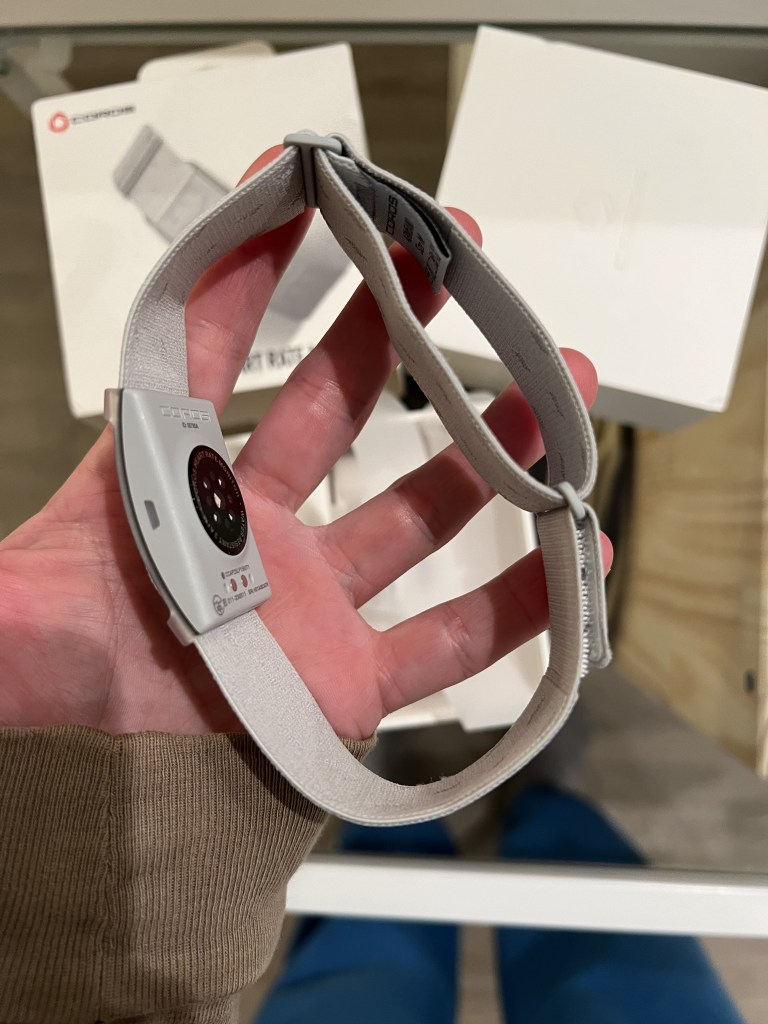
- According to COROS latest generation multi-channel optical sensor provides high signal quality. Housed in a tough yet sleek body and protected under a scratch-resistant cover, advanced sensor will deliver reliable and accurate heart rate data for years.
- Optical heart rate sensors work by using light to measure blood flow in capillaries beneath the skin. The top of your wrist is a convenient place for a watch, but is a challenging location for even the best sensors. Wearing on the arm offers our optical sensor an optimal amount of blood flow to gather heart rate data with accuracy equivalent to that of a traditional chest strap.
- It has 5 LED lights with 4 photodetectors.
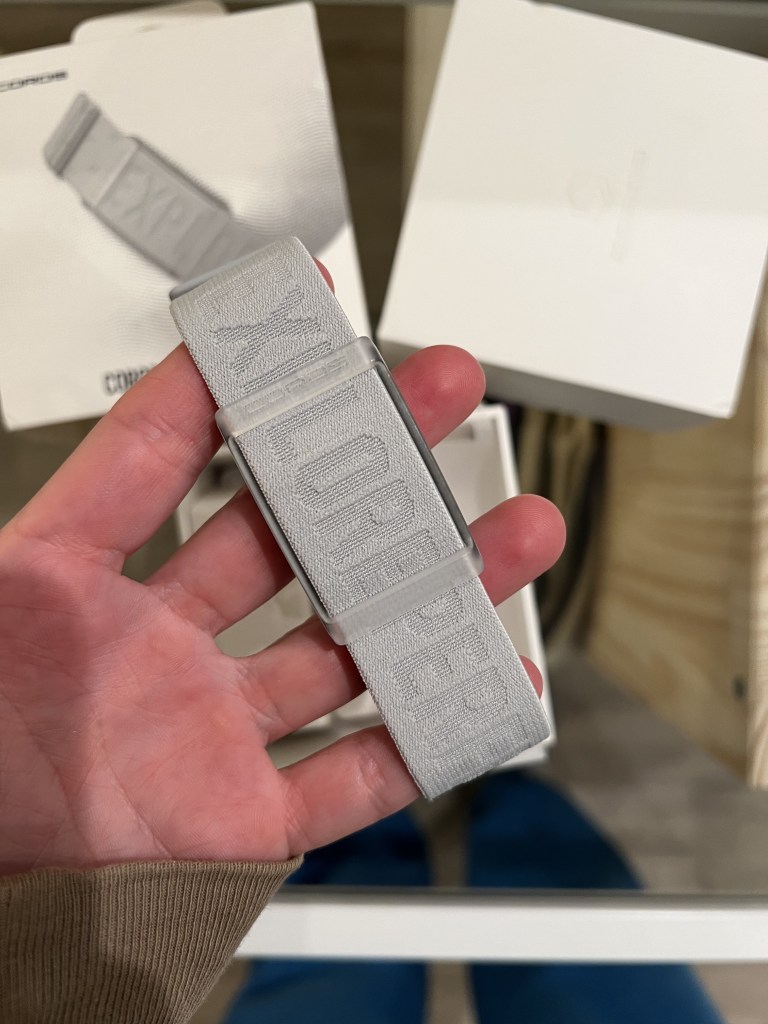
In my opinion, this device is incredibly comfortable to wear and seamlessly connects with various devices. Its accuracy is impressive, catering even to those who seek precise readings. The arm-worn heart rate monitor has a stylish and appealing design. The price is reasonable, and its ability to connect with multiple devices simultaneously adds significant utility.
For individuals desiring more accurate data than what watches provide but unwilling to wear a chest strap, this device is an excellent choice. As mentioned, the affordability is a standout feature, coupled with a stylish appearance that ensures ease of wear and comfort.
While I’ve had no issues tracking my heart rate with the monitor on my running watches, I encountered some challenges during interval running. In such cases, wrist monitors may not always be highly accurate, but it hasn’t been a significant inconvenience for me. Interestingly, this monitor proves to be more accurate during interval sessions compared to wrist monitors.
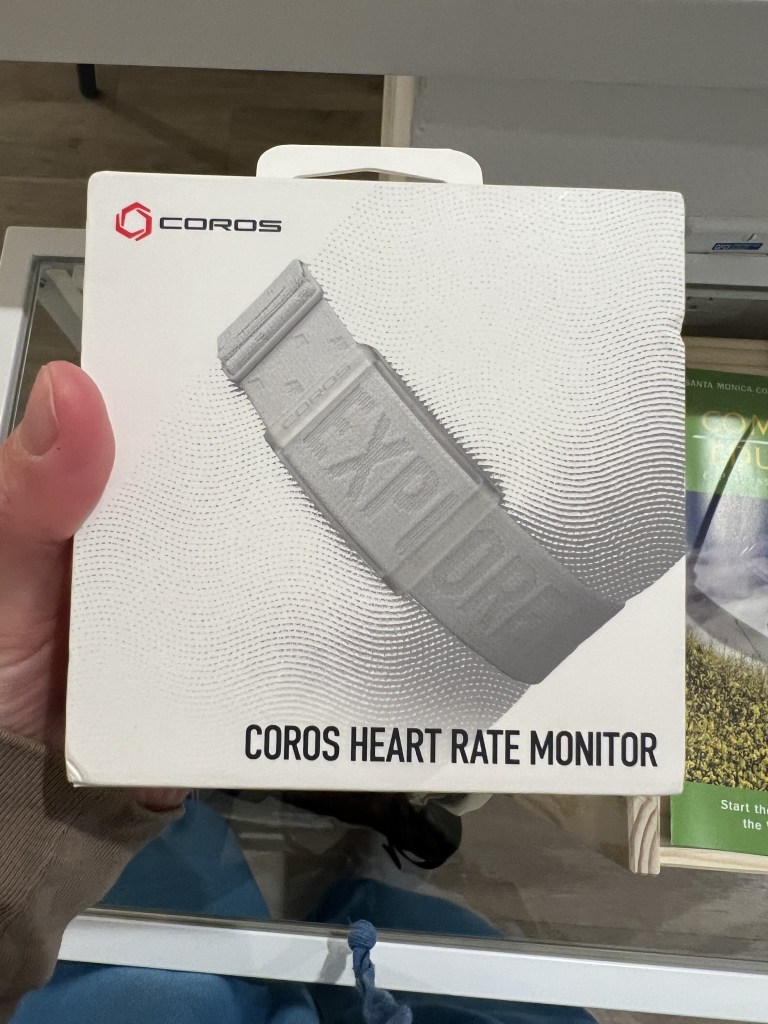
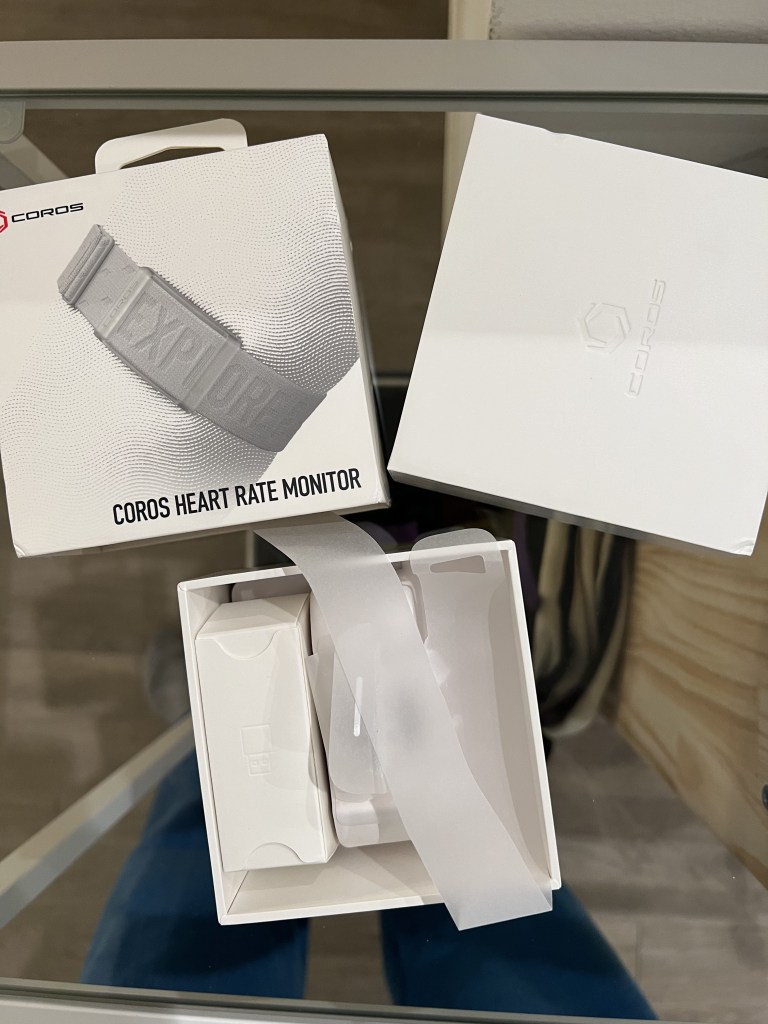
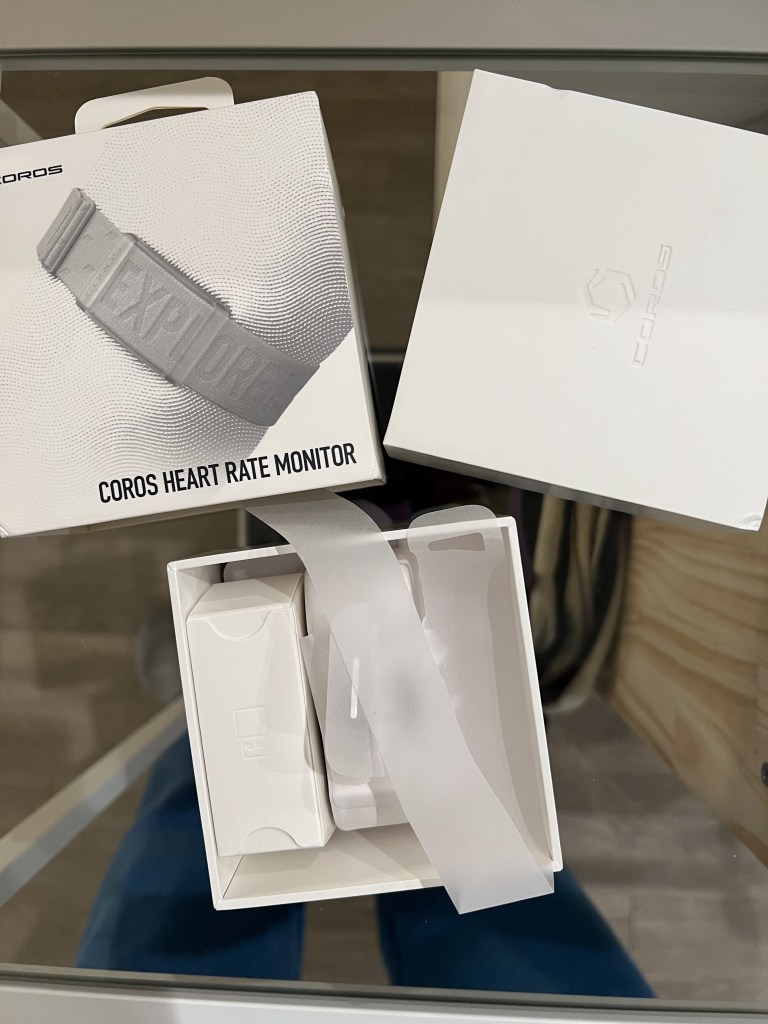
The box is crucial. Inside, you will find the monitor, band, charger, and most importantly, a QR code. The initial step is to charge the device. Next, scan the QR code from the box, add new device and scan, and your device will appear on your app. Subsequently, it will automatically connect to your watch, and you’ll see the heart rate data from this device on your watch.
 Live an Active Lifestyle