
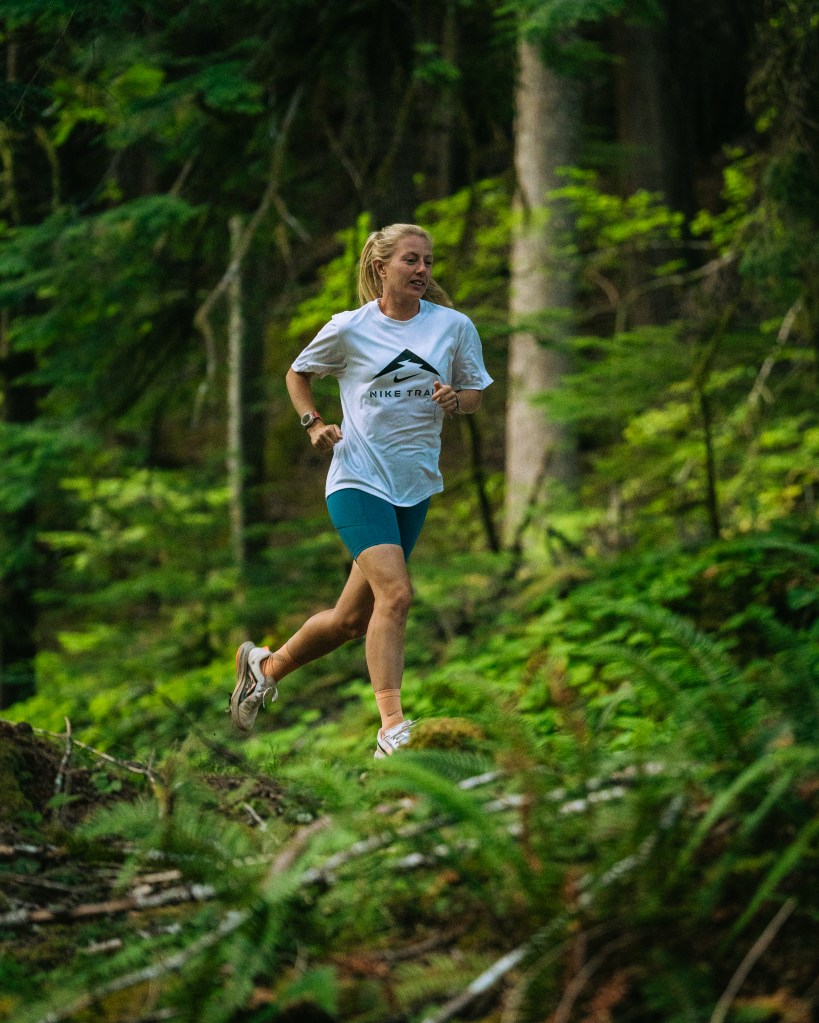
Trail running and running in the mountains are privileges.
My story
I’ve been running since 2000, but I didn’t truly experience trail running until 2014—the same year I first ran in the mountains. For people in the US, where trails and nature are easily accessible, this might seem unreal. However, for those of us from areas without mountains, living in big cities far from nature, and where cars and roads are luxuries, life is very different. Balancing studies, work, and daily expenses without the means to afford a car or travel for trail running was especially challenging, especially considering that it wasn’t even a cultural norm when I was 20.
While I now live in the US and have better access to trails, limited opportunities for trail running races continue to be a concern, not only for people like me but for many others.
This is a country of immigrants, yet it’s also a place where immigrants are facing significant challenges in all spheres, trail running is no different. Trail running is not only expensive but also time-consuming. Qualifying for WSER, for instance, can be a multi-year journey, often requiring years of ultra running. Imagine trying for 10 years to achieve your running dreams, mostly dream. At HardRock I overheard the lady, she said she was trying to get in for 10 years, but no luck and no she is not trying anymore due to the age. As time flies by and we age, needing more rest while our training routines remain unchanged, the journey becomes even more challenging. The trail/ultra sport itself is also aging, as people spend years trying to secure entry. It’s a positive development that some races have introduced women’s lotteries, recognizing the unique challenges women face in their lives.
Speaking primarily for myself and individuals in similar circumstances—I am an immigrant, and I encounter many of the same challenges most immigrants face.
What happened with UTMB
All of us who are involved in running know about iconic races and events that everyone wants to participate in. For instance, when your friends are proudly running all the six majors, you may not think about those who cannot afford to travel abroad. We have a significant number of people in the US who cannot simply go to London and run a race. So they might want it so much as running culture pushing it to be a goal, but they simply can not. The same goes for trail running, which can be even more challenging. As I mentioned earlier, gaining entry into some races can take up to 10 years, and not everyone has the necessary resources. Training for years, running races (100 plus kilometers) for years it is not only very big commitment but also it is very expensive and time consuming. For most of us it is became the place where we need to chose between something or just continue this journey. Everyone from trail community know what is UTMB is and it is ok have desire to run it one day, but with all recent changes it can become near impossible for some people.
In the past, you could accumulate points from various races to get into the lottery for UTMB races. It was not easy but we had lot of races and most of them were in the points system. You even did not have travel to get points, just run local races for couple of years. With the IronMan acquisition ,races you must run to get into UTMB lottery are limited to specific events. Ok, let’s discuss all the changes in 2023.
Recently, there have been changes that replaced points with stones and an index to enter the lottery. To qualify now, you need to collect at least one stone and an index similar to the race you want to enter. In essence, this means running two races or one race that offers both stones and an index (very few races now), but most likely two races. This may seem straightforward, but it benefits those who have the most stones, as they get more lottery tickets. So, essentially, the more money and time you have to run more races and accumulate more stones, the better your chances of getting into UTMB. This raises the question: is it really becoming easier for those who had limited financial resources or opportunities to run races before? The problems are substantial. Not only are some local races more expensive and less accessible for certain groups of people, but this applies to most groups of people in the US. If your dream is to run UTMB, it’s now even harder than before to secure entry, not because more people want to run it than before, but because UTMB has made it that way.
Unseen obstacles
Also, Zach Miller wrote a very important point that now people who have time and money, as always, have more opportunities to run UTMB than the rest of us. Also, people have to and will travel more for races as local races are very limited, increasing their carbon footprint just to get some stones and an index. Another problem is pushing people to run some exclusive races, which means that other races get fewer participants. Because before they were at point system but now they not anymore. It’s bad for the community. For example, I live in an area where I had races with points and no need to travel far. I could run locally, support the community, and so on. Yes, previously, you also needed to run 2-3 races to collect all the points (depends on desire distance), but almost all races had them. Now we need to run one race with stones and one with an index; or one race with an index and with stones (around 40 globally and 20 in the US). More stones mean more lottery tickets. It seems okay, except that this is a very limited quantity of races! it makes everything so exclusive! I believe they are working on amount of the races with stones and index, but also we do not know if races want to be the part of the system. So, this is also huge problem for race directors, to be an independent and have a chance to lost your race or be part of UTMB. I know for sure, that some races categorically refused to be part of the UTMB. To be honest I do not know for know what does it really mean for our sport, but we will see.
Trail running is a privilege, but not everyone has equal access to it. Immigrants and those with fewer resources face hurdles on their journey into trail running. Recent changes, like the shift from points to stones and indices, have made it clear that time and money often determine participation, leaving some feeling left out. However, there is hope. Initiatives like women’s lotteries recognize the challenges faced by female athletes. As the sport progresses, it’s essential to prioritize accessibility and inclusivity, at least I hope it is.
 Live an Active Lifestyle