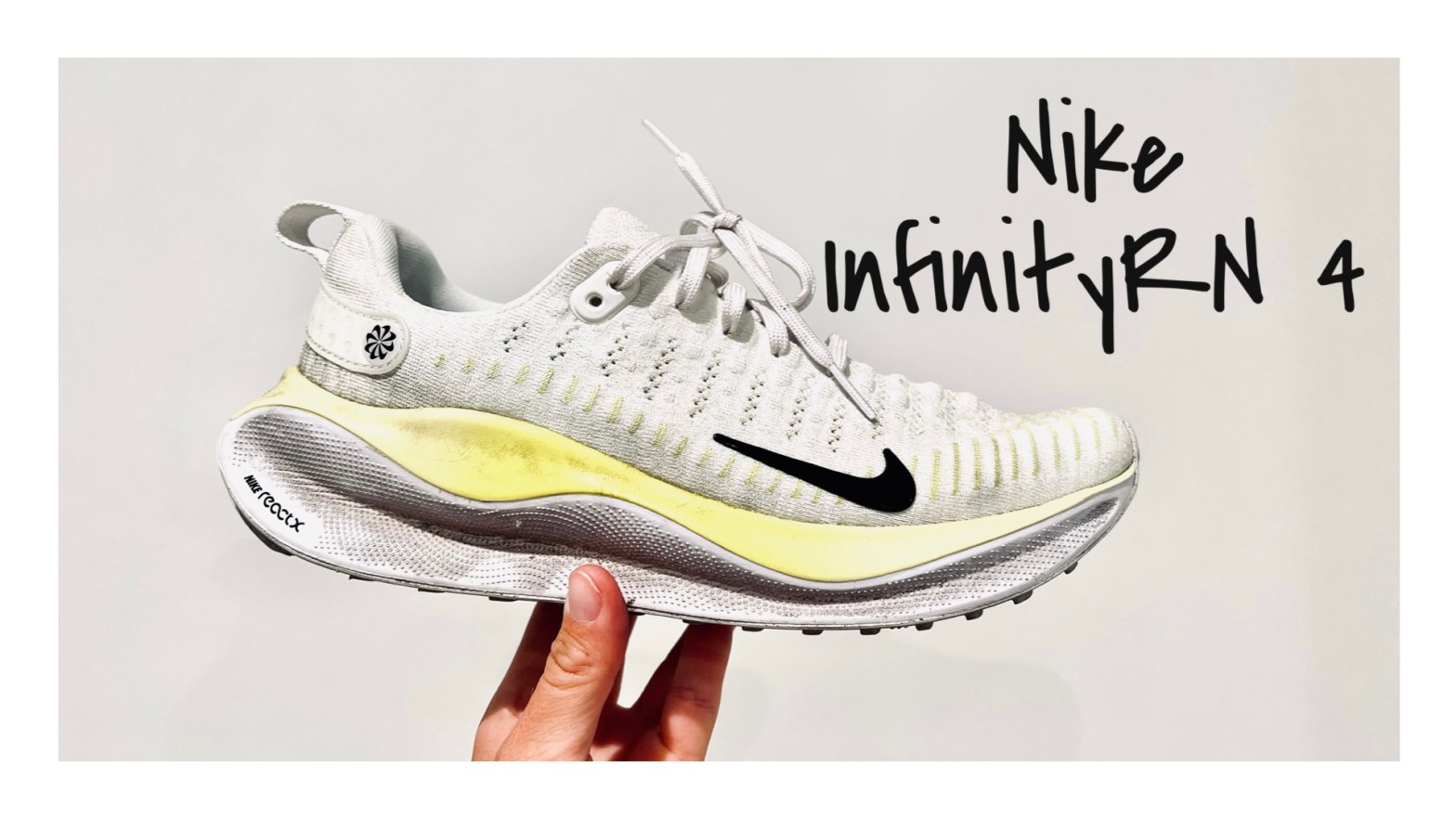
Nike InfinityRN 4
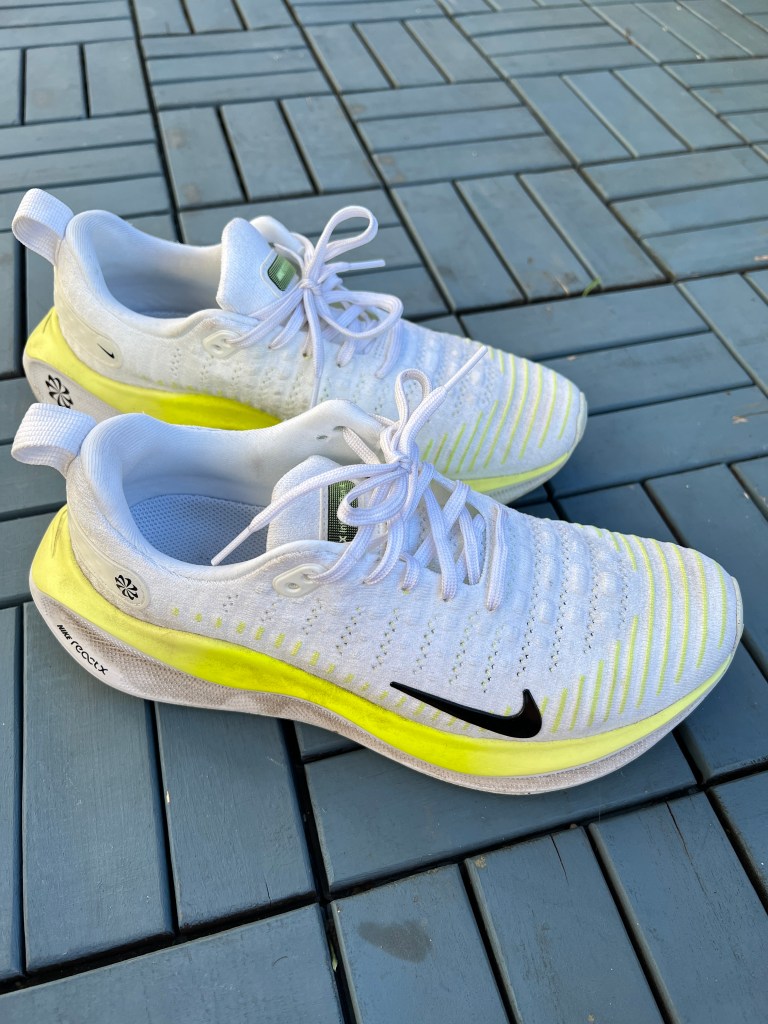
My relationship with the Infinity model has been complex. The first version became my favorite sneakers, and I ran in them extensively until I suffered a significant injury to my heel and Achilles tendon. This injury was probably the most distressing one I’ve experienced in years, causing substantial swelling in my heel. The shoes themselves weren’t the sole cause; factors like increased workload and added jumping exercises played a role. However, switching to different shoes helped alleviate the strain on my Achilles. The exact cause isn’t clear – it might have been pressure on the heel, lacing, or foot positioning. Interestingly, even after the pain subsided, I bought Infinity 3 again. After a couple of runs, I felt strain in that same Achilles area and quickly returned to my previous shoes. Clearly, there’s psychological trauma associated with them.
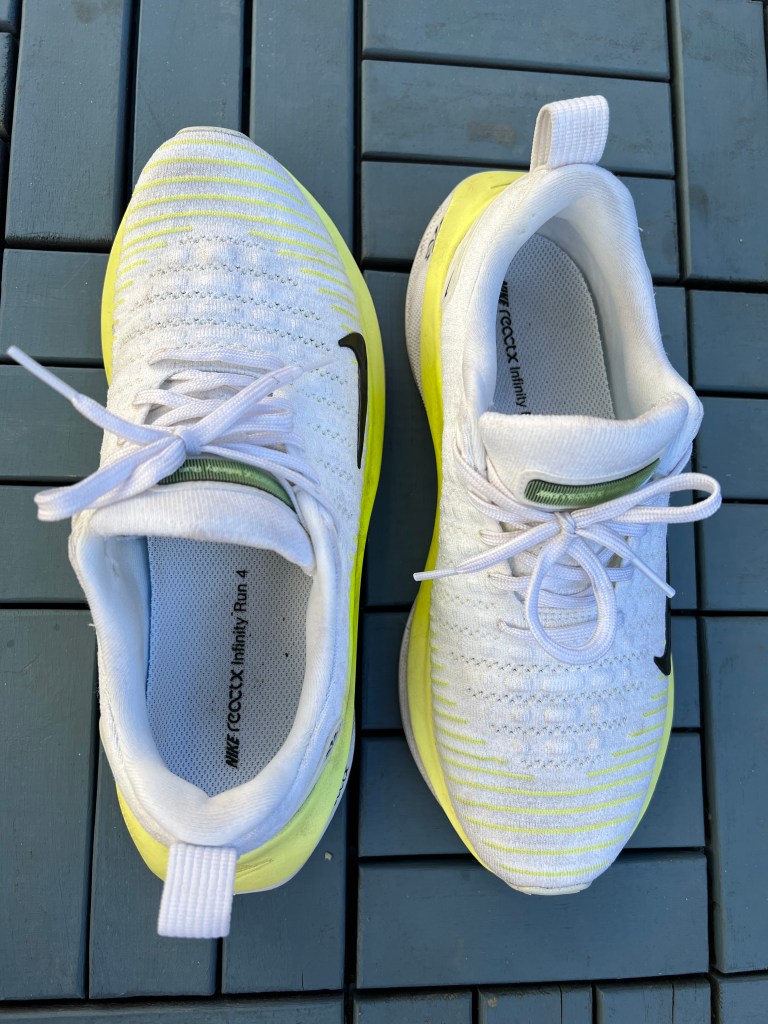
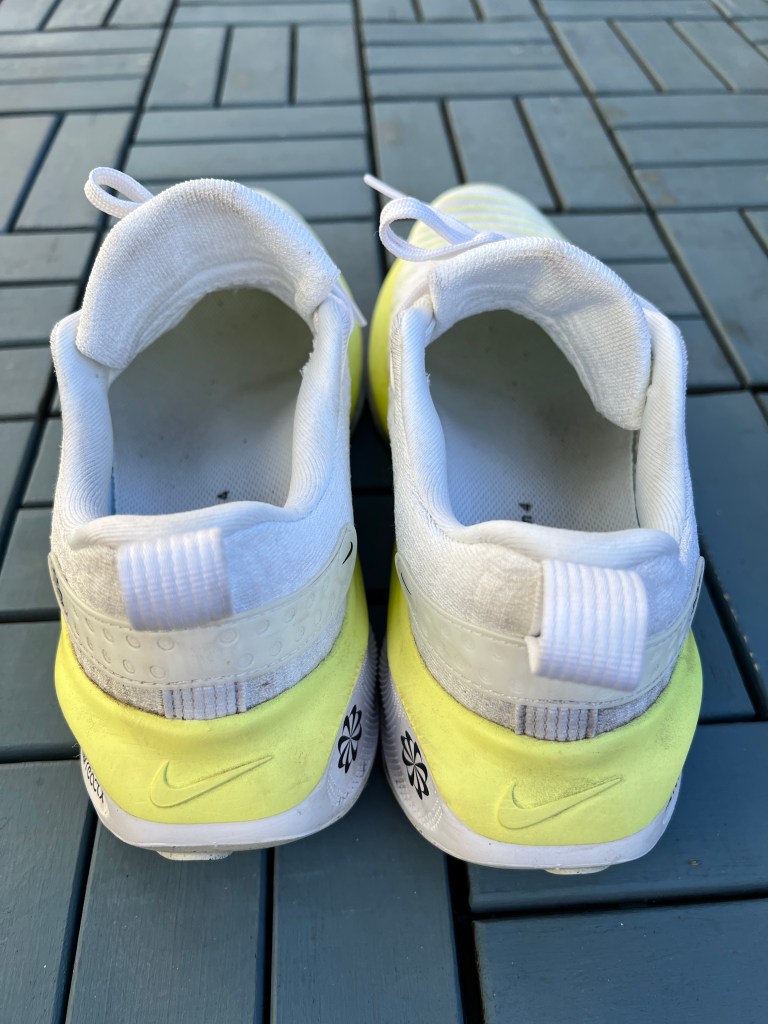
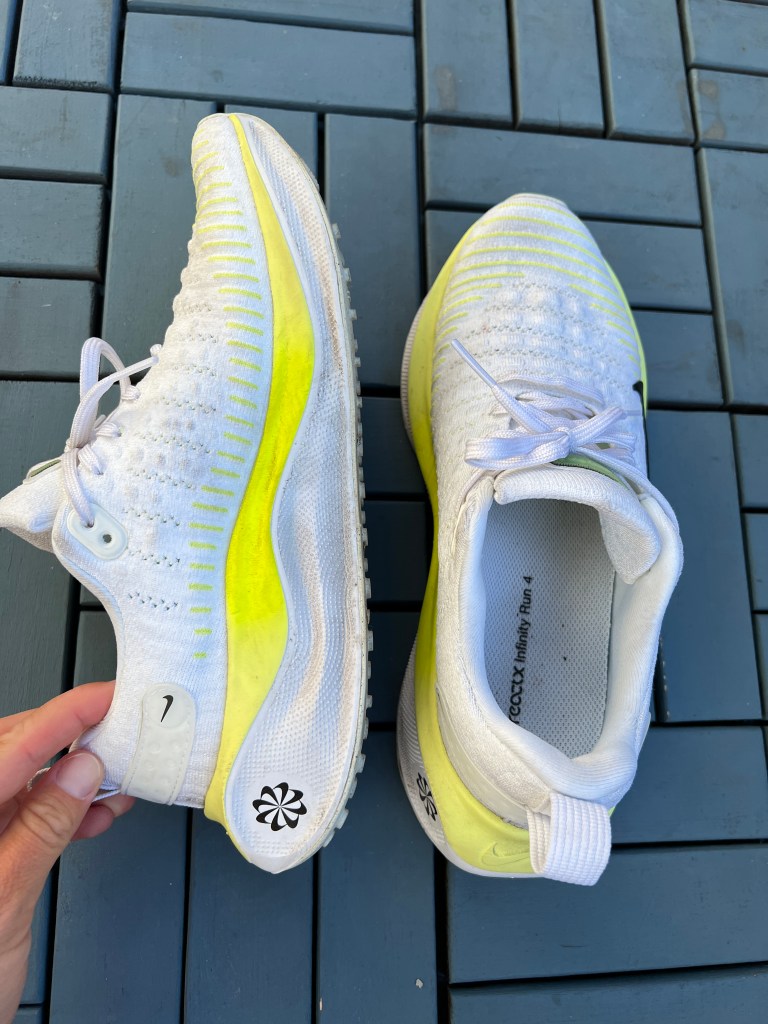
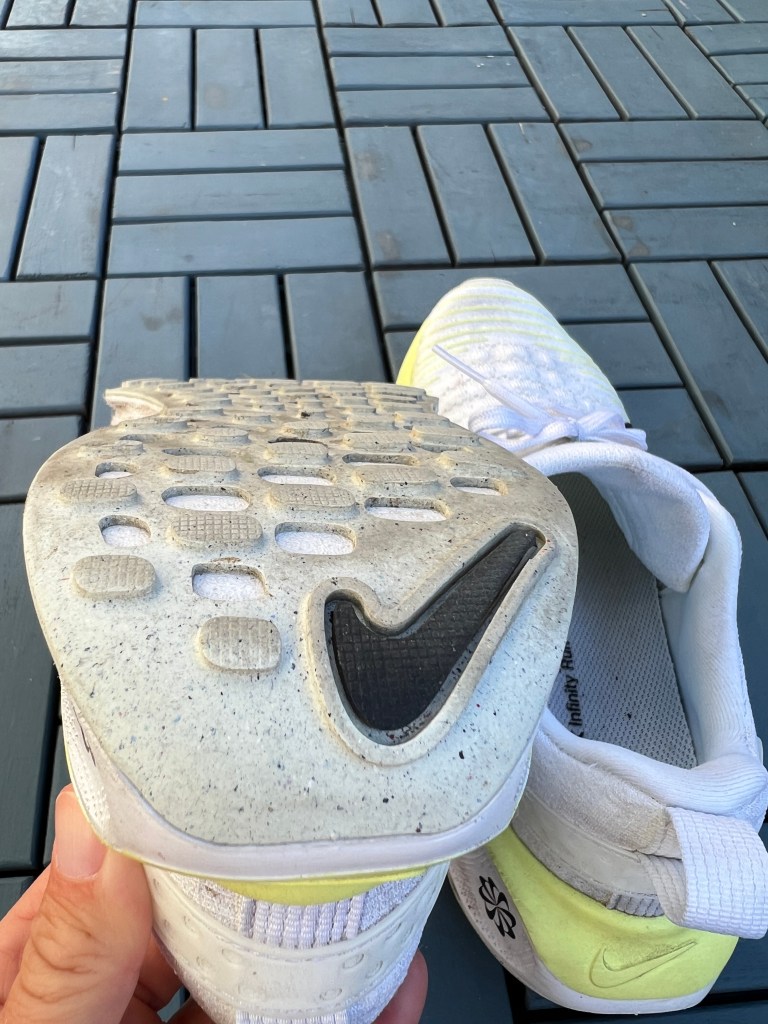
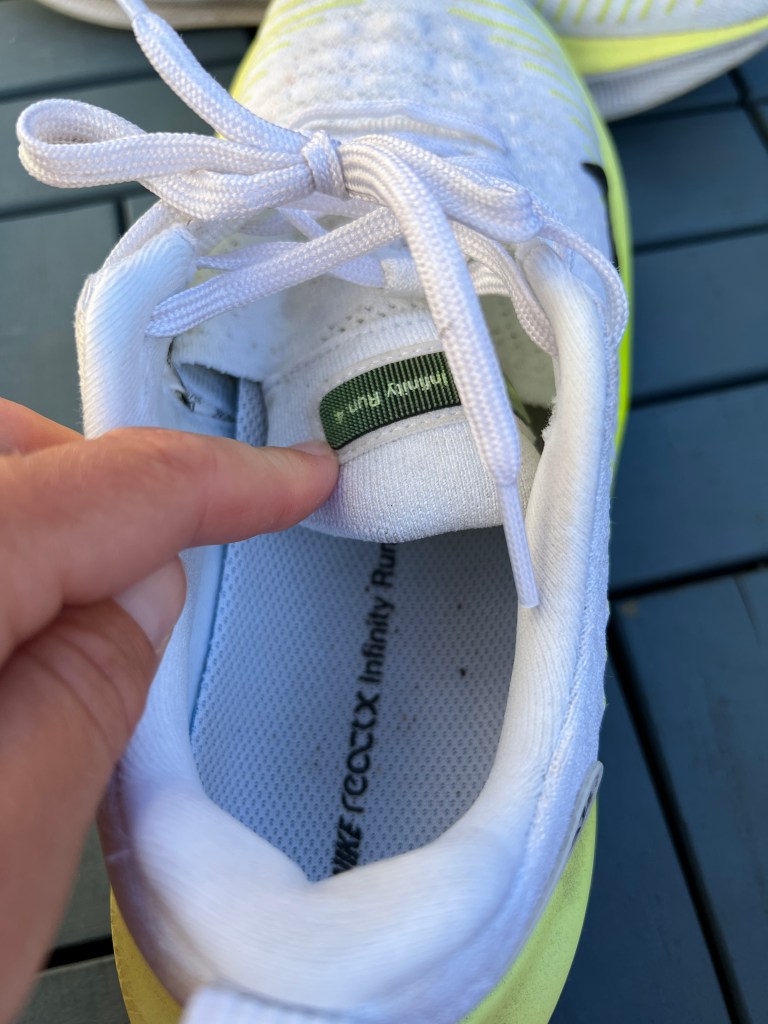
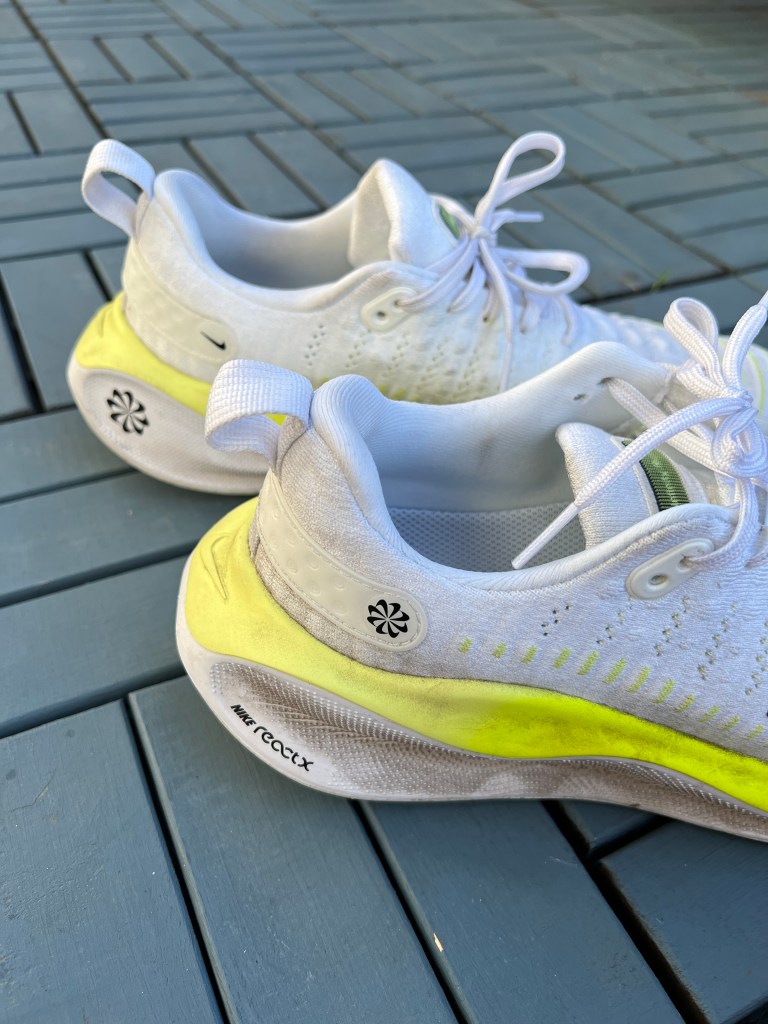
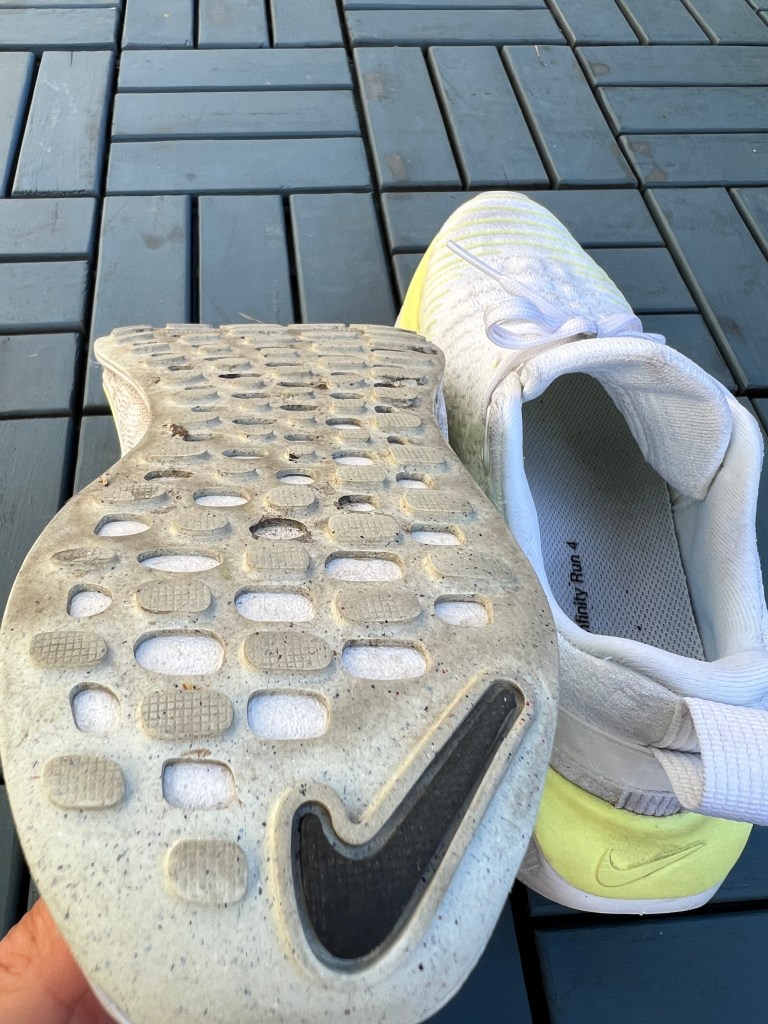

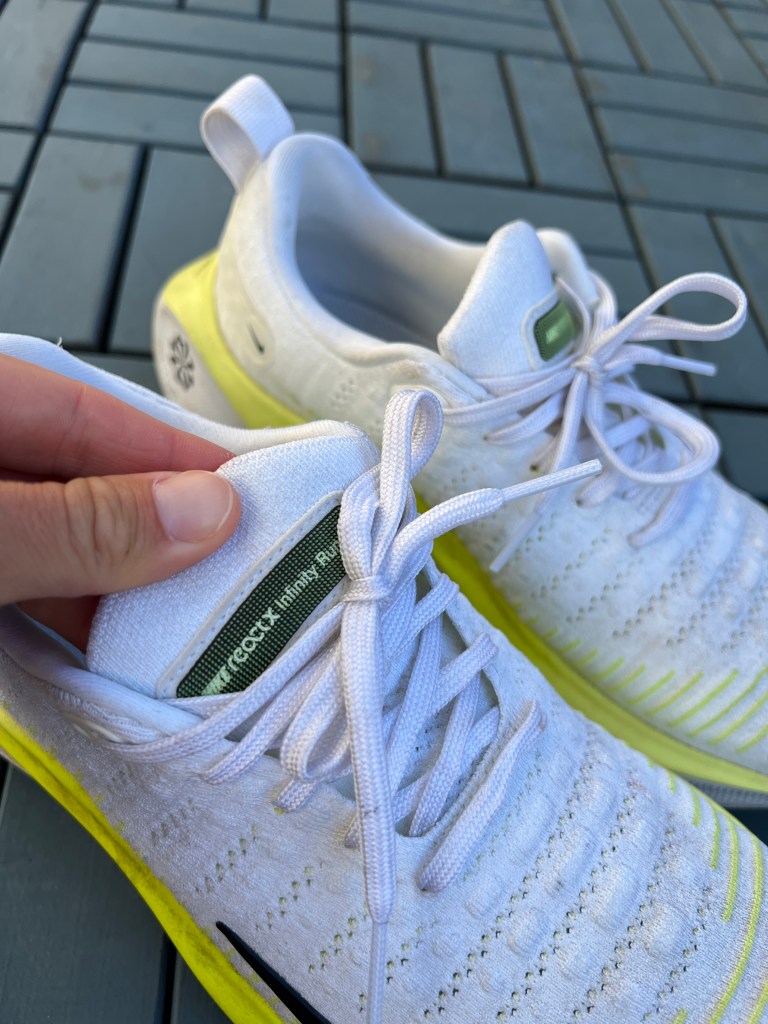
It’s also worth noting, as many have mentioned, that previous models had a plastic cup/heel arch that wasn’t pressed as firmly against the arch and was made of a slightly more flexible material. While I have high arches, they flatten when I run. The rigid plastic digs into the middle of my arch, making these shoes particularly uncomfortable.
Seeing the Infinity 4’s drastic differences, including in shape, made me consider giving them a chance. The changed shape likely means a different fit as well.
Let’s delve into the internal details and technical aspects.
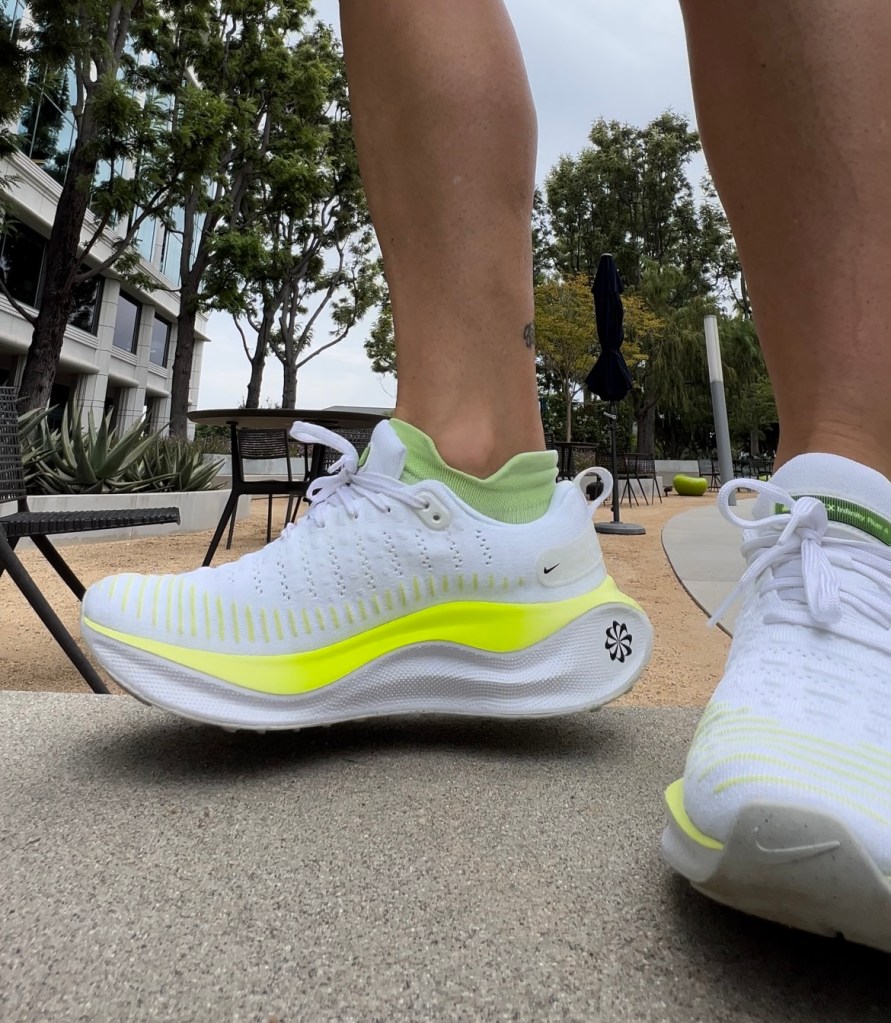
These shoes offer stability for those with overpronation, though not severely.
The foam is slightly softer, more comfortable, and more durable, but it has gained 28 g in weight (for mens size 9).
All components have undergone updates, including the introduction of a novel ReactX foam midsole. Differing from the prior React used in the Infinity and other Nike models, this iteration boasts a notably softer feel during running, a departure from my memory of any Nike shoe (with the exception, perhaps, of the more dynamically responsive Zoom X-powered Invincible 1 and 2). As per Nike’s specifications, it delivers an added 13% “energy return.” The midsole is crafted through direct injection, thereby diminishing its carbon footprint by 43%. Augmented cushioning beneath the foot contributes to a gentler and more pleasurable running sensation. ReactX foam imparts an exceedingly smooth experience. In relation to the foam, my overall impression is favorable; it exudes a soft and responsive quality.
The outsole and upper have undergone redesigns.
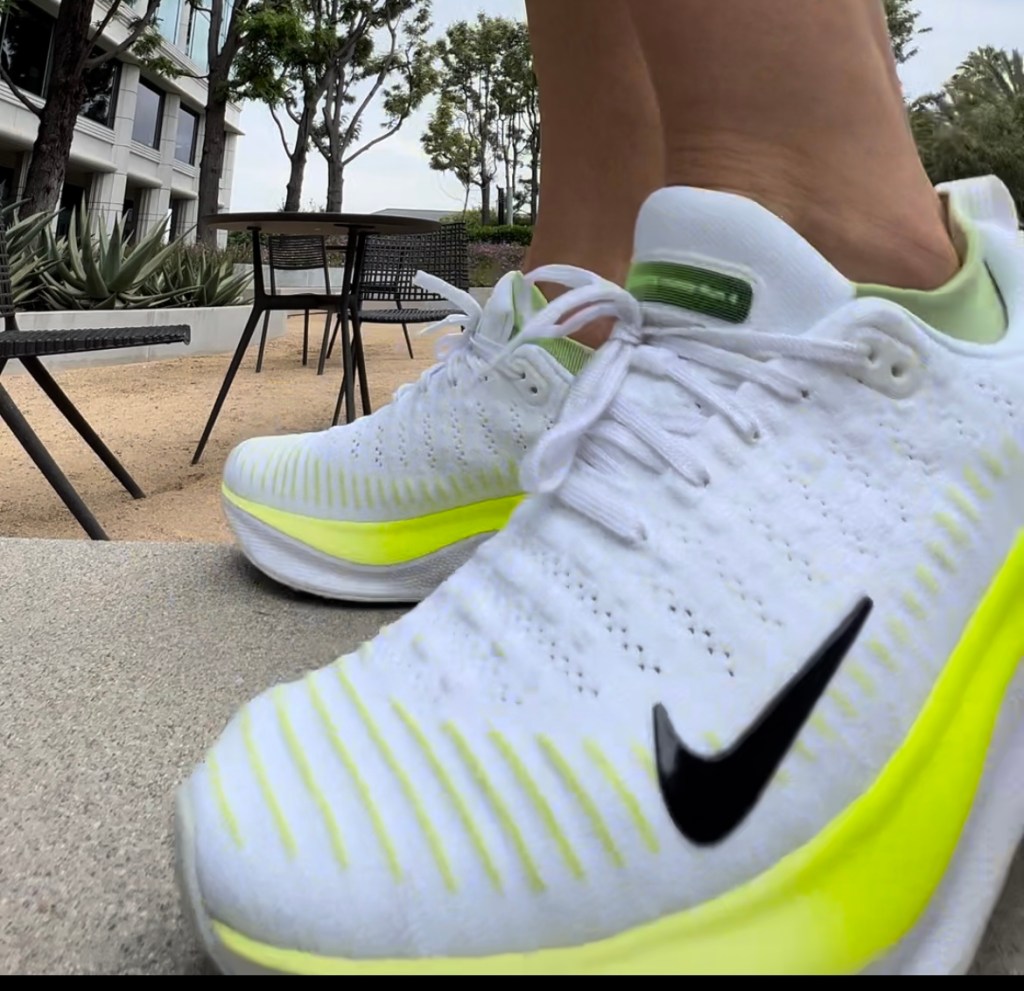
The Stretch Flyknit upper feels denser, and many claim it’s warmer. While I haven’t noticed this, I did observe it’s tighter. This could be behind sizing issues.
A new internal Flyknit fit band, similar to a rubber band around the middle of your foot, offers elastic and secure support.
There’s more rubber on the outsole for improved traction and durability. The shoe boasts a new waffle outsole, with added rubber for lasting traction and grip.
Heel: 39m
Forefoot: 30mm
Heel-to-Toe Drop: 9mm
Weight: 281g for women’s size 8 and 319 g for mens size 9.
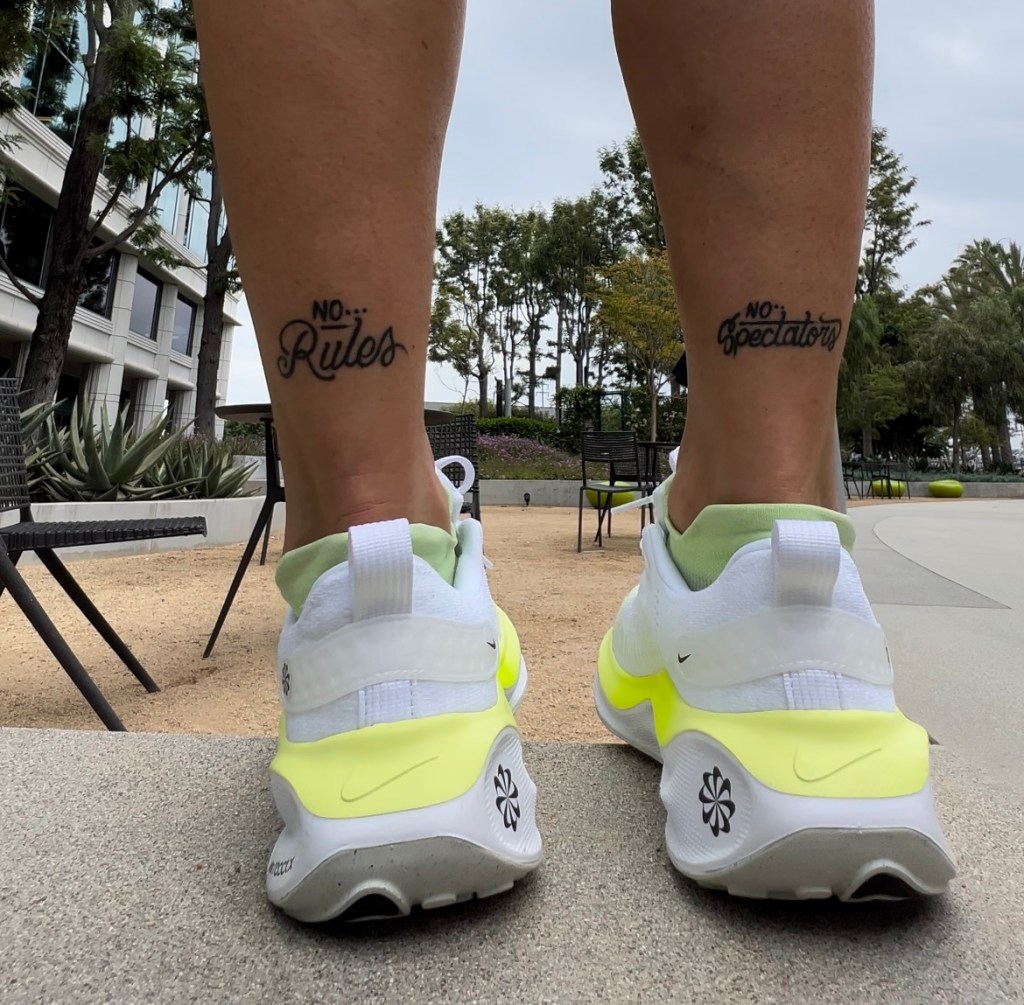
The fit is snug; it’s recommended to order a half-size up. For me, they are more reminiscent of the Invincible than the Infinity, but unlike the Invincible, they offer better heel support and are not as bouncy. Now, let’s go through everything step by step.
Following the recommendations, I went for a half-size larger, and they fit perfectly. It’s difficult to determine the size, as many people go one size up, and some even go up by a whole size. I think it’s important to pay attention to two aspects: how high your arch is, as they might feel tight for those with arches higher than the standard, and how much room you’re accustomed to having in the front. I always wear size 7.5 in Nike and my Hoka size is always half a size smaller than Nike. So, my size falls between 7 and 7.5, but for this model, I wear size 8.
As soon as I tried them on, my first impression was that they were pressing heavily on my instep area. I tried to adjust the soft tongue, which has a lot of fabric at the top, but it seemed (but in reality just felt) to be stuck and was putting pressure on the arch. In reality, the tongue does not have anything to do with the pressure, same as the laces. This only happened with one foot. I laced them up as loose as possible, but the pressure didn’t subside. So, I went for a run in the shoes with the laces almost completely undone.
I must say that the pressure isn’t as bad when you’re running. It’s most noticeable when you’re standing. Today, I decided to lace them up tighter around the top, and it was quite comfortable overall. What worries me the most is that the heel won’t have reliable support if I’m not able to lace them up properly, and the strain on the Achilles will return.
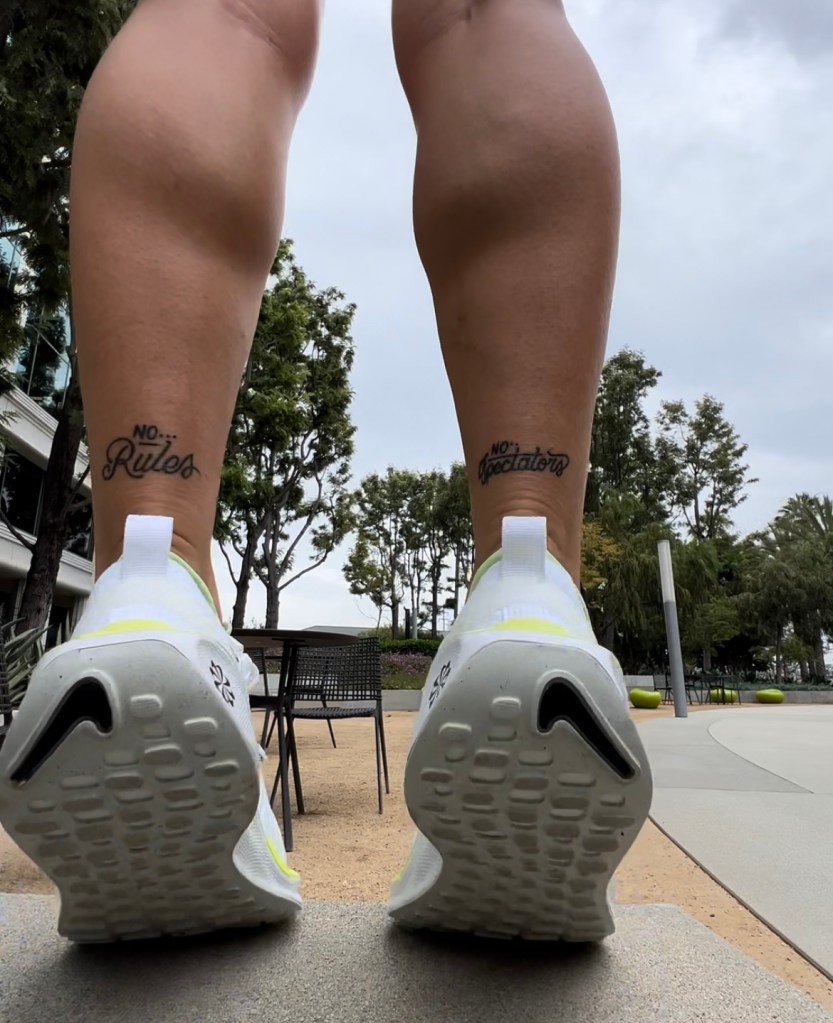
Now, let’s talk about how they perform while running:
Apart from lacing and the fit around the foot, I really like the fit inside. These shoes are much more stable than, for example, the Invincible. Running in them feels more smooth, firm, stable, and not plush; they’re not as soft, so the foot doesn’t sink and wobble as much as in Invincible. They are adequately springy, responsive, and balanced. I really enjoy using them for light recovery runs and how my feet feel afterward. This is for sure recovery and easy runs shoes. I run in them 5 minutes per kilometer and I do not think I could run in them faster, without making a lot of effort with my body.
The upper gradually stretches and causes less pressure. However, I’d prefer the area where the tongue is and where the shoes tighten around the foot to be designed differently in the ankle area.
In summary, I think the foam is excellent; it’s not as soft as Zoom X or as firm as React.
I believe we’ll see the new Pegasus with this foam, and I hope without the air pockets. Overall, I like the fit for my foot; the fit around the lacing area isn’t perfect, but the heel support is good, even when the shoes aren’t laced tightly.

 Live an Active Lifestyle