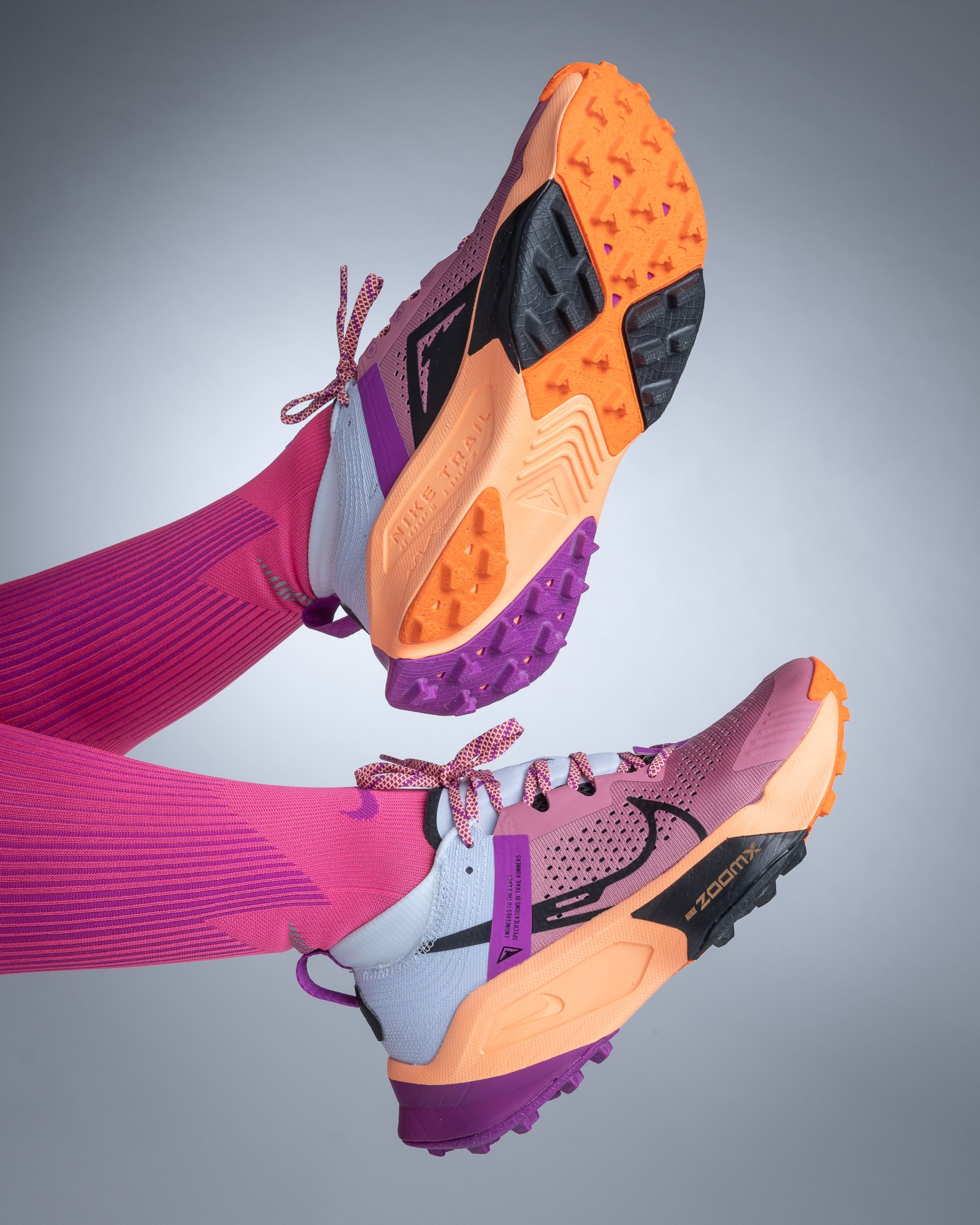
Nike ZoomX Zegama reviews from Anna and Vasily
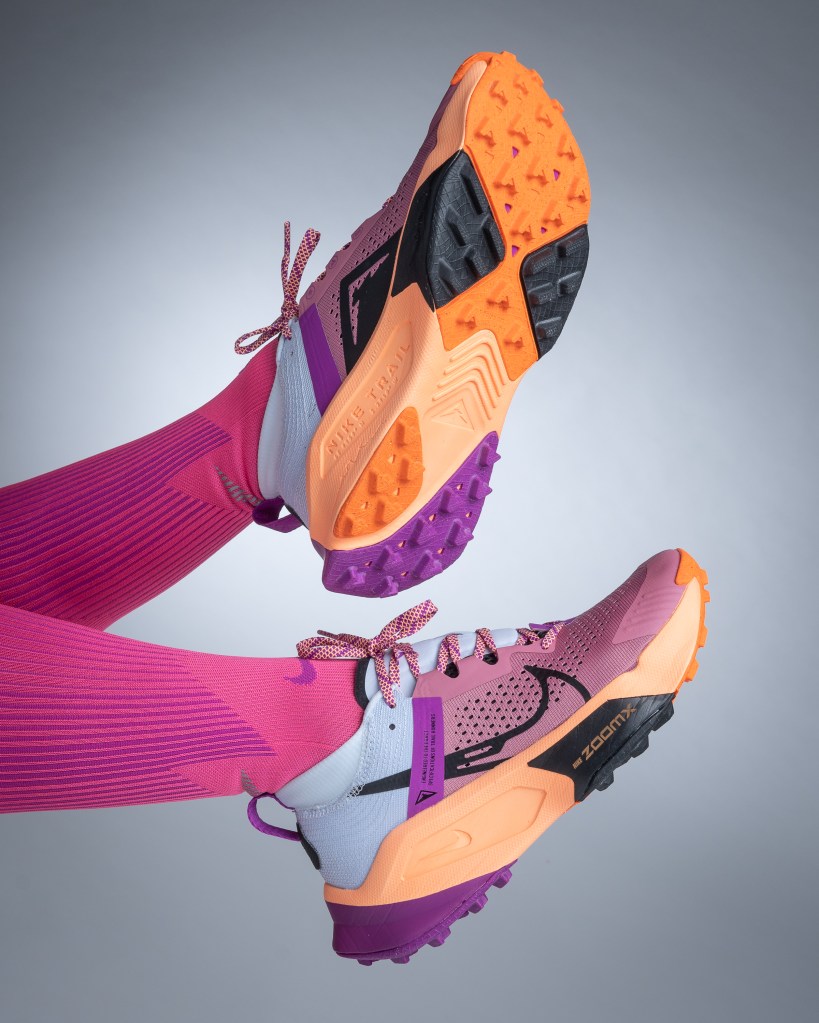
A new release from Nike is always very exciting, and I look forward to this moment. Obviously, Nike has been focusing heavily on trail running in recent years. We’re expecting a trail shoe with a carbon plate soon; hopefully, this experiment will be better than The North Face. In the meantime, new Nike ZoomX Zegama have appeared in the line.
First, about the technical specifications
Weight men’s size 9.5 weighs 290 grams/10.22oz
37mm heel height and 4mm drop
What’s inside:
Full-length ZoomX midsole. A lightweight Nike ZoomX midsole combines with increased stack heights to help provide cushioning during extended stretches of running.
Light and breakable upper mesh. Engineered mesh is stronger and more flexible than regular mesh on the upper and internal heel, helping provide stability for various trail conditions and breathability.
Full-length Lugged Outsole with a multidirectional pattern delivers traction and durability with 4mm depth lugs.
With this shoe, Nike wants to appeal to the Hoka brand’s audience, those who love soft, comfortable trail shoes, and I think the audience will follow. The Hoka has one obvious downside, and that is the quality; the shoes fall apart faster than they should. Despite this, many people choose them; here I would say two main factors are important: good marketing and athletes, as well as the comfort associated with the Hoka brand. If you are a beginner trail runner, you will not immediately run something hard and aggressive.
So Nike ZoomX Zegama clearly began to compete in the trail market for those just starting to run. Nike knows how to make shoes, and if they slip up occasionally, they fix it quickly, so you can expect the new Nike ZoomX Zegama to be a quality running shoe that has been tested many times before hitting store shelves.

To date, I have run them twice: 6 kilometers through the Santa Monica Mountains, on a rather steep and technical section, and a 50 kilometers race in Mammoth Lakes, where there was a very diverse coverage and technicality of the route.
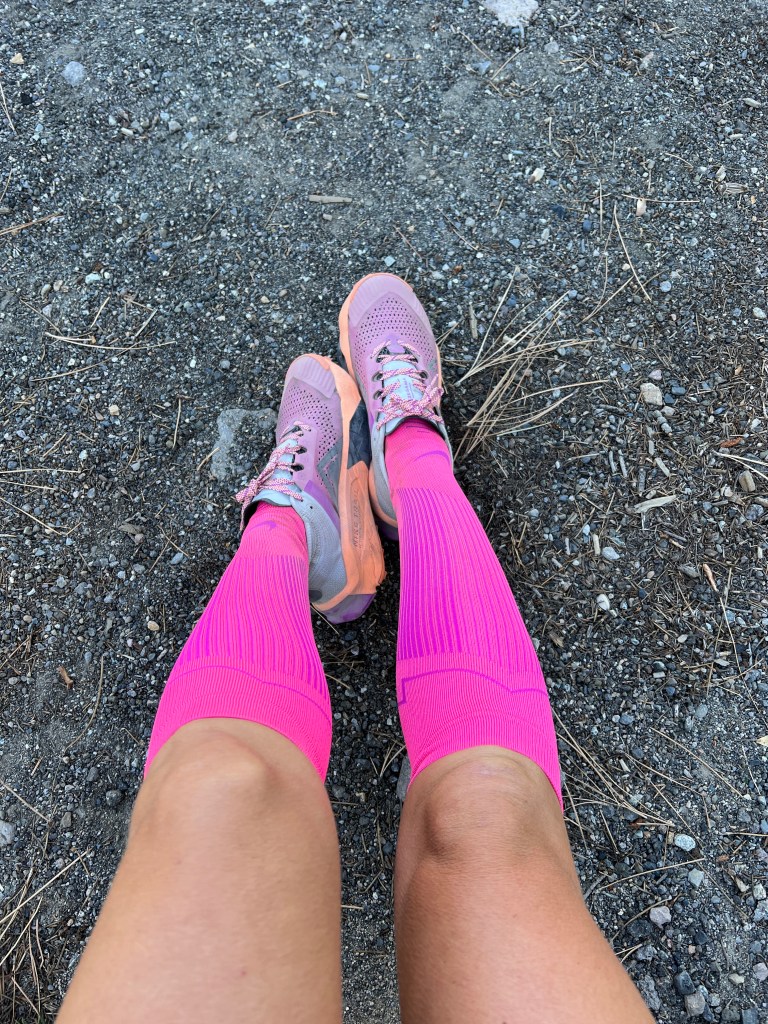
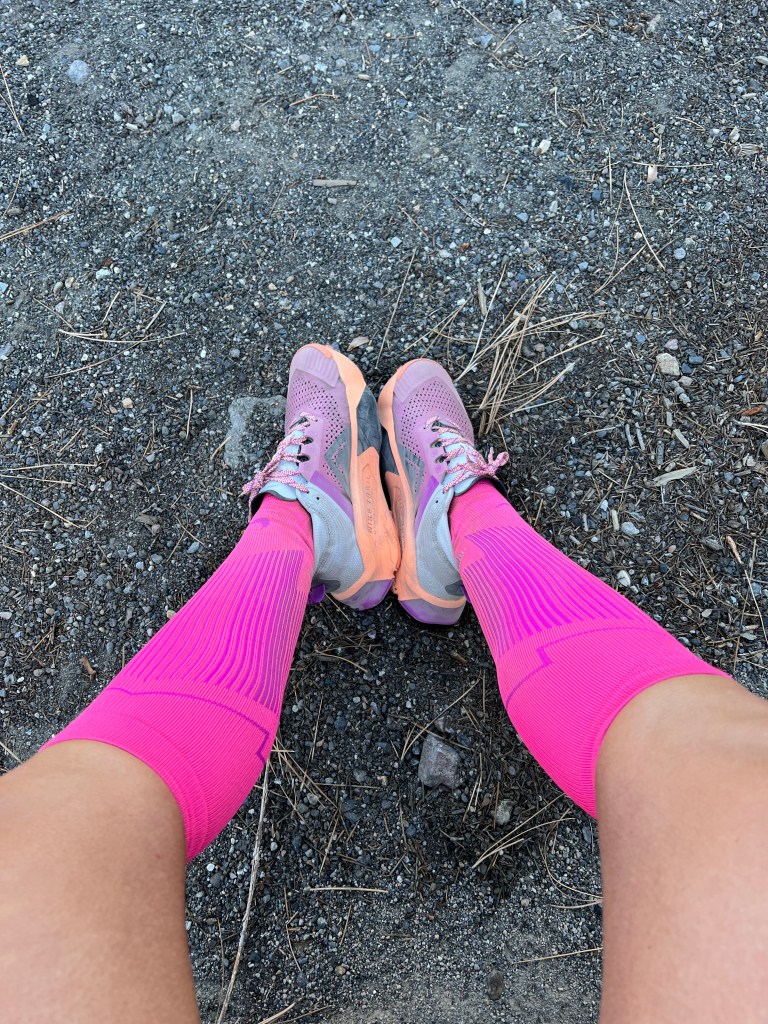

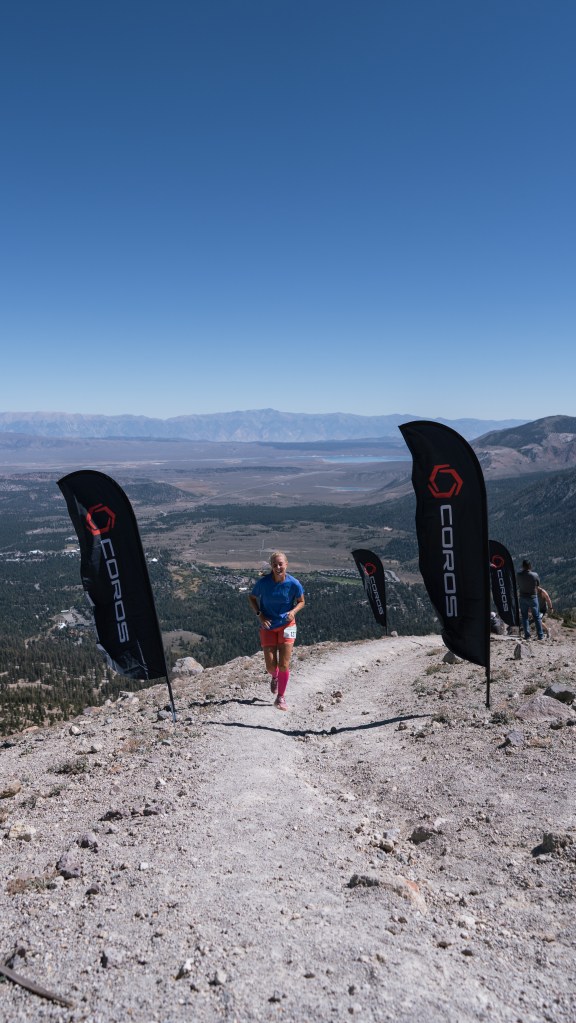

Do I like them? I can say that yes, it seems to me that this model is really missing on the market, especially in the Nike lineup. Looking ahead, I will say that I did not like everything.
What do I like
The first is the sole, it is pretty soft, but you don’t get stuck in the foam very much, while you can quickly run up and down; support and shoes fix the feet well and reduce the likelihood of twisting the ankle.
The second is the upper; feet don’t feel hot in them, but I must say right away that dust gets inside very easily, the fit around the ankle is good, and in general, they do not protect badly from stones and sand inside, but not 100%. Mammoth is known for its sandy trails and trails with small rocks; during my run, a little bit got inside the shoe, but not critical, and I could run further.
I would say the construction of the sole, the foam used, the height, the softness, the lightness, the well-thought-out and constructed upper, the good heel fit are all positive things about Nike ZoomX Zegama.
What I do not like
Everything is fine with lacing except for the laces themselves; why are they so short?
The second minus was a surprise for me. I always considered my foot to be wide, apparently, I was mistaken; otherwise, I cannot yet explain what I will describe next.
Nike ZoomX Zegama has a wide forefoot and plenty of toe room, while the shoe’s design is such that after the wide forefoot and free toe room, the shoe is perfectly shaped and snug around the ankle. So, I noticed that my forefoot dangles in the shoe, creating unnecessary movement and leading to chafing and stuffing of toenails. Other than the fact that I have a narrow foot, I can’t explain it in any way. In fact, this is a big plus of the shoe, that there is a lot of space for the toes in the front.
The following negative that I found is the sole. In general, for most trails and weather conditions, this rubber on the outsole will do the job, but if you run a route with wet rocks or in the forest where there are wet tree roots or just wet mud, you should not rely on this rubber.
All in all, these shoes can be great trail companions for most people: light, soft but not too plush, stable, good fit around the ankle, well balanced, and lots of toe room which is essential for many.
When choosing sneakers for your needs, you must focus not only on your level but how much time you spend running in them and also on the fact that you are running. One thing is good for sandy surfaces, another for technical ones; the soil forgives everything, but not mud. So it is crucial how steep or not steep downhills. What is the weather and so on.
In conclusion, I would say that Nike ZoomX Zegama is suitable for those who just started their journey in trail running, for races over 60 kilometers, and for people who are looking for stability and comfort. They are suitable for different surfaces and even for pretty technical trails but not for rainy or wet weather. If you’re an experienced runner and you’re planning on running something fast and technical, then maybe something a little harder would be a better choice.
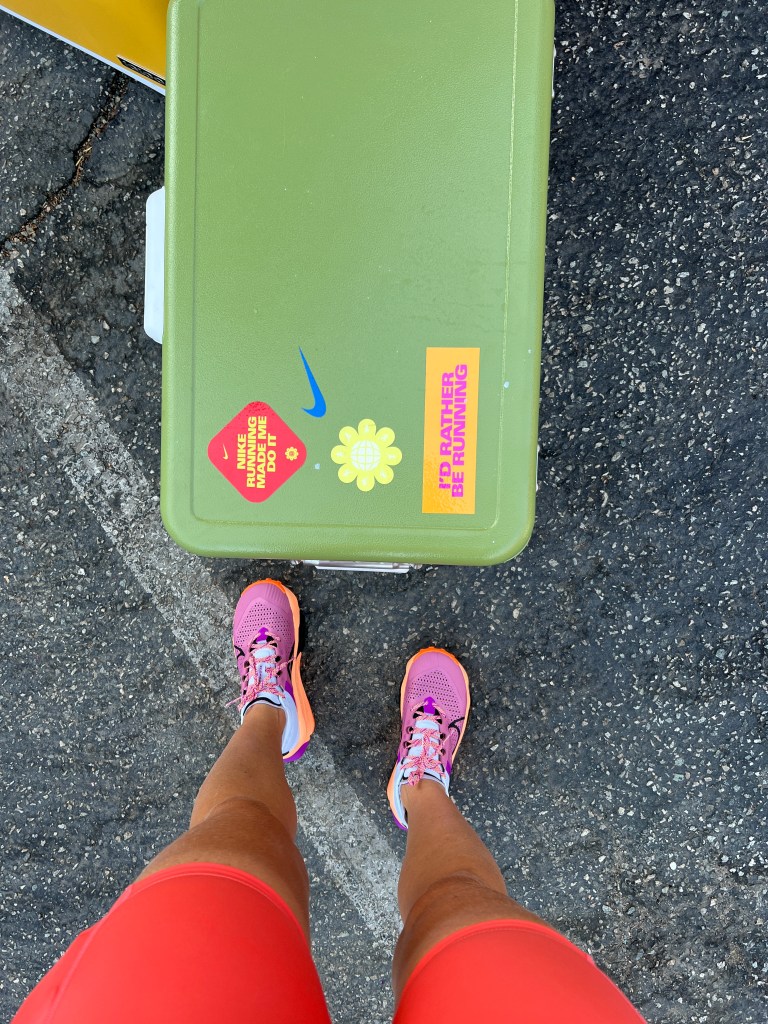
In my review I want include one more review from Vasily . I think this is very helpful to see different points of view.

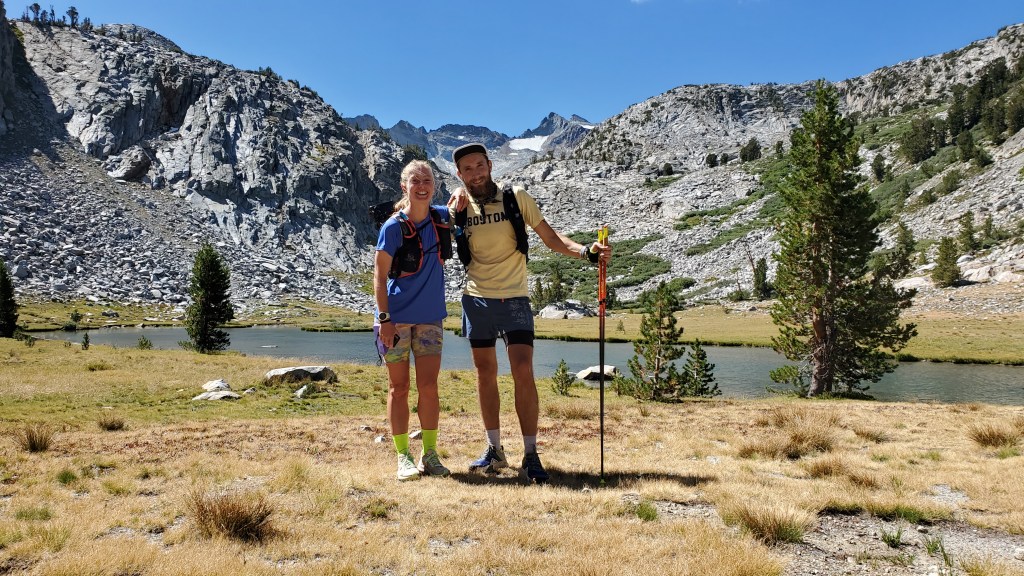
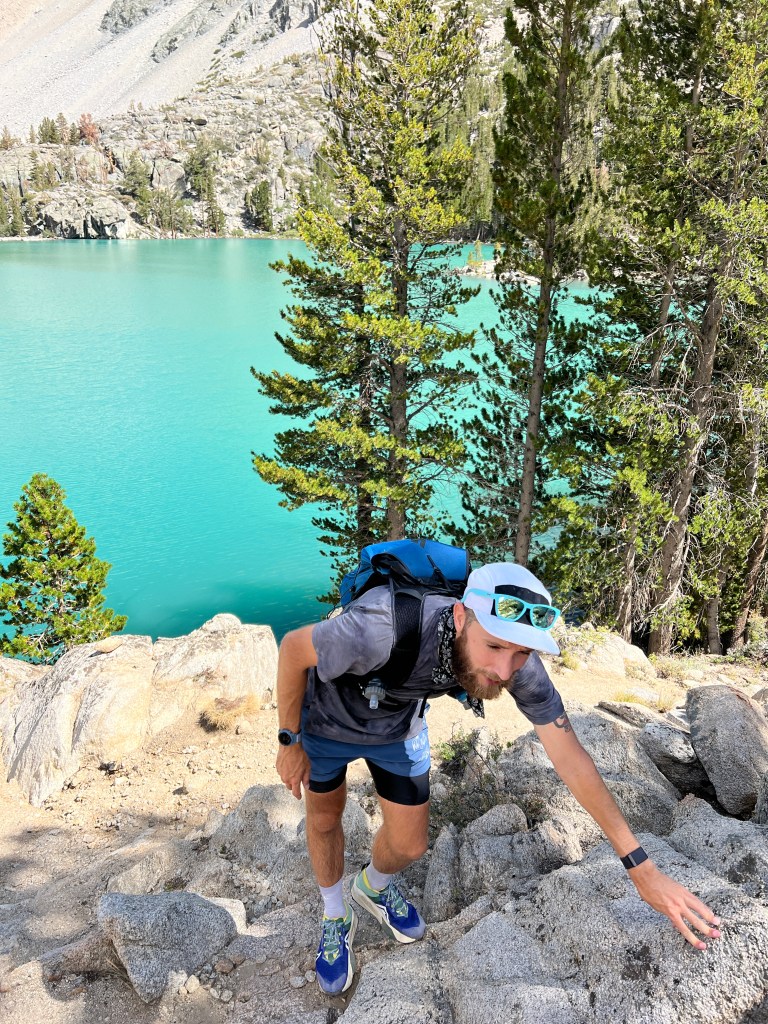
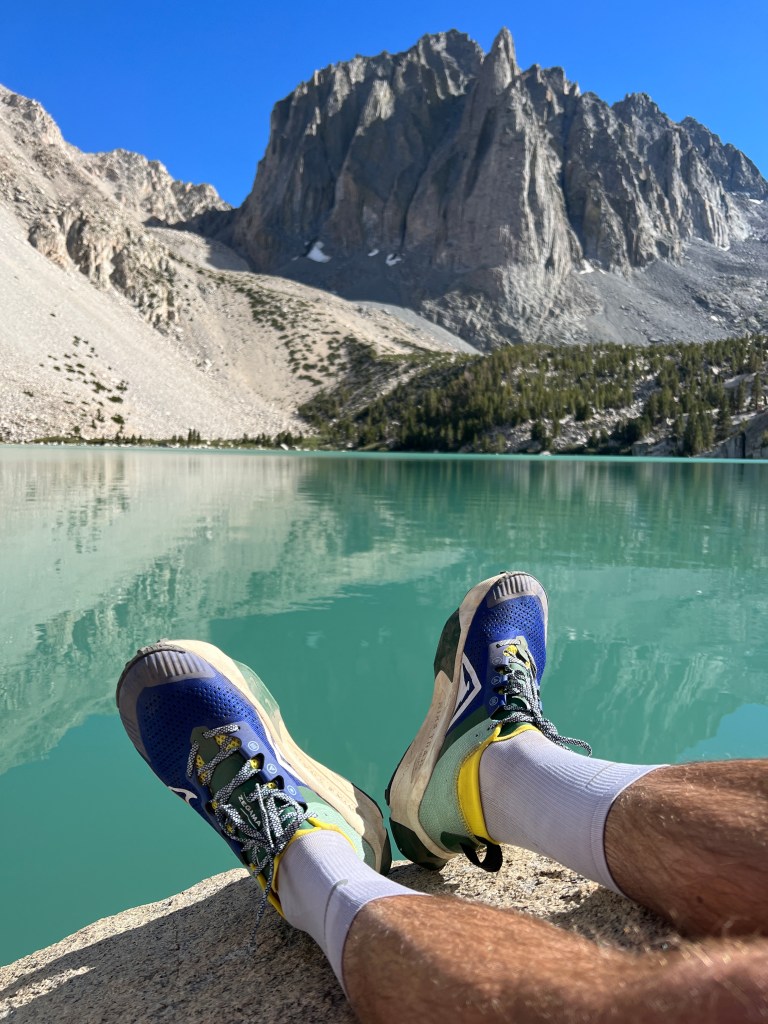
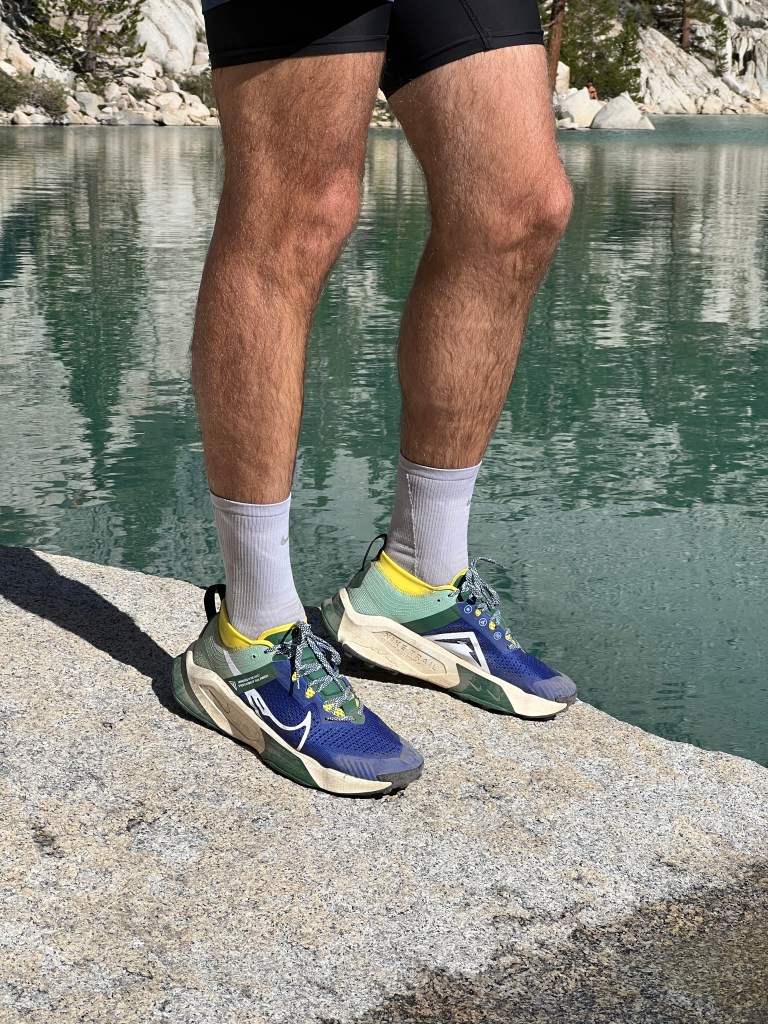
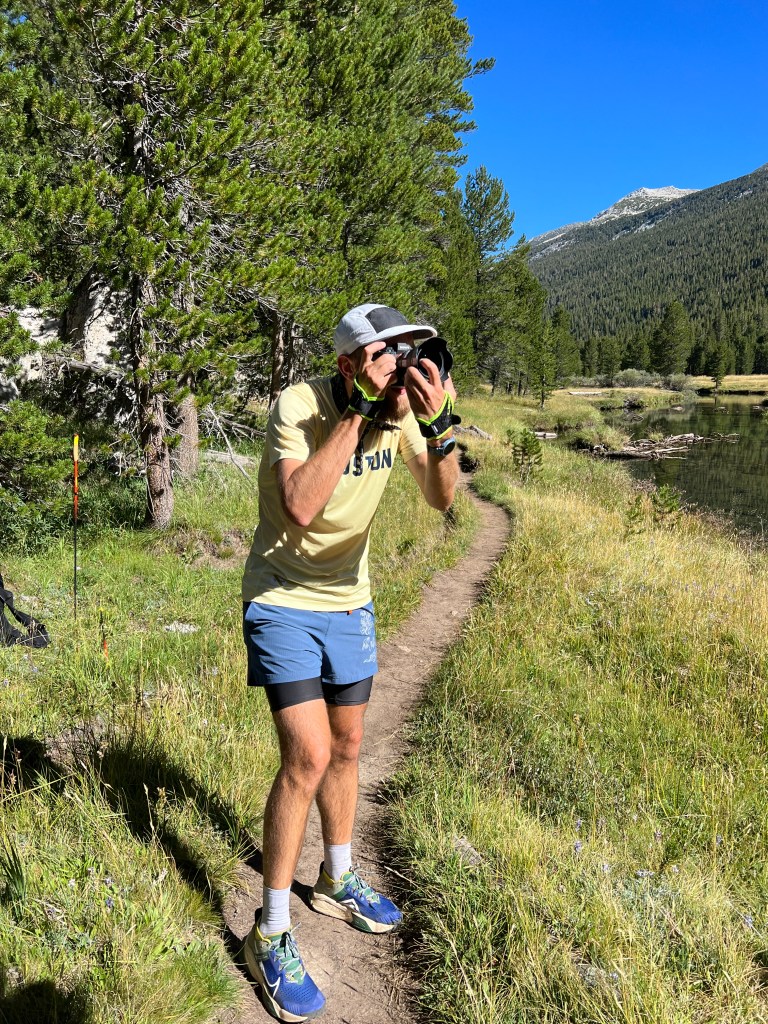
Let’s talk about the new Nike ZoomX Zegama. I’ve been running a lot in these shoes for the past month and couldn’t love them more. Previously Terra Kiger was my all-time favorite shoe, but Nike ZoomX Zegama is evidently better for me.
What I ran in them to the date
I bought a pair right before going to High Sierras.
On the first try in them, I ran about 14 miles with 4000 elevation gain in beautiful mountains close to Big Pine in California and it wasn’t fast.
Second run was a climb on the Dragon’s back to the top of Mammoth Mountain. Also, I had a downhill run day with them in Mammoth next day after Dragon’s back ; it was not thenical downhill but a steep and sandy one.
Finally, we did an incredible run from Yosemite to Mammoth, which was more than 26 miles with 5000 elevation gain and took almost 8 hours. The shoe worked all these adventures perfectly. I didn’t have a bad feeling wearing it again, and again after the hard days, the shoe stayed comfy.
Nike ZoomX Zegama is a soft trail shoe with a high stack of ZoomX foam inside. This foam was initially used in road runners’ shoes, like Vaporfly or Alphafly Next%, and now found its way on trails. Nike ZoomX Zegama provides excellent responsive cushioning that pushes you forward instead of being plushy and heavy. It protects joints on longer runs and absorbs a lot of shock on the downhills. At the same time, you can feel how the shoe bounces back every time it touches the ground.
Although Nike ZoomX Zegama has a high stack of foam, it surprisingly stays stable on a trail. It’s a wide shoe, so runners who tend to overpronate can definitely benefit from it. The laces system also contributes to shoe stability and provides a snug fit without overtightening the shoe. The shoe has fantastic protection in the front. I always trip a lot, but I’ve never hurt my toenails in Nike ZoomX Zegama. Even when I hit a pretty big boulder on a trail and thought it must be it, I felt nothing. I don’t know how Nike did it, but it’s fantastic. Finally, the ankle collar, which looks like a small built-in gaiter, is a nice touch and keeps off most debris and pebbles on a trail.
On the downside, due to a large amount of foam, the shoe is less flexible in the middle, which I noticed on steep and technical uphills — so running up may not be as comfortable and fast as it’s in Terra Kiger. Also, when you put the foot parallel to a steep slope or rock, it’s tough to maintain balance due to the high stack of the shoe. Finally, I’ve heard Zegama’s outsole rubber is not sticky enough, but I personally haven’t slipped once on dry or wet rocks.
In sum, I’m glad that Nike finally started to extend the trail shoe lineup, and Nike ZoomX Zegama is a perfect shoe for me – as a mid-pack average runner. It works excellently as an everyday trail shoe and on ultra-distances as well. Although Nike ZoomX Zegama provides great cushioning and protection, the shoe is highly responsive and doesn’t feel bulky or heavy. However, for shorter and faster technical races, I would still go with Terra Kiger to have a little more flexibility and better control over my steps. Also, I can’t wait to try out the top-tier Nike Ultrafly Trail coming as soon as spring 2023.
 Live an Active Lifestyle